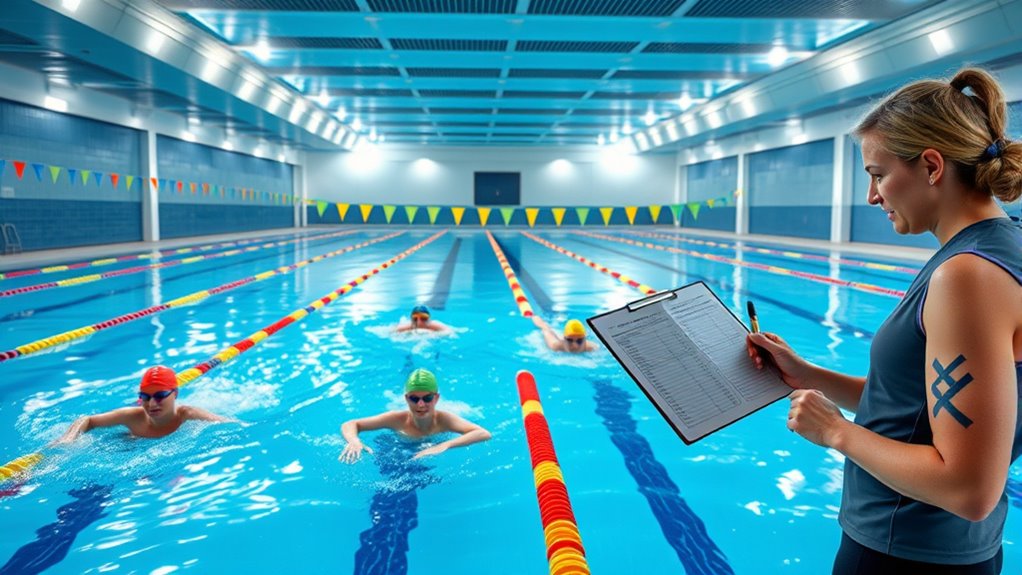

To improve as a lap swimmer, create a structured training plan that keeps you focused, tracks progress, and prevents plateaus. Prioritize good technique to swim efficiently and save energy. Stay consistent with your routines, gradually increasing intensity and volume for steady gains. Include rest, cross-training, and goal setting to stay motivated and prevent injury. If you keep exploring, you’ll discover essential tips to help you swim smarter and faster over time.
Key Takeaways
- Develop a structured plan that balances technique, endurance, and speed to ensure consistent progress.
- Incorporate varied workouts, including intervals and steady swims, to build stamina and prevent plateaus.
- Prioritize proper technique to maximize efficiency and reduce injury risk during training.
- Schedule regular recovery, cross-training, and goal setting to maintain motivation and support long-term improvement.
- Track progress and adjust the plan gradually to increase intensity and volume safely over time.

Whether you’re aiming to improve your lap times or build endurance, having a structured training plan is essential. A good plan helps you stay focused, track progress, and avoid plateaus. One of the key components of an effective training plan is prioritizing your swimming technique. When your technique is efficient, you use less energy and move more smoothly through the water. Focus on maintaining a streamlined body position, proper arm and leg movements, and consistent breathing patterns. Regularly reviewing and refining your technique ensures that every lap counts, making your workouts more productive and reducing fatigue.
Prioritize technique to swim efficiently, conserve energy, and reduce fatigue for better performance.
Workout consistency plays a crucial role in achieving your swimming goals. By sticking to a regular schedule, you reinforce good habits and see steady improvements over time. Whether you swim three times a week or five, consistency builds muscle memory and enhances endurance. Don’t skip sessions or allow lapses to become habit; instead, set a realistic schedule that fits your lifestyle and commit to it. Even if some days feel less productive, showing up and maintaining your routine can make a significant difference in the long run.
To maximize your progress, gradually increase the intensity and volume of your workouts. For example, incorporate interval training—short bursts of fast swimming followed by rest—to boost both speed and stamina. Pair this with steady, longer swims to build a strong aerobic base. Remember, your body adapts best when you challenge it incrementally, so avoid drastic jumps in workload that could lead to injury or burnout.
In addition, paying attention to your recovery is essential. Adequate rest allows your muscles to repair and adapt, ensuring that you can maintain consistency in your training. Incorporate stretching, hydration, and proper nutrition into your routine to support your training efforts. Also, consider cross-training activities like strength training or flexibility exercises to complement your swimming and prevent imbalances.
Finally, stay motivated by setting specific, measurable goals. Whether it’s shaving seconds off your lap time or swimming a certain number of miles weekly, clear goals give your training purpose. Track your progress and celebrate small victories, which keep you committed and focused. Remember, a well-rounded, disciplined approach that emphasizes technique, consistency, and gradual progression will lead to noticeable improvements in your swimming performance.

Sporti Power Swim Paddles – Swimming Training Hand Paddles – Adjustable Straps – Lap Swimming Gear (Medium, Black)
𝗘𝗡𝗛𝗔𝗡𝗖𝗘 𝗬𝗢𝗨𝗥 𝗦𝗪𝗜𝗠 𝗧𝗥𝗔𝗜𝗡𝗜𝗡𝗚: Perfect for lap swimming, these Sporti Swim Paddles are specially designed for adults, both…
As an affiliate, we earn on qualifying purchases.
As an affiliate, we earn on qualifying purchases.
Frequently Asked Questions
How Should Beginners Start Their Lap Swimming Training?
You should start your lap swimming journey by focusing on breathing techniques to build comfort and efficiency in the water. Begin with simple drills, maintaining steady, rhythmic breathing to improve your stroke. Concentrate on slow, controlled movements to enhance stroke improvement gradually. As you progress, incorporate more distance and interval training, always emphasizing proper breathing and technique, which will boost your confidence and help you swim more effectively.
What Equipment Is Essential for Lap Swimming?
You need essential swimming accessories and training gear to get started. A good pair of goggles keeps water out of your eyes, while a swim cap reduces resistance and protects your hair. Consider using a kickboard and pull buoy to focus on specific strokes and build strength. These pieces of equipment are crucial for effective training, helping you improve technique and endurance while making your laps more comfortable and enjoyable.
How Can I Prevent Injuries During Training?
To prevent injuries during training, focus on proper technique and listen to your body. Incorporate swimming nutrition by fueling adequately before and after sessions to support recovery. Cross-train with strength exercises to strengthen muscles and reduce strain. If you get injured, prioritize injury rehabilitation with rest, stretching, and professional guidance. Staying consistent with these practices helps you avoid overuse injuries and keeps your swimming progress steady and safe.
What Is the Ideal Rest Period Between Sets?
You should rest for about 15 to 30 seconds between sets, depending on your swim pace and intensity. During this time, focus on breathing techniques to recover and maintain your form. If you’re swimming faster or pushing harder, extend your rest slightly to prevent fatigue. Proper rest helps you stay consistent and reduces injury risk, ensuring you can perform at your best in each set while keeping your breathing controlled.
How Do I Track and Measure My Progress Effectively?
Think of tracking progress like checking your lap time during a race. You can log your lap times and stroke counts regularly to see improvements. Use a waterproof watch or a swim app to record each session. Over time, you’ll notice faster lap times and more efficient strokes, like tuning an engine. Consistently measuring helps you adjust your training, ensuring you stay on course toward your swimming goals.

Swim Training Combo Set, Ergonomic Power Paddles (Large) and Pull Buoy – Stroke Refinement Tools for Technique, Strength, Endurance | Black/Blue
Integrated Resistance Training Set: Boost upper body strength and improve stroke technique with this dynamic training duo—Sporti Power…
As an affiliate, we earn on qualifying purchases.
As an affiliate, we earn on qualifying purchases.
Conclusion
Whether you’re aiming to improve your speed or just enjoy swimming more, a solid training plan keeps you motivated. Imagine Sarah, a beginner who stuck to her routine and watched her confidence grow with every lap. With consistency and dedication, you’ll see progress too. Remember, every stroke brings you closer to your goals. Keep pushing, stay committed, and celebrate your achievements—each swim is a step toward becoming the swimmer you’ve always wanted to be.
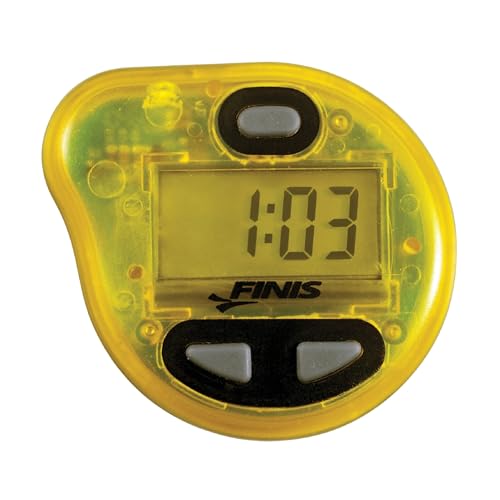
FINIS Tempo Trainer Pro – Waterproof Audible Swim Metronome – Adjustable Stroke Tempo – 3 Training Modes
Swimming Metronome Pace Device: The FINIS Tempo Trainer Pro fits snugly beneath your swim cap and transmits an…
As an affiliate, we earn on qualifying purchases.
As an affiliate, we earn on qualifying purchases.
swimming recovery and stretching accessories
As an affiliate, we earn on qualifying purchases.
As an affiliate, we earn on qualifying purchases.

Born in Dubai to Pakistani parents, Aisha deeply understands Middle Eastern and South Asian luxury markets. She excels in forging strategic partnerships with top-tier luxury brands worldwide, fostering cross-cultural collaborations that enhance our global presence.