
If your Endless Pool water is cloudy, start by checking your water chemistry—ensure pH, alkalinity, and calcium hardness are within ideal ranges. Clean or replace your filter regularly and make sure your pump runs enough to keep water circulated. Maintain proper sanitizer levels, and remove debris promptly to prevent buildup. Consistent maintenance and balancing your chemicals will keep your water clear—continue exploring tips to troubleshoot and fix common water quality issues effectively.
Key Takeaways
- Regularly test and adjust water chemistry, including pH, alkalinity, and sanitizer levels, to prevent cloudiness.
- Clean and replace filters frequently to ensure proper debris removal and water clarity.
- Maintain consistent water circulation with adequate pump operation and return jets.
- Remove organic debris daily through skimming and weekly via vacuuming to avoid buildup.
- Use algaecides proactively and perform routine water changes to prevent contamination and haze.
Endless Pool water test strips
As an affiliate, we earn on qualifying purchases.
As an affiliate, we earn on qualifying purchases.
Understanding the Causes of Cloudy Water in Endless Pools
Cloudy water in your Endless Pool often results from imbalances in water chemistry or the buildup of contaminants. When chlorine levels are too low, bacteria and algae can thrive, turning the water cloudy. Excess organic matter, like leaves, sweat, or oils, also contribute by providing nutrients for algae growth. Additionally, improper filtration or dirty filters can fail to remove particles effectively, leading to cloudiness. High levels of dissolved solids, such as calcium or minerals, can cause the water to appear hazy. Overuse of certain chemicals or infrequent water changes can further disrupt water balance. Identifying these causes helps you target the problem directly, ensuring your pool stays clear and inviting. Understanding what triggers cloudiness is the first step toward maintaining ideal water clarity. Understanding water chemistry is essential for diagnosing and resolving persistent issues.
Pool filter replacement cartridge
As an affiliate, we earn on qualifying purchases.
As an affiliate, we earn on qualifying purchases.
Checking and Balancing Ph, Alkalinity, and Calcium Hardness

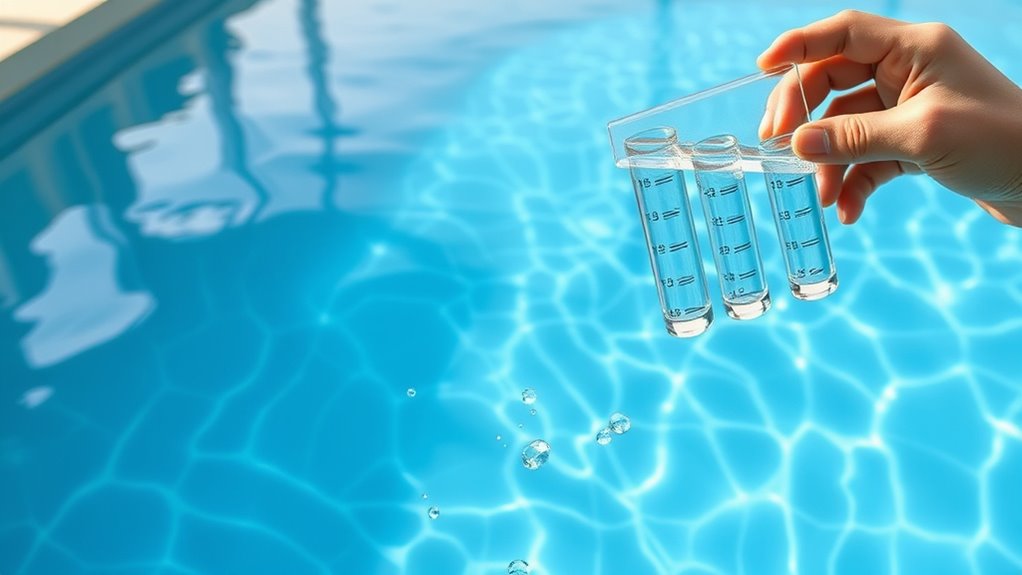
To keep your Endless Pool’s water clear, it’s essential to regularly check and balance the pH, alkalinity, and calcium hardness levels. Use test strips or a liquid kit to measure these parameters accurately. The ideal pH range is between 7.2 and 7.6; if it’s outside this, add pH increaser or decreaser accordingly. Alkalinity should be between 80 and 120 ppm to stabilize pH levels; adjust with alkalinity increaser if needed. Calcium hardness should be maintained between 150 and 250 ppm to prevent scaling or corrosion. Test the water weekly and make small adjustments gradually. Properly balanced levels prevent cloudiness, scale buildup, and equipment damage, ensuring your pool stays clear and inviting. Regular testing keeps your water chemistry stable and your pool maintenance simple. Maintaining optimal water chemistry also helps prevent issues like cloudy water and prolongs the lifespan of your pool’s equipment.
Pool pH and alkalinity test kit
As an affiliate, we earn on qualifying purchases.
As an affiliate, we earn on qualifying purchases.
Ensuring Proper Filtration and Circulation
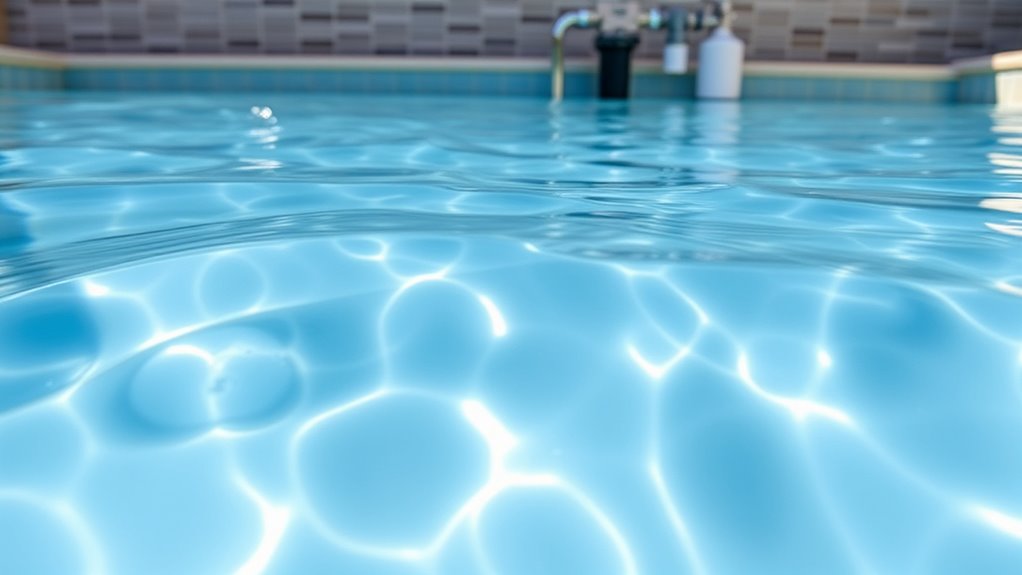
Maintaining proper filtration and circulation is key to keeping your Endless Pool’s water clean and inviting. Regularly check your filter’s condition and clean or replace it as needed to prevent debris buildup. Proper circulation ensures water moves evenly, reducing stagnation and cloudiness. Use a timer to run your pump long enough each day—typically 8 to 12 hours—depending on usage. Consider installing additional return jets if circulation feels weak. To keep your pool clear, monitor flow rates and ensure your filter media is appropriate for your pool size. Effective water movement also plays a crucial role in preventing algae growth and maintaining overall water quality.
Automatic pool water circulation pump
As an affiliate, we earn on qualifying purchases.
As an affiliate, we earn on qualifying purchases.
Managing Chlorine and Sanitizer Levels Effectively
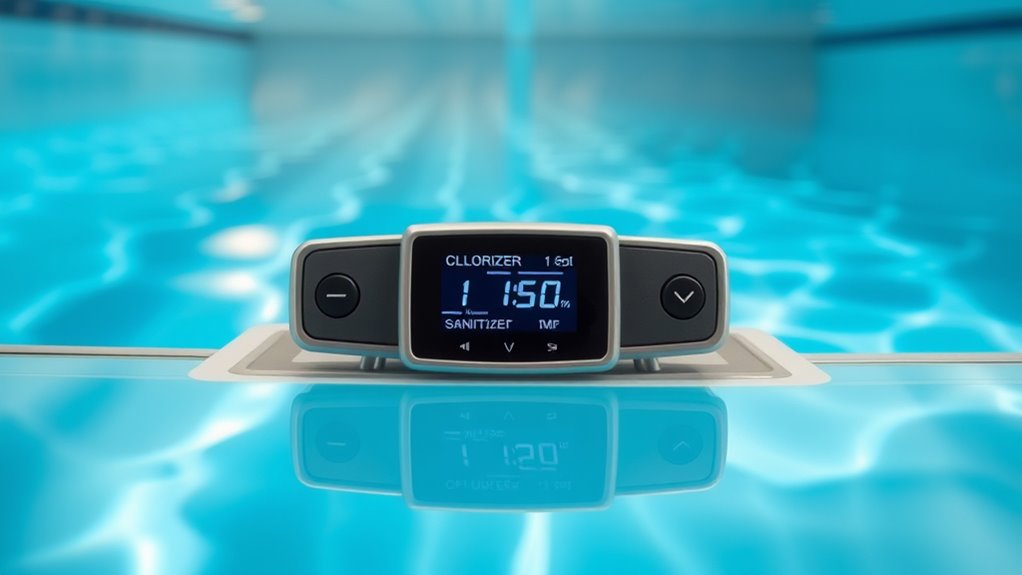
Properly managing your pool’s chlorine and sanitizer levels is essential for keeping the water safe and clear. You should regularly test your water using reliable test strips or a digital tester to monitor chlorine levels. Aim for a free chlorine level between 3-5 ppm, adjusting as needed to maintain this balance. If levels are too low, add sanitizer to prevent bacteria growth and algae. If they’re too high, allow the sanitizer to dissipate naturally or dilute the water with fresh supply. Consistency is key—check levels daily, especially during heavy use or hot weather. Always follow manufacturer instructions when adding chemicals, and avoid overshooting the target range. Using appropriate testing methods ensures accurate readings and better water quality management. Proper management guarantees your pool remains hygienic, clear, and safe for swimming.
Addressing Algae and Organic Contaminants
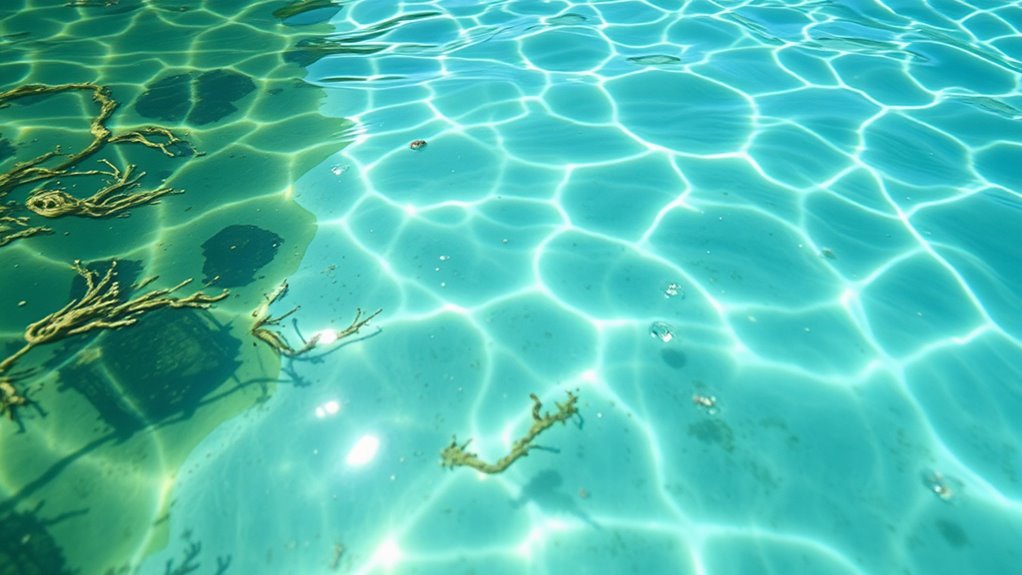
To keep algae and organic contaminants in check, you need to focus on preventing growth and removing debris promptly. Regularly monitor water balance to create an environment that discourages algae development. Addressing these issues quickly helps maintain clean, healthy water and reduces long-term problems. Using appropriate water testing tools can help detect imbalances early and ensure optimal water quality.
Preventing Algae Growth
Algae growth often begins when organic contaminants and excess nutrients create a fertile environment for it to thrive. To prevent this, focus on the following:
- Regularly test and balance your water’s pH and sanitizer levels to inhibit algae development.
- Keep the water circulating with proper filtration to prevent stagnant spots where algae can settle.
- Limit nutrient build-up by avoiding overfeeding or adding unnecessary organic materials.
- Use algaecides as a preventive measure, especially during warm months or periods of heavy use.
- Consider selecting dog names that reflect the water quality and environment of your pool area to foster a fun and personalized experience.
Removing Organic Debris
Have you noticed organic debris like leaves, twigs, or dirt accumulating in your water? Removing this debris is essential to keep your pool clean and prevent algae growth. Start by skimming the surface regularly with a net to catch floating debris before it sinks. Use a pool vacuum or brush to clean the bottom and sides, dislodging debris that can decay and cloud the water. Check and clean your skimmer and pump baskets often, ensuring proper filtration. Removing organic matter reduces nutrient build-up that promotes algae and bacteria. Additionally, consider installing a leaf trap or cover when the pool isn’t in use to minimize debris entry. Regular maintenance can also help prevent organic debris buildup and maintain water quality. Consistent removal of organic debris helps maintain water clarity and supports overall pool health.
Maintaining Water Balance
Maintaining proper water balance is essential for preventing algae growth and controlling organic contaminants in your pool. When your water’s pH, alkalinity, and calcium hardness are in the right range, it creates an environment that discourages algae and keeps contaminants in check. To achieve this, focus on these key steps:
- Test regularly to monitor pH, alkalinity, and calcium hardness levels.
- Adjust chemicals promptly to keep water parameters balanced.
- Maintain consistent sanitizer levels to inhibit algae growth.
- Run your pump and filter sufficiently to circulate and filter out organic matter.
Regular Maintenance and Preventive Tips
Regular maintenance is key to keeping your water quality in check. You should test your water routinely, maintain proper chemical balance, and stick to a consistent cleaning schedule. These simple steps prevent problems before they start and keep your water clear and safe. Additionally, understanding the importance of diverse perspectives can help you recognize how different approaches to water care may enhance your maintenance routines.
Routine Water Testing
Routine water testing is essential to catch potential issues early and guarantee your water remains safe and clean. Regular testing helps you stay on top of water quality and prevents bigger problems down the line. Here’s what you should do:
- Test pH levels weekly to ensure proper acidity or alkalinity.
- Check sanitizer levels (chlorine or bromine) regularly to keep bacteria at bay.
- Measure total alkalinity to maintain stable water chemistry.
- Run test strips or kits to monitor combined chlorine and other contaminants.
- Regular testing supports water quality maintenance and ensures your pool environment remains healthy and inviting.
Proper Chemical Balance
To keep your water balanced and safe, you need to perform consistent maintenance and take preventive steps. Regularly test your water’s pH, alkalinity, and sanitizer levels to ensure they stay within ideal ranges. Adjust chemicals promptly if readings drift out of balance, preventing issues like cloudiness or algae growth. Use a reliable test kit or digital tester for accurate results. Keep your sanitizer levels steady to inhibit bacteria and algae. Avoid over- or under-dosing, as both can cause water problems. Maintain proper pH to optimize chemical effectiveness and protect your equipment. Consistent monitoring and timely adjustments help prevent larger issues and extend the life of your pool. Staying proactive with chemical balance creates a safer, clearer, and more enjoyable swimming experience. Decoding modern slang and understanding youth trends can also help you better connect with the community and stay informed about emerging issues related to water safety and maintenance.
Consistent Cleaning Schedule
Maintaining a consistent cleaning schedule is essential for keeping your pool water clear and safe. Regular upkeep prevents algae buildup, removes debris, and ensures your filtration system works efficiently. Here’s what you should prioritize:
- Skim the surface daily to remove leaves and insects.
- Vacuum the pool weekly to eliminate dirt settled at the bottom.
- Clean filters monthly to maintain ideal flow.
- Check and adjust chemical levels after cleaning sessions.
Sticking to these steps helps prevent cloudiness and keeps your pool inviting. Consistent cleaning also reduces the need for harsh chemical treatments, saving you money and effort. By establishing this routine, you ensure your pool stays crystal clear and safe for every swim. A proactive approach minimizes problems and prolongs the life of your pool equipment.
Frequently Asked Questions
How Often Should I Test My Pool Water for Contaminants?
You should test your pool water at least once a week to make certain it’s safe and balanced. If you notice cloudy water, algae growth, or swimmers frequently use the pool, test more often—perhaps twice a week. Regular testing helps you catch contaminants early, maintain proper chemical levels, and keep your Endless Pool clean and inviting. Don’t forget to check pH, chlorine or bromine levels, and alkalinity during each test.
What Are Natural Alternatives to Chemical Sanitizers?
They say “an ounce of prevention is worth a pound of cure,” and natural alternatives to chemical sanitizers include UV sanitation, mineral purifiers, and ozone systems. These options help keep your pool clean without harsh chemicals, making your swim safer and more eco-friendly. Regular maintenance, good filtration, and natural disinfectants like algae inhibitors or enzymes can also support water clarity, giving you a healthy, inviting pool all season long.
Can External Environmental Factors Cause Water Cloudiness?
Yes, external environmental factors can cause water cloudiness. If debris like leaves, dirt, or pollen enters your pool, it can introduce organic matter that clouds the water. Changes in weather, such as heavy rain or wind, can also carry in particles or dilute your sanitizer levels, leading to cloudiness. Regularly checking your surroundings and skimming debris helps maintain clear water and prevents environmental factors from clouding your pool.
How Do I Identify if Algae Is the Main Culprit?
Ever wondered if algae is making your pool cloudy? You can spot algae easily—look for green, yellow, or blackish tint on the water or surfaces. You might also see slimy patches or fuzzy growths. To confirm, perform a water test for high nutrient levels or algae presence. If these signs match, algae is likely the main culprit, and you’ll need to treat the water with algaecide and increase filtration.
What Advanced Water Treatment Options Are Available for Persistent Issues?
You can explore advanced water treatment options like UV sterilizers, ozonation, or installing a saltwater chlorination system. UV sterilizers use ultraviolet light to kill bacteria and algae, while ozonation introduces ozone gas to break down contaminants. Saltwater chlorination generates a steady supply of chlorine, maintaining water clarity. These methods work together or separately to manage persistent water quality issues, ensuring your pool stays clear and safe.
Conclusion
Now that you know the key steps to troubleshoot cloudy water, imagine the moment when your pool clears, shimmering under the sun’s glow. With consistent maintenance and vigilant monitoring, you can prevent future issues from creeping in. But beware—hidden contaminants or overlooked details might still lurk beneath the surface. Stay attentive, stay proactive, and soon you’ll enjoy crystal-clear water that invites you to plunge in and relax completely. The clarity you seek is within your reach—are you ready to achieve it?

Chloe hails from Paris, France, with extensive experience organizing high-profile events and soirées. She ensures that A Luxury Lifestyle hosts unforgettable events embody elegance and exclusivity, strengthening community ties and brand prestige. Chloe’s meticulous planning guarantees flawless and memorable gatherings.