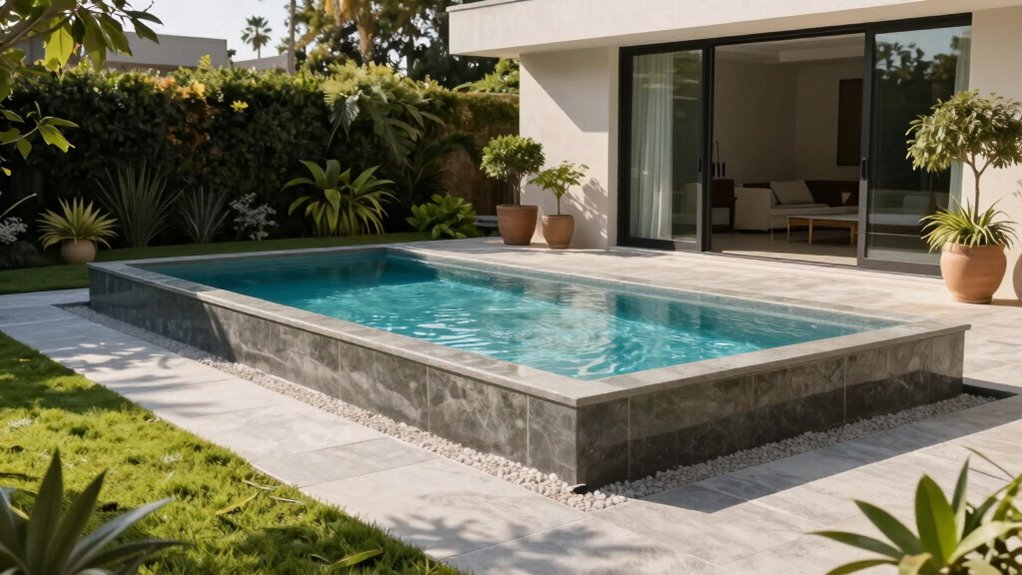

When planning your endless pool placement, consider its role in your landscape—should it be a focal point or a subtle feature? Think about sunlight and shade for comfort and maintenance, privacy to feel secure, and terrain for easier installation or a dynamic look. Balance functionality with aesthetics by ensuring it flows naturally with your yard and meets your lifestyle needs. Keep exploring these key questions to create the perfect, seamless addition to your home.

Get your wardrobe favorites delivered free with Prime
- Fast, free delivery on millions of items
- Prime Video, Amazon Music and more included
- Member-only deals all year
Key Takeaways
- Assess whether the pool should be a focal feature or a subtle addition within the landscape.
- Consider sunlight, shade, and privacy needs to optimize comfort and security.
- Evaluate terrain, ensuring level or intentionally sloped areas for practical installation and design flow.
- Ensure the pool placement complements existing landscape elements and maintains aesthetic balance.
- Prioritize safety, accessibility, and ease of maintenance in the chosen location.

Are you unsure where to place your new pool for ideal safety, aesthetics, and functionality? Choosing the right spot isn’t just about finding a flat patch of yard; it involves careful thought about how your pool will blend into your landscape and how to maintain your privacy. The placement can dramatically influence how your backyard looks and feels, so it’s worth taking the time to deliberate all angles before digging.
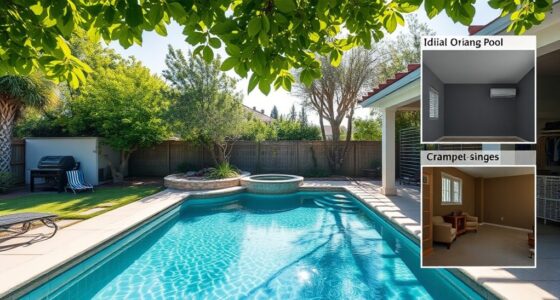
Start by evaluating your landscape integration. Think about how the pool will fit into your existing yard design. Do you want it to be a focal point or a more subtle feature? A well-placed pool can enhance your landscape, complementing trees, flower beds, or other features. Consider the natural flow of your yard—placing the pool where it naturally draws the eye can create a seamless progression from your home to your outdoor space. Keep in mind the sightlines from your house and outdoor seating areas to assure the pool remains a pleasing visual element without dominating the view. Also, consider the terrain—building on a level surface reduces excavation costs and makes installation easier, but if your yard slopes, you might incorporate that into your landscape design for a more dynamic look. Additionally, understanding the impact of sunlight and shade** can help you select a location that balances comfort and maintenance needs. Proper site selection also involves thinking about how water chemistry may be affected by the environment you choose. Incorporating sustainable and eco-friendly practices in your pool placement can further enhance your environmental footprint. You may also want to consider the local climate** patterns, which can influence material choices and the longevity of your pool.
Evaluate how your pool fits into your yard’s design, enhancing beauty and flow seamlessly.
Considering privacy considerations are equally important. You don’t want your pool to be an open invitation for everyone passing by or neighbors to peek over the fence. Think about how your yard is enclosed. If your property is close to neighbors, you might need to add privacy fencing, strategic plantings, or even walls that block views without sacrificing aesthetic appeal. Positioning the pool away from busy streets or neighboring windows helps create a private oasis. If you have children or want to keep the pool secluded for relaxation, these privacy elements are essential. Remember, privacy isn’t just about blocking views; it’s also about creating a sense of comfort and security.
In addition, consider the impact of sunlight and shade throughout the day. A spot that gets ample sun can help keep the water warm and reduce algae growth, but you’ll also want some shaded areas for comfort during hot days. Think about how your chosen location will influence ongoing maintenance, safety, and usability.
Ultimately, the right pool placement balances landscape integration, privacy considerations, and your personal lifestyle. When you take the time to contemplate thoughtfully, your endless pool becomes more than just a backyard feature—it transforms into a beautiful, functional retreat that enhances your home’s overall design.
As an affiliate, we earn on qualifying purchases.
Frequently Asked Questions
How Much Space Is Needed for Installation?
You’ll need at least 7 to 10 feet of space around your endless pool for accessibility and maintenance. This guarantees you can comfortably access the pool for cleaning, repairs, or upgrades. Consider how much room you’ll need to move equipment or perform routine maintenance without hassle. Adequate space improves pool safety, keeps maintenance requirements manageable, and makes your overall experience more enjoyable. Always measure carefully before deciding on a location.
Can I Install a Pool Indoors?
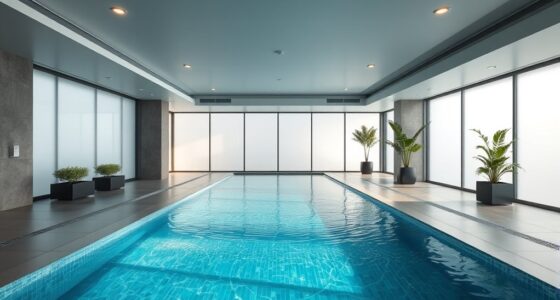
Yes, you can install a pool indoors, but you need to take into account indoor aesthetics and pool maintenance. Make sure your space has proper ventilation to prevent humidity issues and mold. You’ll also want to select a location that complements your interior design and allows easy access for maintenance tasks. Proper planning helps create a seamless look and makes pool upkeep manageable, so your indoor pool remains a stunning and functional feature of your home.
What Are the Safety Considerations for Pool Placement?
Think of your pool as a treasure chest needing protection. You should install pool fencing to prevent accidental falls and keep children or pets safe. Chemical safety is equally vital—store chemicals securely and keep the area well-ventilated to avoid hazards. Regularly inspect fencing and safety equipment to guarantee they’re in good shape. By prioritizing these safety measures, you safeguard your home and loved ones, making your pool a secure oasis.
How Does Pool Placement Affect Landscaping?
Pool placement considerably impacts landscaping by influencing landscape harmony and aesthetic integration. When you position your pool thoughtfully, it complements existing plantings and outdoor features, creating a cohesive look. Strategic placement can minimize disruption to your garden, enhance visual appeal, and allow for seamless integration with pathways or patios. Consider how the pool’s location interacts with natural elements, ensuring it enhances your overall outdoor design rather than disrupting it.
Are There Any Zoning Restrictions for Pool Installation?
Yes, zoning restrictions can impact your pool installation. You should check local regulations because they often specify setbacks from property lines, fencing requirements, and allowable pool sizes. These restrictions influence your landscaping aesthetics and address privacy concerns, ensuring your pool fits harmoniously into your yard while respecting community rules. Before proceeding, consult your local zoning office to avoid costly delays or modifications later.
Conclusion
Thinking through your pool placement carefully can make all the difference in creating a functional, beautiful backyard retreat. By asking the right questions early on, you’ll avoid costly mistakes and guarantee your pool complements your home’s layout and your lifestyle. Remember, isn’t the goal to enjoy endless summer days in your own paradise? Taking the time upfront means fewer surprises later—and more time relaxing in your perfect outdoor oasis.
Fall Picks
fall essentials
As an affiliate, we earn on qualifying purchases.