Choosing the right sock fabric depends on your activity and weather. For cold weather, opt for wool or thermal blends that insulate and wick moisture away. In warm weather, lightweight cotton or synthetics keep your feet cool and dry. For sports or outdoor adventures, moisture-wicking and breathable materials help prevent blisters and overheating. By matching fabric to your needs, you can stay comfortable and protect your feet year-round—if you keep exploring, you’ll discover even more great options.
Key Takeaways
- Modern sock fabrics blend natural and synthetic fibers to enhance durability, moisture-wicking, and comfort for various activities and conditions.
- Wool and thermal blends are ideal for cold weather, providing insulation and moisture management to keep feet warm and dry.
- Lightweight cotton and breathable synthetics are suitable for warm weather, promoting airflow and reducing sweat buildup.
- Activity-specific socks, like hiking or athletic styles, use specialized materials to offer support, protection, and moisture control.
- Choosing the right sock fabric depends on the season and activity to optimize foot health, comfort, and performance.

Choosing the right sock fabric can make a significant difference in comfort and performance throughout your day. With so many options available, understanding sock material innovations and seasonal sock choices can help you select the perfect pair for any activity or weather condition. Different fabrics offer unique benefits, and knowing when to wear them guarantees your feet stay comfortable, dry, and healthy.
Sock material innovations have transformed the way you experience everyday wear. Modern fabrics combine natural and synthetic fibers to improve durability, moisture-wicking, and breathability. For example, blends of merino wool and synthetic fibers provide insulation while managing sweat effectively, making them ideal for active pursuits or cold weather. Similarly, advanced moisture-wicking materials like polyester or nylon are engineered to draw sweat away from your skin, keeping your feet dry during intense workouts or long days on your feet. These innovations mean you don’t have to sacrifice comfort for performance; instead, you get socks that adapt to your needs, whether you’re running, hiking, or just commuting.
Modern sock fabrics blend natural and synthetic fibers for durability, moisture-wicking, and comfort across various activities.
Seasonal sock choices are vital for maintaining foot health and comfort as temperatures change. In colder months, opt for thicker, insulating fabrics like wool or thermal blends to retain heat and prevent your feet from feeling chilled. Wool socks are naturally moisture-wicking and odor-resistant, making them a go-to choice for winter activities. As temperatures rise, switch to lighter, breathable materials such as cotton or lightweight synthetic fibers. These fabrics promote airflow, wick away sweat, and reduce overheating, which helps prevent blisters and discomfort. During transitional seasons like spring and fall, layering becomes key; you might choose a medium-weight sock with a blend of natural and synthetic fibers to adapt to fluctuating temperatures.
It’s also worth considering the activity you’ll be doing. For outdoor adventures, thicker wool or specialized hiking socks with cushioning can provide extra support and protection. For daily wear or office settings, lightweight cotton or blended fabrics offer comfort and style without overheating. Athletic activities demand moisture-wicking, breathable socks that prevent blisters and keep your feet dry—look for innovations in sock material that enhance performance in these situations.
Ultimately, understanding sock material innovations and seasonal sock choices empowers you to pick socks that match your lifestyle and environment. With the right fabric, you’ll notice improved comfort, better foot health, and enhanced performance throughout your day, no matter the weather or activity.

Alvada Merino Wool Hiking Socks Thermal Warm Crew Winter Boot Sock For Men Women 3 Pairs ML
MAKE HIKING A COMFORTABLE EXPERIENCE These Merino wool hiking socks are built to provide you with total support…
As an affiliate, we earn on qualifying purchases.
As an affiliate, we earn on qualifying purchases.
Frequently Asked Questions
How Do Sock Fabrics Affect Foot Odor?
Sock fabrics markedly impact foot odor by affecting moisture absorption and odor control. If your socks wick away sweat effectively, moisture stays away from your skin, reducing bacterial growth that causes odor. Natural fibers like wool and cotton excel at moisture absorption, helping keep your feet dry. Synthetic fabrics may trap moisture, leading to increased odor. Choosing the right sock fabric helps keep your feet fresh and odor-free throughout the day.
Are There Eco-Friendly Sock Fabric Options?
Think of eco-friendly sock fabrics as a gust of fresh air for the planet. Yes, there are options like those made from biodegradable fibers and sustainable manufacturing practices. These socks break down naturally, reducing landfill waste, and are crafted with care for the environment. By choosing them, you support eco-conscious brands that prioritize sustainability, helping to protect our world one step at a time.
Can Sock Fabrics Cause Skin Allergies?
Yes, sock fabrics can cause skin allergies, especially if you have sock material sensitivity. Some fibers, like wool or synthetic materials, may trigger allergic reactions to fibers, leading to itchiness, redness, or irritation. To avoid this, choose hypoallergenic options like organic cotton or bamboo. Always check labels for potential allergens, and if you notice allergic reactions to fibers, switch to softer, natural fabrics to keep your skin comfortable and healthy.
How Should I Care for Delicate Sock Fabrics?
You should care for delicate sock fabrics by following proper washing guidelines, such as hand washing or using a gentle cycle, to prevent damage. Avoid fabric softening, which can weaken fibers over time, and opt for mild detergents designed for delicate textiles. After washing, lay your socks flat to dry or hang them in a shaded area. This helps maintain their softness and prolongs their lifespan.
Do Sock Fabrics Influence Foot Temperature Regulation?
You might think sock fabrics don’t impact foot temperature, but they do. Different materials influence moisture wicking and thermal insulation, which directly affect how warm or cool your feet stay. Breathable fabrics with good moisture-wicking properties keep your feet dry and comfortable, while thicker, insulated fabrics trap heat when needed. Choosing the right sock fabric guarantees your feet stay regulated, preventing overheating or chilling, no matter the activity.

Dickies Men's Dri-tech Original Moisture Control Crew Socks Multipack, Black (6 Pairs), Shoe Size: 6-12, Pack of 6
Soft Breathable Moisture Control Fibers
As an affiliate, we earn on qualifying purchases.
As an affiliate, we earn on qualifying purchases.
Conclusion
Choosing the right sock fabric is like picking the perfect outfit for a journey—you want comfort, function, and style all in one. Whether you’re braving the cold in wool or staying cool with cotton, your socks should work as hard as you do. Think of fabrics as your foot’s best friends, each ready to support you through every step. Wear wisely, and let your socks be the unsung heroes of your day.

Busy Socks Winter Warm Thermal Socks for Men Women Extra Thick Insulated Heated Crew Boot Socks for Extreme Cold Weather, Medium, 1 Pair Black
SIZE- Medium fits for (US Men Shoe Size 6-9.5, Women Shoe Size 7-9.5), Large fits for (US Men…
As an affiliate, we earn on qualifying purchases.
As an affiliate, we earn on qualifying purchases.
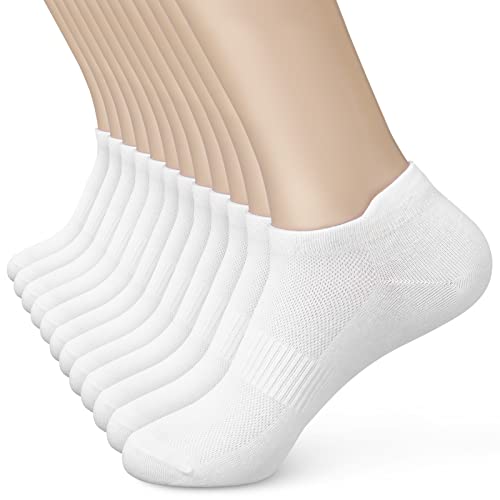
Sallking Women's Ankle Cotton Socks – Low Cut Athletic Sports Running Breathable Thin No Show Socks With Tab 6 Pairs
【Outstanding Quality and Materials】:The Women cotton socks are made with a cotton rich blend for breathablity to keep…
As an affiliate, we earn on qualifying purchases.
As an affiliate, we earn on qualifying purchases.

Born in Dubai to Pakistani parents, Aisha deeply understands Middle Eastern and South Asian luxury markets. She excels in forging strategic partnerships with top-tier luxury brands worldwide, fostering cross-cultural collaborations that enhance our global presence.