Using shoe trees, horns, and proper routines is key to keeping your footwear in great shape. Shoe trees help preserve your shoes’ form, absorb moisture, and prevent creases, while horns make it easier to slip on shoes without damaging the heel. Regular use of these tools, combined with routine care, extends the lifespan and appearance of your footwear. Keep exploring how these simple steps can make a big difference for your shoes’ longevity.
Key Takeaways
- Using shoe trees preserves shoe shape, prevents creases, and extends lifespan through moisture absorption and structural support.
- Proper shoehorn use minimizes heel damage and makes putting on shoes easier, supporting long-term shoe health.
- Selecting wooden shoe trees, especially cedar, enhances odor control and moisture absorption for better shoe preservation.
- Regular maintenance of shoehorns, including cleaning and inspection, ensures safe, effective use and prevents shoe damage.
- Incorporating routine use of shoe trees and horns into your care routine maintains footwear appearance and prolongs their usable life.

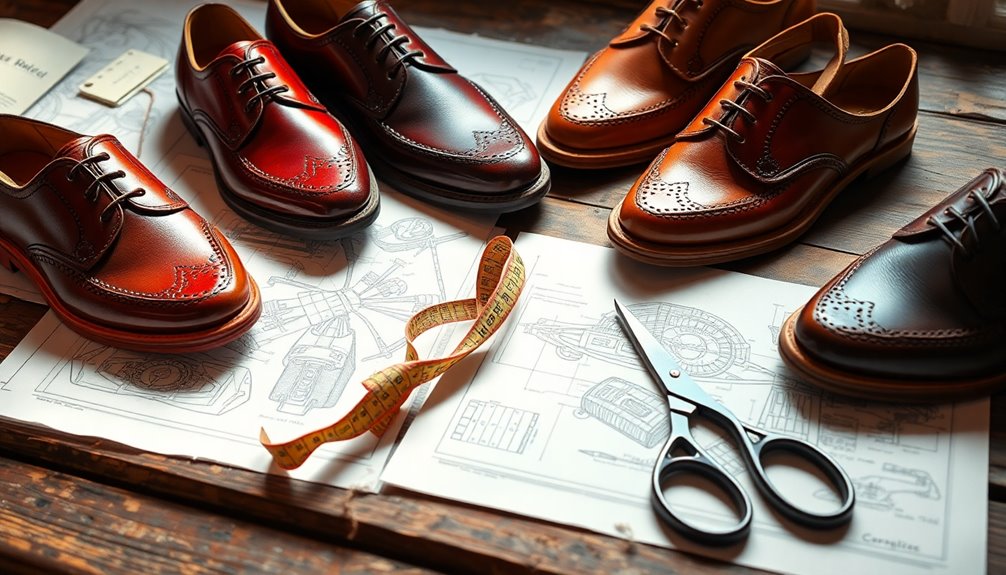
Taking good care of your shoes isn’t just about cleaning them; it’s about maintaining their shape and longevity with the right tools and routines. One of the simplest yet most effective tools you can use is a shoe tree. The shoe tree benefits are numerous: it helps preserve the original shape of your footwear, prevents creases that can develop over time, and absorbs moisture that causes deterioration. When your shoes aren’t being worn, inserting a well-chosen shoe tree keeps the leather or material in good form, reducing the risk of warping or cracking. This straightforward step extends the life of your shoes and keeps them looking sharp longer.
Using a shoe tree preserves shape, prevents creases, and prolongs your shoes’ lifespan.
Using shoe trees regularly is especially important if you wear your shoes daily or for extended periods. They help maintain proper arch support and prevent the upper from collapsing inward. By choosing the right size and type—wooden ones, for example, are excellent for absorbing moisture and odors—you set a foundation for better shoe care routines. It’s a small investment that yields significant benefits in preserving your footwear’s shape and appearance. Additionally, selecting proper materials for your shoe trees, such as cedar, can enhance odor control and moisture absorption further.
Alongside shoe trees, horn maintenance tips are essential for keeping your shoes in top condition. The horn, often a shoehorn, aids in putting on your shoes without damaging the heel counters or pulling on the material improperly. A good shoehorn minimizes stress on the shoe’s structure, preventing unnecessary creases and tears. When using a horn, make sure it’s smooth and sturdy, ideally with a curved design that matches your shoe’s opening.
Proper horn maintenance tips include keeping it clean and dry, inspecting it regularly for cracks or rough spots, and replacing it when it shows signs of wear. Using a well-maintained horn makes slipping into your shoes easier and safer, reducing the chances of deforming the shoe’s back or damaging the leather. When combined with the use of shoe trees, your routine becomes more complete: shoe trees maintain the shape, while the horn helps you avoid putting strain on delicate areas during dressing.
Integrating these tools into your care routine doesn’t take much time but offers substantial rewards. You’ll find that your shoes stay in better condition, resist creasing, and look newer for longer. The key is consistency—use shoe trees whenever you’re not wearing your shoes, and always employ a good horn when putting them on. With these simple practices and tips, your shoes will maintain their shape, support, and appearance, proving that proper care truly extends their lifespan.
wooden shoe trees for men
As an affiliate, we earn on qualifying purchases.
As an affiliate, we earn on qualifying purchases.
Frequently Asked Questions
How Often Should I Replace My Shoe Trees?
You should replace your shoe trees when they no longer maintain the shoe’s shape or start to crack, which usually happens after several years. The shoe tree lifespan varies depending on usage and material, but generally, replacing shoe trees every 2-3 years ensures your shoes stay in good condition. Regularly inspect them, and replace them promptly to prevent deterioration and preserve your shoes’ structure.
Are All Shoe Horns Suitable for Every Shoe Type?
Not all shoe horns suit every shoe type. You should choose a shoe horn with good durability and ergonomic design to make putting on shoes easier and prevent damage. For stiff or high-back shoes, opt for a longer, sturdy shoe horn that offers leverage and support. Smaller, softer shoe horns work well for delicate shoes. Always consider your shoe style and comfort needs to pick the right shoe horn for each pair.
Can Regular Shoe Care Routines Extend Shoe Lifespan Significantly?
Think of your shoes as a garden that needs nurturing. Regular shoe care routines act like water and sunlight, markedly extending their lifespan. By mastering shoe polish techniques and applying appropriate sole repair methods, you protect your shoes from wear and tear. Skipping maintenance is like neglecting your garden—your shoes will wither faster. Stay consistent, and your footwear will remain vibrant and durable, like a well-tended bloom.
What Are the Signs of Over-Conditioning Shoes?
You’ll notice over-conditioning your shoes if you see moisture buildup inside or on the surface, which can lead to mold or odor. Additionally, over-conditioning weakens the leather, causing it to deteriorate faster, especially around the sole area. If your shoes feel overly soft, sticky, or seem to lose their shape, these are signs you’ve applied too much conditioner. Regular, balanced care helps prevent these issues and extends your shoes’ lifespan.
Do Different Shoe Materials Require Different Care Routines?
Think of your shoes as chameleons, changing colors with their environment. Different materials, like leather, suede, or canvas, demand their own dance steps. You need to perform material-specific cleaning and seasonal shoe care to keep them vibrant and healthy. Leather needs conditioning, suede benefits from brushing, and canvas appreciates gentle washing. Tailoring your routine to each material guarantees your shoes stay stylish and durable, ready for any occasion.
cedar shoehorn
As an affiliate, we earn on qualifying purchases.
As an affiliate, we earn on qualifying purchases.
Conclusion
Taking good care of your shoes with the right shoe trees, horns, and routines can make all the difference. Remember, a stitch in time saves nine—regular maintenance keeps your footwear looking sharp and lasting longer. By investing just a little effort now, you’ll enjoy the confidence of always stepping out in style. So, don’t wait until your shoes are worn out; a little care today guarantees they stay fresh tomorrow.
shoe care routine kit
As an affiliate, we earn on qualifying purchases.
As an affiliate, we earn on qualifying purchases.
leather shoe maintenance tools
As an affiliate, we earn on qualifying purchases.
As an affiliate, we earn on qualifying purchases.

Born in Dubai to Pakistani parents, Aisha deeply understands Middle Eastern and South Asian luxury markets. She excels in forging strategic partnerships with top-tier luxury brands worldwide, fostering cross-cultural collaborations that enhance our global presence.