To store seasonal clothing, start by cleaning and drying garments thoroughly to prevent mold and odors. Use vacuum storage bags for bulky items like sweaters and coats to save space and keep out pests and dust. For delicate or formal wear, hang them in garment bags to prevent wrinkles. Label your containers and store everything in cool, dry spots. If you’re ready to discover more effective storage tips, keep exploring how to protect your wardrobe investments.
Key Takeaways
- Clean and dry all garments thoroughly before storing to prevent mold and odors.
- Use vacuum storage bags for bulky winter items to save space and protect from pests.
- Hang delicate or formal clothing in garment bags to prevent wrinkles and damage.
- Label storage containers clearly with season and clothing type for easy access.
- Store seasonal clothing in a cool, dry, and well-ventilated area to prolong their lifespan.

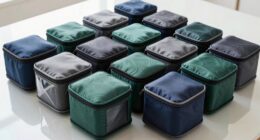
Storing seasonal clothing properly guarantees your wardrobe stays organized and your clothes remain in good condition year after year. One of the most effective ways to save space and protect your garments is by using vacuum storage bags. These bags remove excess air, considerably reducing the volume of bulky items like sweaters, coats, and blankets. As you seal the vacuum bags, you’ll find it easier to fit more clothes into less space, whether in your closet, under your bed, or in storage bins. Just make sure to follow the instructions carefully to avoid damaging delicate fabrics. Vacuum storage not only saves space but also helps keep out moisture, dust, and pests, which can damage your clothing over time. Additionally, choosing proper storage containers can further enhance the protection and organization of your seasonal wardrobe. Another excellent method is using garment bags, especially for items you want to keep clean and protected for extended periods. Garment bags are sturdy, often breathable, and designed to hang clothes without crushing or wrinkling them. They’re perfect for delicate fabrics, formal wear, or seasonal items you plan to store in a closet or on a rack. When using garment bags, ensure your clothes are clean and completely dry before storing them, as trapped moisture can lead to mold or mildew. Hanging your seasonal clothing in garment bags also makes it easier to access and rotate your wardrobe when the season changes, saving you time and hassle. To further optimize your storage, consider combining vacuum storage and garment bags. For example, you might use vacuum bags for bulkier winter clothes, then place those bags inside a garment bag for added protection and organization. This layered approach keeps your clothing safe from pests and dust while saving space. When packing away seasonal clothes, always label your storage containers or bags clearly, noting the season and type of clothing inside. This practice prevents rummaging through everything when you need specific items and helps maintain an organized wardrobe. Additionally, store your vacuum-sealed bags in a cool, dry place to avoid the risk of mold or deterioration over time. Keep garment bags hanging in a closet or on hooks, ensuring they’re not crushed or bent. By combining these methods, you create a system that preserves your clothing’s quality and makes seasonal wardrobe changes effortless. Proper storage not only extends the life of your garments but also keeps your space tidy and clutter-free, making switching between seasons a smooth, stress-free process.

BALEINE 1PK Heavy Duty Garment Bag with Shoe Storage Travel Bag for Dresses, Suit, Coats Travel Essential (43", Black)
[PREMIUM QUALITY] Our BALEINE non-woven travel garment bag is crafted with care using high-quality materials to provide excellent...
As an affiliate, we earn on qualifying purchases.
Frequently Asked Questions
How Do I Prevent Moths From Damaging Stored Clothing?
To prevent moths from damaging your stored clothing, you should use natural moth repellents like cedar blocks or lavender sachets. Make certain your clothes are clean and completely dry before storing. Place your items in airtight storage containers to keep moths out. Regularly check your storage area for any signs of pests, and replace repellents as needed. This proactive approach keeps your seasonal clothing safe from moth damage.
What Is the Best Way to Organize Seasonal Clothing in Storage?
Imagine your closet as a well-orchestrated symphony; organization makes everything flow smoothly. To best store seasonal clothing, use seasonal labeling to clearly identify each section. Incorporate clothing rotation, bringing out items for the current season and packing away off-season pieces. Store clothes in breathable containers, and keep them in a cool, dry place. This method keeps your wardrobe tidy and ready for any season.
How Often Should I Check My Stored Clothing for Pests?
You should check your stored clothing for pests every three to six months. During these inspections, rotate your clothing to prevent mold and pests from settling in. Use clear storage container labels to easily identify items and spot any signs of infestation quickly. Regular checks help you catch problems early, ensuring your seasonal clothing stays fresh and pest-free, ready to wear when the season changes again.
Can I Store Seasonal Clothing in Plastic Bags?
Back in the day, storing seasonal clothes in plastic bags was common, but now, you should avoid it. Instead, opt for vacuum sealing or breathable containers to prevent moisture buildup and mold. Plastic bags can trap humidity, damaging your clothes over time. Using breathable containers allows air circulation, keeping your garments fresh and safe. So, steer clear of plastic bags and choose smarter storage options for your seasonal wardrobe.
What Are Eco-Friendly Options for Storing Seasonal Clothing?
You can choose eco-friendly storage options like recycled storage containers and biodegradable garment bags to safeguard your seasonal clothing. Recycled containers reduce waste and reuse materials, while biodegradable bags break down naturally, minimizing environmental impact. These options keep your clothes safe and eco-conscious, making storage sustainable. By opting for these, you contribute to a greener planet and ensure your wardrobe stays organized without harming the environment.

BALEINE Travel Garment Bag, Travel Suit Bag for Men, 42'' Waterproof Carry on Garment Bag for Hanging Clothes, Garment Duffel Bag for Travel Business (Black)
[Premium Material] Crafted from premium 600D water-resistant materials, this garment bags for storage is a testament to longevity....
As an affiliate, we earn on qualifying purchases.
Conclusion
Now that you know how to store your seasonal clothing properly, you’ll keep your wardrobe organized and your clothes in great shape. Remember, a place for everything and everything in its place makes life easier. Don’t wait for clutter to take over—tackle your storage now and enjoy the benefits of a tidy closet. As the saying goes, “A stitch in time saves nine,” so taking small steps today keeps chaos at bay tomorrow.
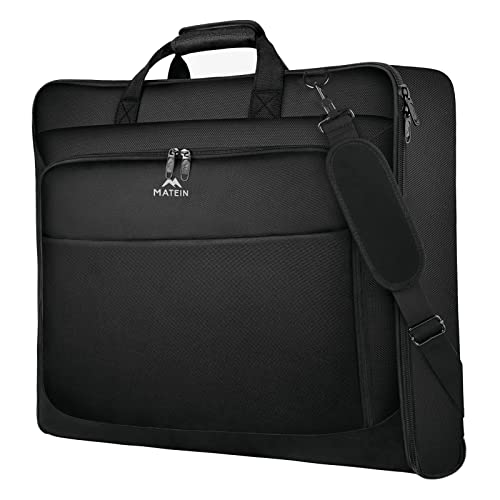
MATEIN Garment Bag for Travel, Large Carry on Garment Bags with Strap for Business, Waterproof Hanging Suit Luggage Bag for Men Women, Wrinkle Free Suitcase Cover for Shirts Dresses Coats, Black
AMPLE SPACE & PLENTY OF POCKETS: Travel garment bag with the main compartment for hanging clothes,carrying a suit,...
As an affiliate, we earn on qualifying purchases.
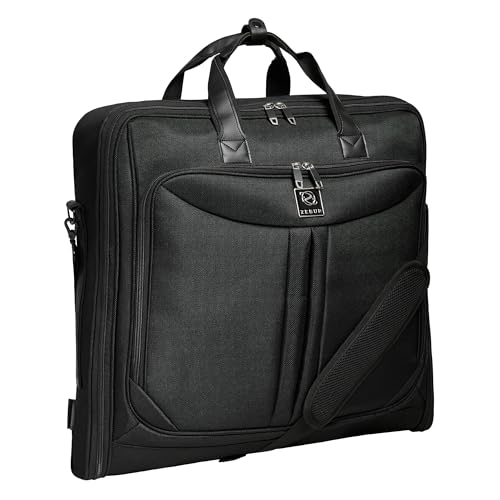
ZEGUR Premium Suit Garment Bag Carry On - Hangs 4 Suits - Travel & Business with Shoulder Strap and Laptop Compartment
HYBRID SOFT-BODY GARMENT BAG WITH SEMIRIGID STRUCTURE PIPING: Zegur's over-shoulder clothing carrier offers stress-free protection for your business...
As an affiliate, we earn on qualifying purchases.

Born in Dubai to Pakistani parents, Aisha deeply understands Middle Eastern and South Asian luxury markets. She excels in forging strategic partnerships with top-tier luxury brands worldwide, fostering cross-cultural collaborations that enhance our global presence.