
When choosing gloves, consider the materials like leather for durability or synthetic fabrics such as nylon for water resistance and lightweight comfort. Linings like fleece or wool provide warmth, while cotton offers breathability. The fit is vital—should be snug but not tight, with adjustable features for comfort and dexterity. Properly selected gloves protect and enhance your style. To discover the best options for your needs, keep exploring how materials, linings, and fit influence performance and comfort.
Key Takeaways
- Choose materials like leather for durability and grip, or synthetic fabrics for water resistance and lightweight comfort.
- Select appropriate linings such as wool or fleece for warmth, or cotton for breathability and comfort.
- Ensure gloves fit snugly without tightness, allowing finger movement and proper insulation.
- Consider adjustable features like straps or elastic cuffs for a customized and secure fit.
- Match glove materials and fit to intended activity for optimal protection, dexterity, and style.

Have you ever wondered how gloves protect your hands in different situations? It all starts with gloves manufacturing, a process that combines craftsmanship and modern technology to create the protective gear we rely on daily. Over centuries, gloves have evolved from simple coverings to sophisticated tools designed for fashion, function, and safety. To understand their significance, it helps to look back at historical glove styles, which reveal how their purpose and design have shifted over time. In ancient civilizations, gloves were primarily made for protection and status symbols, often crafted from leather or fabric and decorated with embroidery or jewels. During the Renaissance, gloves became opulent accessories, signifying wealth and social standing, with elaborate designs and fine materials like silk and velvet. As centuries progressed, gloves took on specialized roles: military gloves for combat, work gloves for manual labor, and fashion gloves for social occasions. These historical styles laid the foundation for the diverse glove types we see today.
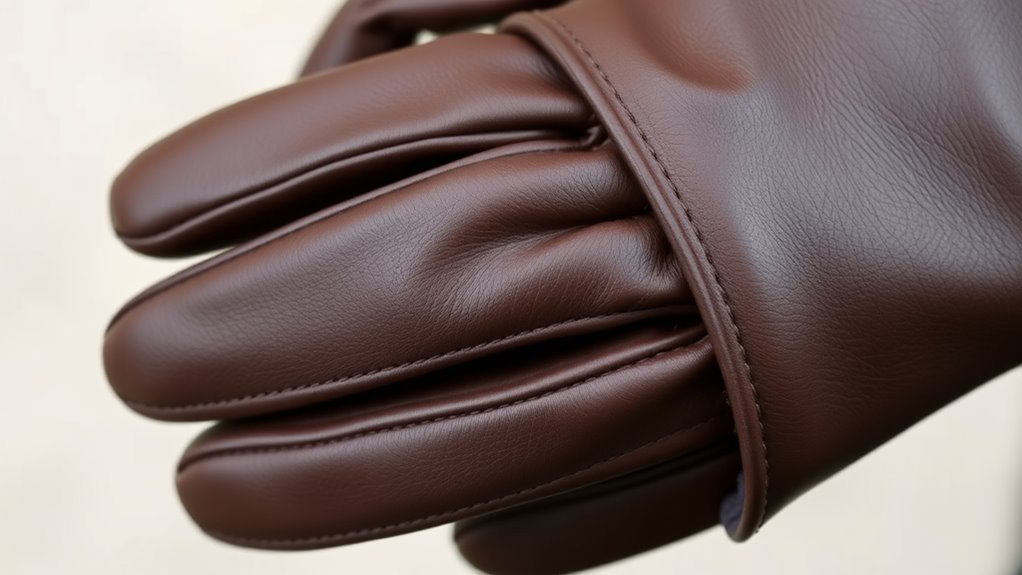
When you choose gloves, you’re selecting from a variety of materials, each suited for specific needs. Leather gloves, for example, are durable and offer excellent grip, making them ideal for outdoor activities or driving. Synthetic materials like nylon or polyester are lightweight and water-resistant, perfect for sports or everyday use. Wool or fleece linings provide warmth in cold weather, while cotton linings are comfortable and breathable for everyday wear. Modern gloves manufacturing combines these materials into designs that enhance functionality and comfort. The manufacturing process involves cutting and sewing fabrics or leathers into precise shapes, often incorporating linings or insulation layers to improve performance. Advanced techniques like seamless knitting or heat sealing ensure better fit and durability. The choice of materials influences how well the gloves protect against elements like cold, wind, or moisture, and how they feel on your hands. Additionally, the use of specialized materials ensures that gloves can meet specific safety and environmental standards.
Fit is another vital aspect when selecting gloves. Properly fitting gloves should feel snug but not tight, allowing you to move your fingers freely without slipping. Ill-fitting gloves can hinder your dexterity or cause discomfort, especially during prolonged wear. Manufacturers tailor their designs to accommodate different hand sizes, often including adjustable features like straps or elastic cuffs. When trying on gloves, make sure they conform to the shape of your hand, providing enough room for movement without excess slack. Good fit also ensures that insulation works effectively, trapping heat and keeping your hands warm. Whether you’re buying gloves for work, sports, or fashion, understanding how materials, linings, and fit work together helps you pick the right pair for your needs, guaranteeing comfort, protection, and style in every situation.
leather driving gloves
As an affiliate, we earn on qualifying purchases.
As an affiliate, we earn on qualifying purchases.
Frequently Asked Questions
How Do I Choose Gloves for Extreme Cold Weather?
To select gloves for extreme cold weather, prioritize insulation effectiveness and waterproof features. Look for gloves with thick, high-quality insulation like Thinsulate or down, which trap heat efficiently. make certain they are waterproof to keep moisture out, maintaining warmth. Also, pick gloves that fit snugly without restricting movement. Consider additional features like adjustable cuffs and touchscreen compatibility for convenience. Properly layered gloves will keep your hands warm and dry even in the harshest conditions.
Are There Allergen-Free Glove Materials Available?
Yes, there are allergen-free glove materials available. You should look for hypoallergenic options, which are designed to minimize allergic reactions. Many gloves use synthetic materials like neoprene, nitrile, or polyester, offering a safe alternative to natural latex. These materials are less likely to cause allergies, so you can stay comfortable and protected without worrying about allergic reactions. Always check product labels for hypoallergenic claims to guarantee safety.
Can Glove Materials Affect Dexterity and Grip?
Yes, glove materials can affect your dexterity and grip. If the material isn’t flexible enough, it can restrict your hand movements, making tasks harder. Conversely, materials with good flexibility improve your dexterity. For grip enhancement, choose gloves with textured or specialized surfaces that increase friction. This way, you maintain better control and precision, especially during delicate or demanding activities, ensuring your gloves work with you, not against you.
How Should I Properly Care for and Clean Different Glove Types?
To properly care for your gloves, follow specific glove maintenance and cleaning techniques based on their material. For leather gloves, gently wipe with a damp cloth and condition them regularly. For fabric gloves, hand wash with mild soap and air dry. Always check manufacturer instructions. Avoid machine washing unless specified. Proper cleaning prolongs glove life and maintains performance, so take care to handle each type appropriately and store them in a cool, dry place.
What Are the Best Gloves for Sensitive Skin?
If you have sensitive skin, choose gloves made from hypoallergenic materials and lined with skin-sensitive linings. Look for options like organic cotton, bamboo, or microfiber, which are gentle and breathable. Opt for gloves with seamless or soft seams to prevent irritation. By selecting gloves crafted with these features, you protect your skin, prevent discomfort, and enjoy everyday activities without worry.
water-resistant synthetic gloves
As an affiliate, we earn on qualifying purchases.
As an affiliate, we earn on qualifying purchases.
Conclusion
Choosing the right gloves is like finding a second skin—they should fit perfectly, feel comfortable, and suit your needs. Pay attention to materials and linings to keep warmth in and moisture out. When you find the right pair, they become an extension of you, ready to face any weather or task. Don’t settle for less; the perfect gloves are out there, waiting to hug your hands with the precision of a tailored suit.
thermal fleece lined gloves
As an affiliate, we earn on qualifying purchases.
As an affiliate, we earn on qualifying purchases.
adjustable fit work gloves
As an affiliate, we earn on qualifying purchases.
As an affiliate, we earn on qualifying purchases.

Born in Dubai to Pakistani parents, Aisha deeply understands Middle Eastern and South Asian luxury markets. She excels in forging strategic partnerships with top-tier luxury brands worldwide, fostering cross-cultural collaborations that enhance our global presence.