
To start a creative circle, create an open, welcoming environment that encourages collaboration and idea-sharing. Use brainstorming techniques like mind mapping or brainwriting to spark fresh ideas and break down barriers. Reach out through social media, local events, or online forums to attract diverse members. Organize regular activities such as workshops or critique sessions to foster engagement. Keep the momentum by nurturing relationships and maintaining inclusive practices—continuing will reveal even more ways to grow your community.
Key Takeaways
- Define the circle’s purpose and target audience to attract like-minded creatives.
- Choose a welcoming, open environment that encourages idea sharing and collaboration.
- Use diverse brainstorming techniques like mind mapping and brainwriting to generate ideas.
- Promote the community through social media, local events, and partnerships with organizations.
- Organize regular activities to foster engagement, skill development, and ongoing participation.
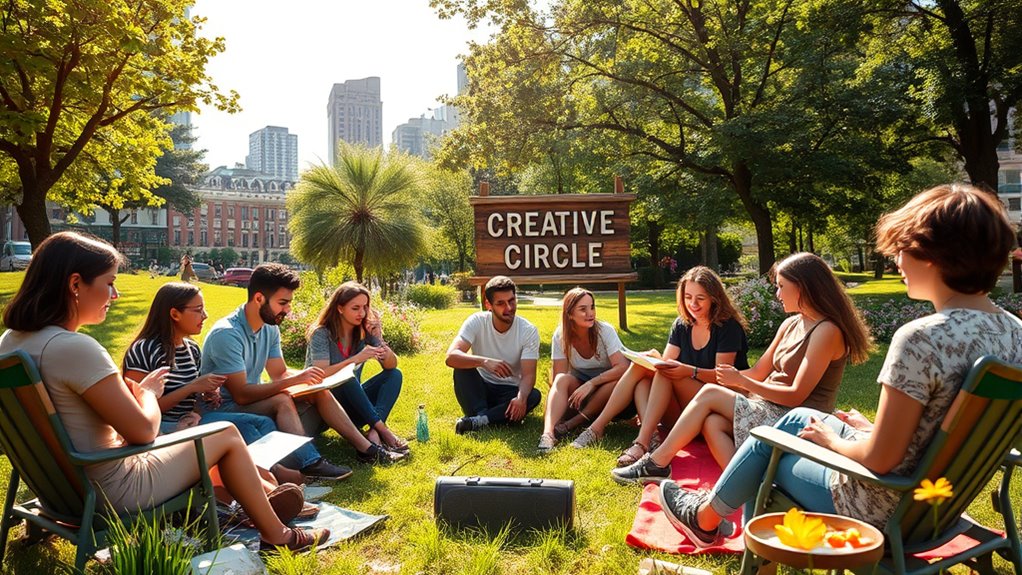
Ever wondered how to turn your passion for creativity into a thriving community? Starting a creative circle isn’t just about gathering like-minded people; it’s about fostering an environment where ideas flourish and collaborations thrive. The first step involves effective brainstorming techniques. You want to create a space that encourages open dialogue and fresh thinking, so focus on methods that spark innovation. Techniques like mind mapping, where you jot down ideas and connect them visually, can help members see new relationships and possibilities. Another powerful method is the “brainwriting” approach, where participants silently write down ideas before sharing, reducing the pressure of immediate judgment. Using prompts or themed sessions can also help direct the conversation and keep energy flowing. These exercises are essential because they break down barriers and inspire participants to contribute freely, setting a collaborative tone from the start. Additionally, incorporating 4K resolution visuals or multimedia can significantly enhance the quality of presentations and inspire members with high-quality examples.
Once you have a solid foundation of ideas, it’s time to develop effective networking strategies. Building a community means connecting people who bring diverse skills and perspectives. To do this, you should reach out through various channels—social media, local events, or online forums—making sure your message is clear about the circle’s purpose and benefits. When engaging potential members, be genuine and transparent about what they can gain, whether it’s skill development, new collaborations, or simply shared inspiration. Creating opportunities for face-to-face interactions or virtual meetups can nurture trust and camaraderie. Remember, successful networking isn’t just about expanding your contacts; it’s about cultivating meaningful relationships that encourage ongoing participation and mutual support. You can also leverage existing networks by partnering with local art centers, co-working spaces, or community organizations, which can provide additional credibility and resources.
As your circle begins to grow, keep the momentum going by regularly organizing events that promote interaction—workshops, critique sessions, or collaborative projects. Use feedback from members to refine your approach, making sure everyone feels valued and heard. The key is consistency: the more you nurture the community through active engagement and inclusive practices, the more vibrant and sustainable it becomes. With effective brainstorming techniques and strategic networking, you’ll transform a simple gathering into a dynamic creative hub. Starting a creative circle takes effort, but by focusing on these core elements, you set the stage for a thriving, inspiring community where ideas evolve and talents flourish.
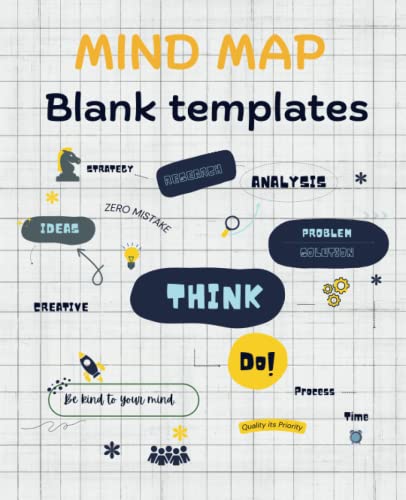
Mind Map Blank Templates: 7.5 x 9.25 Inch, 4 Styles of Mind Mapping Template for your class notes, brainstorming, planning, and creative ideas
As an affiliate, we earn on qualifying purchases.
As an affiliate, we earn on qualifying purchases.
Frequently Asked Questions
How Do I Find Initial Members for My Creative Circle?
To find your initial members, start with brainstorming techniques like listing friends or colleagues interested in creativity. Use networking strategies such as attending local events, online groups, or social media platforms to connect with like-minded individuals. Reach out personally, share your vision, and invite those who resonate with your idea. Keep the atmosphere welcoming and collaborative, encouraging members to bring their unique talents to build a vibrant, inspiring creative circle.
What Activities Should I Include in the First Meeting?
Kick off your first meeting with warm, engaging activities like brainstorming exercises to spark ideas and foster openness. Encourage members to share their passions and strengths, setting the stage for collaborative projects that build trust and excitement. Include icebreakers to break down barriers and create a comfortable environment. These activities will help your creative circle form strong connections and lay a solid foundation for future collaboration.
How Can I Ensure Diverse Participation in the Circle?
To guarantee diverse participation, you should promote cultural sensitivity and use inclusive language in all your communications. Reach out through varied channels, like community centers or social media, to invite different groups. Encourage open dialogue, respect differing perspectives, and create a welcoming environment. By actively valuing each member’s background and avoiding assumptions, you foster a space where everyone feels comfortable contributing, enriching your creative circle with diverse ideas and experiences.
What Is the Ideal Size for a Creative Circle?
The ideal size for a creative circle is around 6 to 12 participants. This group size fosters better participant dynamics, encouraging everyone to share ideas and collaborate effectively. Smaller groups might limit diversity of thought, while larger ones can become unwieldy. Keep the group manageable, ensuring each person feels heard and engaged. Adjust the size based on your goals, but staying within this range usually promotes a vibrant, productive creative environment.
How Do I Handle Disagreements Within the Group?
When disagreements arise, handle them through conflict resolution by encouraging open dialogue and active listening. You should create a safe space where everyone feels heard, asking clarifying questions and showing empathy. Address issues promptly, focus on the problem, not individuals, and seek common ground. This approach fosters mutual understanding, keeps the group collaborative, and ensures disagreements become opportunities for growth rather than division.

AmazingSpark Brain Shaped Notepads Set, 24 Pack Colorful Portable Memo Pads 5 x 3.75 Inches, Thick Waterproof Cover & Blank Pages, Fun Novelty Stationery for School Office Gifts
Brain Notepad Set: this 24 pack of brain shaped notepads features thick waterproof covers and 25 blank pages…
As an affiliate, we earn on qualifying purchases.
As an affiliate, we earn on qualifying purchases.
Conclusion
Starting a creative circle can be a game-changer, fostering collaboration and inspiring new ideas. Did you know that 85% of creative professionals say that working with a supportive community boosts their productivity? By taking the first step and inviting others to join, you create a space where innovation thrives. So, don’t wait—your creative circle could be the spark that ignites your next big project. Get started today and watch your ideas flourish!

The Paint Pouring Workshop: Learn to Create Dazzling Abstract Art with Acrylic Pouring
Lark The Paint Pouring Workshop Book
As an affiliate, we earn on qualifying purchases.
As an affiliate, we earn on qualifying purchases.
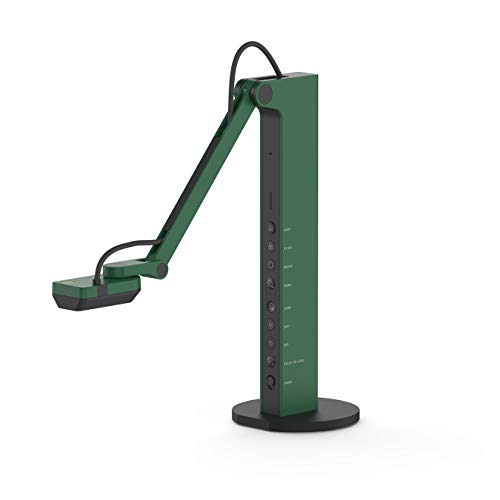
IPEVO VZ-R HDMI/USB Dual Mode 8MP Visual Communication Tool for Real-time Projection, Distance Learning, Web conferencing, Video Recording, Live Demos — Works with and Without a Computer,Green
HDMI and USB Dual Mode Document Camera: Direct HDMI connection to a TV, monitor or projector and easy…
As an affiliate, we earn on qualifying purchases.
As an affiliate, we earn on qualifying purchases.

Born in Dubai to Pakistani parents, Aisha deeply understands Middle Eastern and South Asian luxury markets. She excels in forging strategic partnerships with top-tier luxury brands worldwide, fostering cross-cultural collaborations that enhance our global presence.