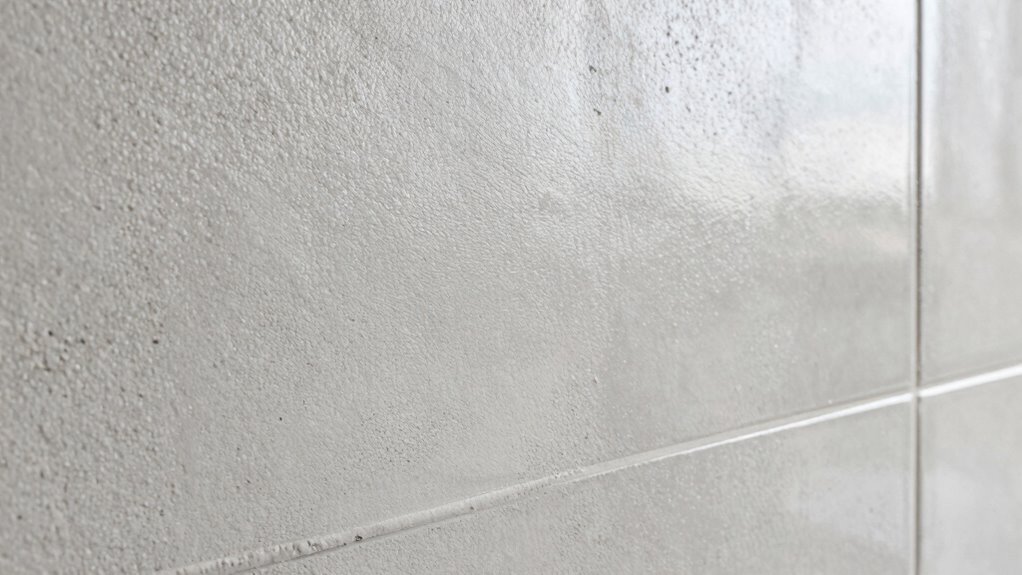

To soften hard finishes like tile, concrete, and stone, incorporate tactile contrast with plush rugs or woven textiles, and choose matte or honed surfaces to reduce glare. Use warm color palettes such as beiges and earthy hues, and add curves or rounded furniture to create a more inviting feel. Balancing textures and shapes brings harmony and warmth, making your space more welcoming. Keep exploring ways to enhance your design; there’s plenty more to discover.

Get your wardrobe favorites delivered free with Prime
- Fast, free delivery on millions of items
- Prime Video, Amazon Music and more included
- Member-only deals all year
Key Takeaways
- Incorporate plush rugs, woven textiles, or soft furnishings to add tactile warmth and contrast to hard surfaces.
- Use textured or matte finishes on tile, concrete, or stone to reduce glare and create a more organic look.
- Apply warm, earthy color palettes through paint, accessories, and decor to soften the overall aesthetic.
- Add rounded furniture or decor with curved shapes to break straight lines and create visual softness.
- Ensure design cohesion through balanced textures, colors, and shapes to foster a welcoming, harmonious environment.

Hard finishes can often feel rigid and uninviting, but with the right techniques, you can soften their appearance and tactile quality. When it comes to tile, concrete, and stone, embracing textural contrast is key. These materials naturally possess a sleek, hard surface that can seem cold or stark, but adding softer elements around them creates a visual warmth that makes spaces more welcoming. For example, pairing polished stone floors with plush rugs or woven textiles balances the hardness and introduces a cozy, inviting vibe. Such contrasts not only enhance aesthetic appeal but also make the environment more comfortable underfoot and to the touch.
Balancing hard finishes with soft textures and warm tones creates inviting, tactile, and visually appealing spaces.
One effective way to soften these finishes is to incorporate layers of different textures. Think about adding fabric or natural fibers to your decor—curtains, throw pillows, or wall hangings—that contrast with the smooth, hard surface of tiles or stone. These textiles create a tactile contrast, inviting touch and making the space feel less sterile. If you’re working with concrete, consider applying a textured or matte finish instead of a glossy one. This subtle change reduces glare and adds depth, giving the surface a more organic, less severe appearance. Similarly, choosing tiles with a matte or honed surface over polished versions can diminish the starkness and bring a bit of visual warmth.
Color choice also plays a vital role. Light, warm tones—such as soft beiges, warm greys, or earthy hues—counteract the rigidity of hard finishes. Painting walls in these shades or selecting tiles in warm color palettes can instantly make a space feel more inviting. You can further emphasize this warmth by adding accessories like wooden furniture, woven baskets, or ceramics in warm tones. These elements serve as visual cues that soften the overall look and add a cozy, tactile appeal. Additionally, understanding the importance of textural contrast can help you create a more harmonious and inviting environment. Incorporating color psychology principles can also influence the mood and perception of warmth in your space.
Another technique is to introduce rounded or irregular shapes through decor or furniture. Rounded edges on tables or sculptural elements in your design can break up the straight lines of tiles or concrete surfaces, making the environment feel more organic and approachable. A carefully curated mix of textures, warm colors, and softer shapes transforms the often severe appearance of hard finishes. This approach not only enhances visual warmth but also creates an inviting atmosphere that encourages touch and interaction, making your space feel balanced and harmonious. Incorporating design principles such as balance and harmony ensures that these softening techniques work cohesively to create a welcoming space. Recognizing the significance of aesthetic harmony can further refine your design choices for a cohesive look.
As an affiliate, we earn on qualifying purchases.
Frequently Asked Questions
Can Softening Techniques Damage the Original Surface?
Yes, softening techniques can potentially damage the surface if you don’t consider surface integrity and material compatibility. Using harsh chemicals or aggressive methods might weaken or discolor the original finish, especially on delicate tiles or porous stone. To avoid damage, test a small area first, choose compatible products, and follow manufacturer guidelines carefully. Properly applied, softening techniques can help, but improper use risks harming the surface’s original quality.
Are There Eco-Friendly Options for Softening Hard Finishes?
Think of softening hard finishes as nurturing a garden with eco-friendly alternatives. You can choose sustainable softening methods like using natural acids such as vinegar or lemon juice, which gently dissolve mineral deposits without harming the surface or environment. These eco-friendly alternatives not only soften tiles, concrete, and stone safely but also promote sustainability. Embracing these methods helps protect your space and the planet, making your renovation both beautiful and eco-conscious.
How Long Does the Softening Process Typically Take?
The softening process usually takes a few hours to a day, depending on the surface, material compatibility, and the type of finish. You should start with proper surface preparation to guarantee even application, and always check the compatibility of your softening agents with the specific tile, concrete, or stone. Patience is key; allowing ample time ensures effective softening without damaging the surface.
Is Professional Help Required for Softening Large Areas?
You don’t necessarily need professional help for softening large areas; DIY methods can work if you’re comfortable with the process. However, consider cost considerations, as hiring a pro might be more expensive but guarantees even, effective results. If you’re tackling a big space, weigh your skill level and the complexity of the job. For best results, professional assistance can save time and prevent damage.
Can Softening Methods Be Reversed or Adjusted Later?
Imagine a delicate sculpture you can reshape; softening methods can be adjusted later, but surface compatibility is key. If you soften a finish, it might be reversible with careful re-hardening or re-sealing, yet long-term effects vary. You should always test small areas first, as some finishes may not fully revert or could be damaged. Proper technique guarantees you maintain the integrity of your surfaces without permanent alteration.
Conclusion
By softening hard finishes with these tricks, you transform rigid surfaces into inviting spaces, proving that even the toughest materials can be tamed with patience and care. Remember, just as water gently molds stone, your attention and effort can turn cold, unyielding surfaces into warm, welcoming environments. So, embrace these techniques, and let your creativity flow—because in the art of transformation, persistence is the key that releases beauty from the hardest of materials.
Halloween Picks
halloween
As an affiliate, we earn on qualifying purchases.