Mastering the five classic mother sauces—Béchamel, Velouté, Espagnole, Tomato, and Hollandaise—opens up endless possibilities in cooking. These foundational sauces serve as the building blocks for creating rich, complex flavors and transforming simple ingredients into extraordinary dishes. By understanding their techniques and how to customize them with herbs, spices, or acidity, you can elevate any recipe. Keep exploring, and you’ll discover how these sauces liberate your full culinary potential.
Key Takeaways
- Master the five classic mother sauces—Béchamel, Velouté, Espagnole, Tomato, and Hollandaise—as the foundation for a wide variety of dishes.
- Learn essential techniques for preparing, customizing, and combining sauces to create complex flavors and signature recipes.
- Understand how to enhance sauces with herbs, spices, cream, acidity, and additional ingredients for tailored flavor profiles.
- Recognize sauces as versatile tools to elevate simple ingredients and transform everyday meals into culinary masterpieces.
- Develop confidence in sauce-making to foster creativity, experimentation, and mastery in culinary arts.

Have you ever wondered how a simple dish can be transformed with the perfect sauce? The magic lies in understanding how sauces serve as the foundation for flavor enhancement and culinary creativity. When you master the basic mother sauces, you unleash endless possibilities to elevate everyday ingredients into extraordinary meals. These sauces are the building blocks of countless recipes, and once you get the hang of them, you’ll see how versatile and essential they truly are.
Mastering basic mother sauces unlocks endless culinary creativity and elevates simple ingredients into extraordinary dishes.
The five classic mother sauces—Béchamel, Velouté, Espagnole, Tomato, and Hollandaise—are like the primary colors for a chef. Each one provides a unique base that you can customize to suit your taste and the dish you’re preparing. For example, Béchamel, a rich creamy white sauce, can be infused with cheese for a decadent Mac and cheese or seasoned with herbs for a luscious gratin. Velouté, made from light stock thickened with roux, forms a delicate foundation for seafood or chicken dishes, allowing you to layer flavors and textures. Espagnole, a hearty brown sauce, adds depth and richness to stews and roasted meats, while Tomato sauce offers vibrant acidity perfect for pasta or vegetable dishes. Hollandaise, a silky butter-rich sauce, elevates eggs and seafood with its tangy, buttery profile.
Learning to prepare these sauces from scratch helps you understand their core components and how each element contributes to flavor. Once you master their techniques, you can easily modify or combine them to create new sauces tailored to your culinary vision. This flexibility is where your culinary creativity truly shines. For example, adding herbs, spices, or wine can transform a basic Velouté into a sophisticated sauce that complements a variety of proteins. By understanding the foundation, you gain confidence to experiment and develop your signature flavors.
Moreover, these sauces serve as a canvas for flavor enhancement. They can be made richer with cream, tangier with vinegar or lemon, or spiced up with chili or garlic—all of which allow you to customize your dishes. As you become more comfortable with the mother sauces, you’ll notice how they act as the backbone of many recipes, providing cohesion and depth. They also give you control over the final taste, ensuring each bite aligns with your culinary goals. Additionally, understanding the diverse designs of sauces can inspire you to incorporate innovative ingredients and techniques into your cooking.
In essence, mastering the art of sauces is about more than just following recipes. It’s about discovering your creativity and understanding how simple techniques can lead to complex, flavorful dishes. With a solid grasp of the mother sauces, you’ll be empowered to enhance your cooking, experiment boldly, and truly make every meal special.

Premium Hot Sauce Making Kit, 5 Varieties of Peppers, Jalapeno Habanero, Gourmet Spice Blend, 4 Bottles, Fun Labels, Make your own hot sauce, DIY Gift for Dad (Premium Kit)
Dad labels now included! (Premium Kit) includes 5 Peppers Varieties: Jalapeno, Chipotle, Habanero, Cayenne, Arbol. Everything you need…
As an affiliate, we earn on qualifying purchases.
As an affiliate, we earn on qualifying purchases.
Frequently Asked Questions
Can Mother Sauces Be Prepared Ahead of Time?
Yes, you can prepare mother sauces ahead of time. Store them in airtight containers in the refrigerator, and be sure to use proper storage tips to maintain their quality. When reheating, do so gently to avoid breaking down the sauce. For flavor enhancements, consider adding fresh herbs or seasonings just before serving. Preparing sauces ahead saves time and ensures you have rich, flavorful bases ready for quick meal assembly.
What Are Common Mistakes in Making Mother Sauces?
You often make mistakes with mother sauces by not focusing on sauce consistency and flavor balancing. Overcooking can cause sauces to break or become too thick, while undercooking may leave them thin and watery. Failing to season properly affects flavor balance, making sauces bland or overpowering. Always stir continuously, adjust heat carefully, and taste as you go to guarantee the right texture and flavor, avoiding common errors.
How Do You Adapt Mother Sauces for Dietary Restrictions?
You adapt mother sauces for dietary restrictions by using gluten-free modifications, vegan substitutions, and dairy-free options. You replace wheat flour with cornstarch or arrowroot for thickening, swap dairy-based ingredients for plant-based alternatives, and choose vegetable or fruit-based bases when needed. You taste and adjust seasonings carefully to maintain flavor, ensuring that your sauces remain delicious and accessible while respecting dietary needs.
What Are the Best Tools for Sauce Making?
You’ll want a good whisk or wooden spoon to achieve the right sauce consistency and guarantee smooth blending. A fine-mesh sieve helps strain lumps and refine texture, while a thermometer allows precise temperature control for flavor balancing. Additionally, having a sturdy saucepan with a heavy bottom prevents scorching. These tools give you control over texture and flavor, making your sauces perfectly silky and well-balanced every time.
How Can Leftover Sauces Be Stored Safely?
To store leftover sauces safely, you should transfer them to airtight containers promptly. Make sure to cool the sauces quickly and refrigerate them within two hours to prevent bacteria growth. For longer storage, consider freezing the sauces in small portions. Always label containers with the date, and reheat thoroughly before use. Proper leftover storage guarantees food safety and preserves the flavor for future meals.

Umite Chef Stainless Steel Cookware Set, 5 Ply 14 Piece Stainless Steel Pot and Pan Set-Induction, Heavy Chef Quality, Oven Safe | Professional Kitchen Cooking Appliances, PFOA, PTFE & PFOS Free
Professional 5-Layer Fully Clad Construction for Superior Cooking: Experience professional-grade performance with our fully clad pots and pans,…
As an affiliate, we earn on qualifying purchases.
As an affiliate, we earn on qualifying purchases.
Conclusion
Now that you’ve uncovered the secrets behind the five mother sauces, the real magic begins. Imagine what you can create when you start experimenting—unexpected flavors, daring combinations, and personalized twists. But here’s the catch: mastering these sauces is just the beginning. Are you ready to push boundaries, surprise your taste buds, and elevate every dish you make? The culinary world is waiting—your next great sauce masterpiece might be closer than you think.
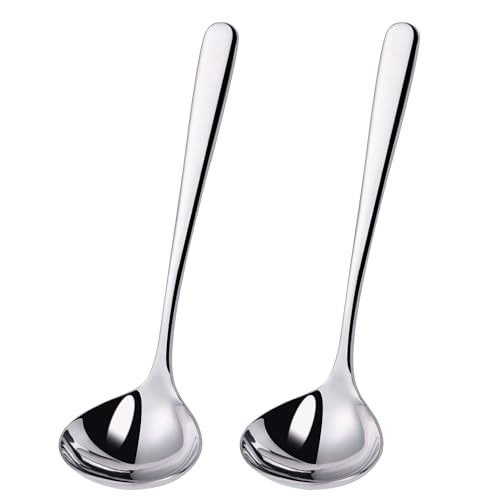
Mafier 2 oz. Soup Ladles SUS304 Stainless Steel Gravy Ladle for Serving,9.5 Inch Sauce Ladel Spoon(Silver)(Set of 2)
Well Crafted: The soup ladle is made of SUS304 stainless steel, heavy and sturdy, with smooth edges.
As an affiliate, we earn on qualifying purchases.
As an affiliate, we earn on qualifying purchases.

Mother Sauce: Italian American Family Recipes and the Story of the Women Who Created Them
As an affiliate, we earn on qualifying purchases.
As an affiliate, we earn on qualifying purchases.

Born in Dubai to Pakistani parents, Aisha deeply understands Middle Eastern and South Asian luxury markets. She excels in forging strategic partnerships with top-tier luxury brands worldwide, fostering cross-cultural collaborations that enhance our global presence.