
In specialty coffee processing, every step communicates a unique flavor story. You influence the final taste through fermentation techniques, microbial management, and drying methods. Controlling microbial activity during fermentation shapes aroma and flavor complexity, while the drying approach impacts aroma, stability, and profile. Both traditional and modern methods speak a language of precision and artistry, ultimately making each cup extraordinary. If you explore these techniques more, you’ll uncover how they reveal the true character of specialty coffee.

Get your wardrobe favorites delivered free with Prime
- Fast, free delivery on millions of items
- Prime Video, Amazon Music and more included
- Member-only deals all year
Key Takeaways
- Processing techniques, including fermentation and drying methods, uniquely shape the flavor and aroma profiles of specialty coffee.
- Controlled microbial activity during fermentation creates distinctive flavor characteristics and complexity in the final cup.
- The choice between traditional sun drying and mechanical methods influences aroma, sweetness, and overall quality.
- Precise management of fermentation and drying processes allows producers to communicate specific flavor intentions.
- Understanding these techniques unlocks the “secret language” behind the nuanced, exceptional qualities of specialty coffee.
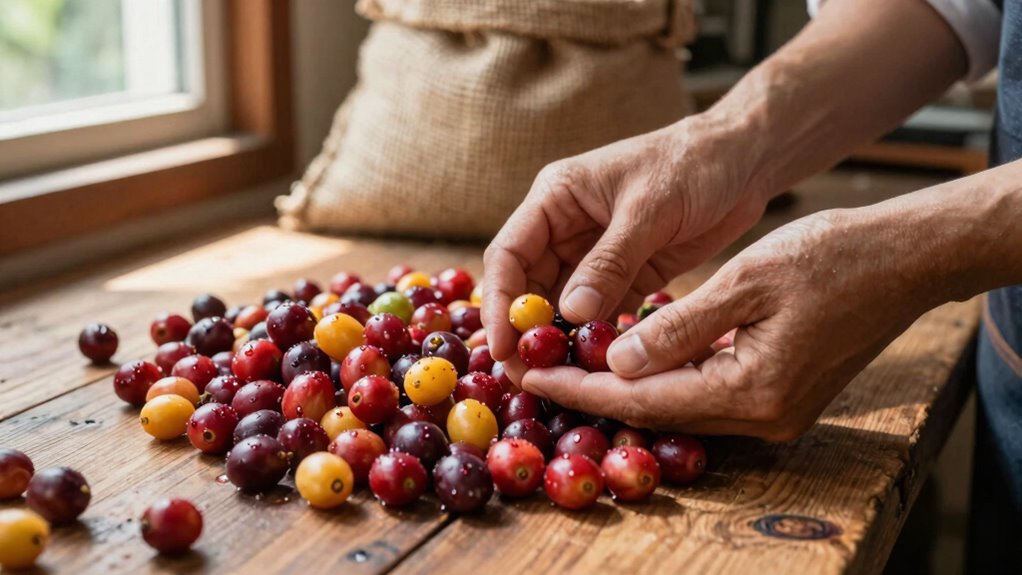
Have you ever wondered what sets specialty coffee apart from regular brews? A lot of it comes down to the intricate processing techniques that farmers and producers use. These steps influence flavor, aroma, and overall quality, making every cup a unique experience. Two essential aspects of this process are fermentation techniques and drying methods, each playing a key role in shaping the final product.
Fermentation techniques are where the magic begins. After harvesting, the beans are separated from the cherries, but the real transformation happens during fermentation. This step involves controlled microbial activity that breaks down sugars and pulp, developing complex flavors. Some producers use traditional methods, like wet fermentation, where beans are soaked in water, allowing natural enzymes and bacteria to work on them. Others experiment with more advanced techniques, such as anaerobic fermentation, where oxygen is limited, creating distinct flavor profiles that can range from fruity and bright to deeper, wine-like notes. By carefully managing fermentation, you can influence acidity, body, and aroma, giving each batch its own character. It’s a delicate dance, requiring precision and understanding of microbial behavior, but the results are often what elevate a coffee from good to extraordinary. Additionally, understanding the microbial activity involved in fermentation can help producers control flavor development, ensuring consistent and desirable outcomes. Recognizing the importance of microbial behavior in fermentation can further enhance quality control and product consistency.
Fermentation transforms beans, shaping flavor, aroma, and character through microbial magic and careful management.
Drying methods are just as fundamental and are the final step before the beans are ready to be roasted. The way beans are dried impacts their moisture content, stability, and flavor development. Traditional drying involves spreading the beans out in the sun on raised beds or patios, allowing natural heat and airflow to gradually reduce moisture. This method can impart subtle sweet and fruity notes but requires consistent monitoring to prevent over-drying or mold. Alternatively, mechanical drying uses specialized machines to control temperature and airflow precisely, ensuring uniform drying regardless of weather conditions. This approach minimizes risks and speeds up the process, but it can sometimes strip away delicate flavors if not carefully managed. Some producers also combine drying methods, using sun drying initially and finishing with mechanical drying to optimize flavor retention and consistency. The drying process’s nuances can make or break the quality of the beans, affecting their longevity and how they develop during roasting. Moreover, drying techniques can influence the final aroma and overall sensory profile of the coffee, highlighting the importance of choosing the right method. Developing a keen understanding of both traditional and modern drying techniques can lead to better control over the final product’s quality and flavor profile.
specialty coffee fermentation kit
As an affiliate, we earn on qualifying purchases.
As an affiliate, we earn on qualifying purchases.
Frequently Asked Questions
How Does Processing Impact Coffee Flavor Profiles?
Processing directly impacts your coffee’s flavor profiles by influencing fermentation techniques and drying methods. Fermentation develops complex, fruity, and sometimes tangy notes, while drying methods like sun-drying or mechanical drying affect the coffee’s sweetness and acidity. You can notice these effects in the final cup—longer fermentation often adds depth, and specific drying techniques can enhance brightness or body. Understanding these processes helps you select coffees with flavors that match your preferences.
What Equipment Is Essential for Specialty Coffee Processing?
You’ll want crucial equipment like a quality pulper, fermentation tanks, and drying beds to start. Keep in mind, equipment maintenance is essential to guarantee consistent results and smooth operations. As your process scales, invest in larger, more efficient machinery to handle increased volumes without sacrificing quality. These tools help you craft exceptional coffee, but remember, regular upkeep and thoughtful upgrades are key to maintaining your craft’s integrity and growth.
How Do Processing Methods Affect Coffee Sustainability?
Processing methods directly influence coffee sustainability by impacting environmental impact and economic viability. For example, washed processes use water efficiently, reducing environmental harm, while natural drying methods conserve energy and preserve bean quality, boosting economic value. Choosing eco-friendly techniques helps you minimize waste and resource use, ensuring the long-term viability of coffee production. By adopting sustainable processing, you support environmental health and secure your business’s economic future.
Can Processing Techniques Vary by Coffee Variety?
Yes, processing techniques do vary by coffee variety. You might find different fermentation methods and processing innovations tailored to specific beans to enhance flavor profiles. For example, certain varieties respond better to natural or honey processes, while others benefit from washed methods. These variations help bring out unique characteristics, allowing you to explore diverse flavor notes and textures based on the coffee’s origin and variety, making each cup a distinct experience.
What Are Common Processing Mistakes to Avoid?
You should avoid fermentation errors by controlling temperature and timing carefully, as over-fermentation can lead to off-flavors. Be mindful of drying mishaps, such as uneven or too-rapid drying, which can cause mold or cracks. Always monitor the process closely, maintain proper equipment, and follow best practices. These mistakes can compromise coffee quality, so staying attentive throughout processing guarantees your beans develop the desired flavor profile.
Conclusion
As you dive deeper into the world of specialty coffee processing, remember it’s like revealing a secret code, where each step reveals a new layer of flavor and complexity. Just as a master craftsman molds raw materials into art, your understanding transforms ordinary beans into extraordinary experiences. So, embrace the journey, savor each nuance, and let the intricate dance of processing elevate your coffee moments to something truly unforgettable.
Halloween Picks
halloween
As an affiliate, we earn on qualifying purchases.