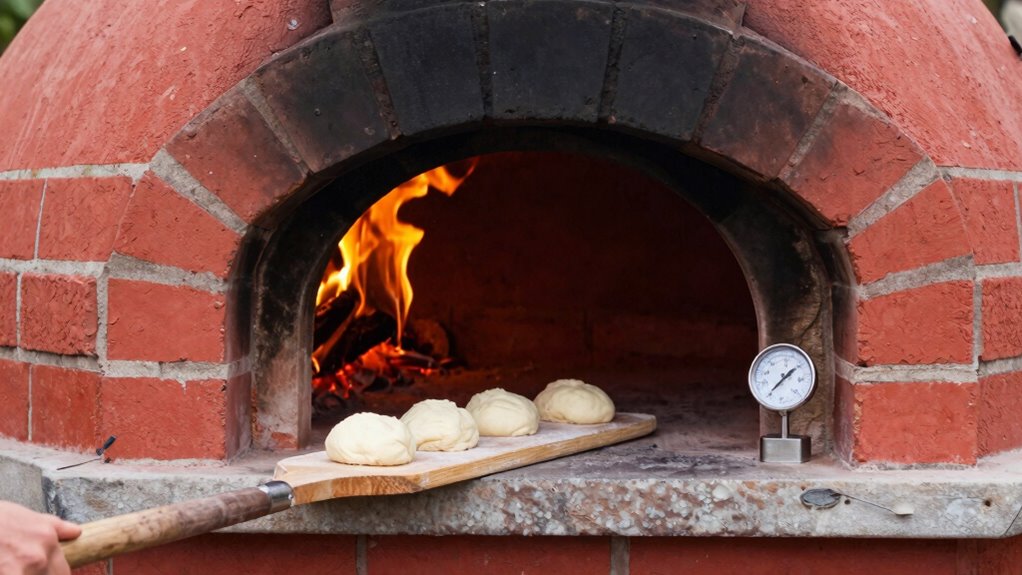

To master your outdoor pizza oven, start with your dough by balancing hydration and kneading properly for a chewy, crisp crust. Manage heat by controlling airflow and using insulation to reach temperatures of 700°F+ for quick, even baking. Timing is essential—look for bubbling cheese, golden crust, and internal temps around 200°F. If you want to perfect your skills and produce delicious results every time, keep exploring these essential tips.
Key Takeaways
- Use high-quality flour and precise hydration for ideal pizza dough with good gluten development.
- Preheat the oven and pizza stone thoroughly to ensure even cooking and proper crust formation.
- Manage heat with airflow control and insulation to maintain consistent temperature around 700°F+ for quick baking.
- Watch for visual cues like bubbly cheese and golden crust, and check internal temperature (~200°F) for doneness.
- Turn the pizza during cooking to promote even browning and avoid hot spots for perfect results.

Digital Infrared Thermometer gun for cooking,BBQ,Pizza oven,Ir Thermometer with Backlight,-58℉~932℉(-50℃~500℃) Handheld Non Contact Heat Laser Temperature Gun (Not for Human)
Temperature measurement range:-50℃-500℃ (-58℉-932℉)Display resolution: 0.1 ℃ or 0.1 ℉
As an affiliate, we earn on qualifying purchases.
As an affiliate, we earn on qualifying purchases.
What Are the Basics of Outdoor Pizza Ovens?
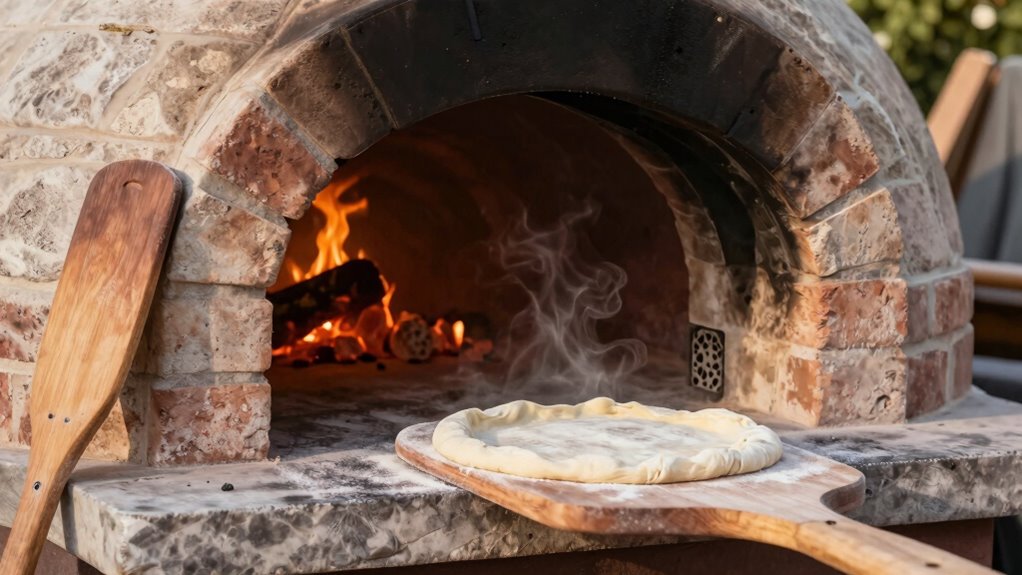
Outdoor pizza ovens are specialized appliances designed to cook pizzas quickly and evenly using high heat. The core of their function lies in the pizza oven materials, which include refractory bricks, stainless steel, or ceramic, all chosen for heat retention and durability. These materials help create the ideal cooking environment, reaching temperatures of 700°F or higher. To maximize performance, outdoor cooking accessories like pizza peels, thermometers, and covers are essential. They make handling the pizza easier and protect the oven from weather elements. Understanding these basics helps you appreciate how different materials and accessories work together to produce a perfect crust and toppings. Additionally, heat retention is crucial for consistent cooking results, ensuring your pizza is evenly baked every time. Proper insulation also plays a key role in maintaining high temperatures and energy efficiency. Selecting the right materials and accessories is vital for optimal cooking performance, which can enhance your outdoor pizza experience and help you achieve authentic, wood-fired-style pizza in your backyard. Furthermore, choosing the appropriate fuel type can significantly influence cooking speed and flavor.
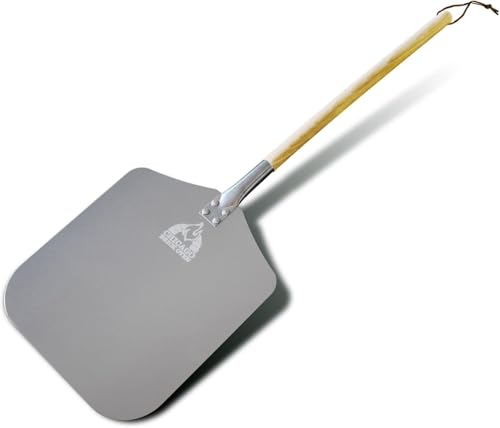
Chicago Brick Oven Pizza Peel 12" x 14", Pizza Paddle, 35.5" Long Aluminum Metal Pizza Peel with Detachable 21" long Wooden Handle, Pizza Turning Spatula, Pizza Shovel
EASY HANDLING: Pizza-making process is made easy with our 12-inch by 14-inch pizza turning peel. 21-inch detachable long…
As an affiliate, we earn on qualifying purchases.
As an affiliate, we earn on qualifying purchases.
How to Choose the Right Type of Pizza Oven for Your Backyard
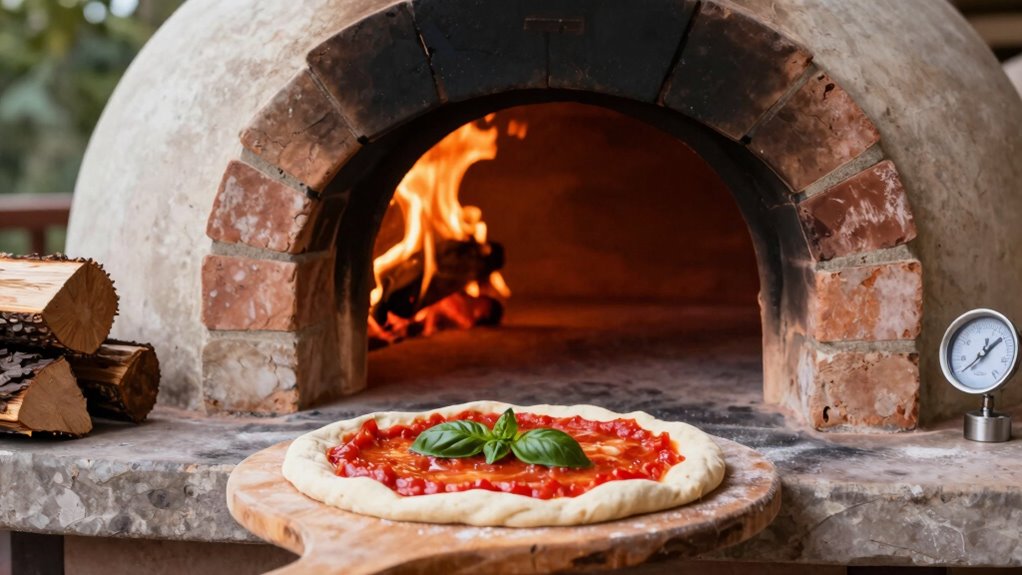
Choosing the right pizza oven for your backyard depends on your cooking needs, space, and budget. Consider the different pizza oven styles, such as portable, built-in, or freestanding units, to find what fits your backyard setup best. If you have limited space, a compact or countertop model might be ideal. For larger outdoor areas, a brick or masonry oven offers authenticity and high heat retention. Budget also plays a role; basic gas or electric models tend to be more affordable, while wood-fired ovens provide a traditional experience but require more investment. Assess how often you plan to cook pizza and your desired level of ease. Matching your cooking style with the oven’s features ensures you select a model that enhances your backyard and culinary experience. Additionally, understanding outdoor oven setups and proper placement can significantly improve your cooking results. Considering fuel types and ventilation needs is also crucial for safe and efficient operation. Exploring installation considerations can help you determine the best location and setup for your oven to maximize safety and performance. Being aware of safety precautions is essential to ensure your outdoor cooking area remains secure and enjoyable. Moreover, researching energy efficiency can help you choose an oven that minimizes environmental impact while maximizing performance.

Old Stone Round Pizza Stone, 16-Inch
Makes restaurant quality pizzas, bread, pastries and vegetables
As an affiliate, we earn on qualifying purchases.
As an affiliate, we earn on qualifying purchases.
How to Make Perfect Pizza Dough Every Time
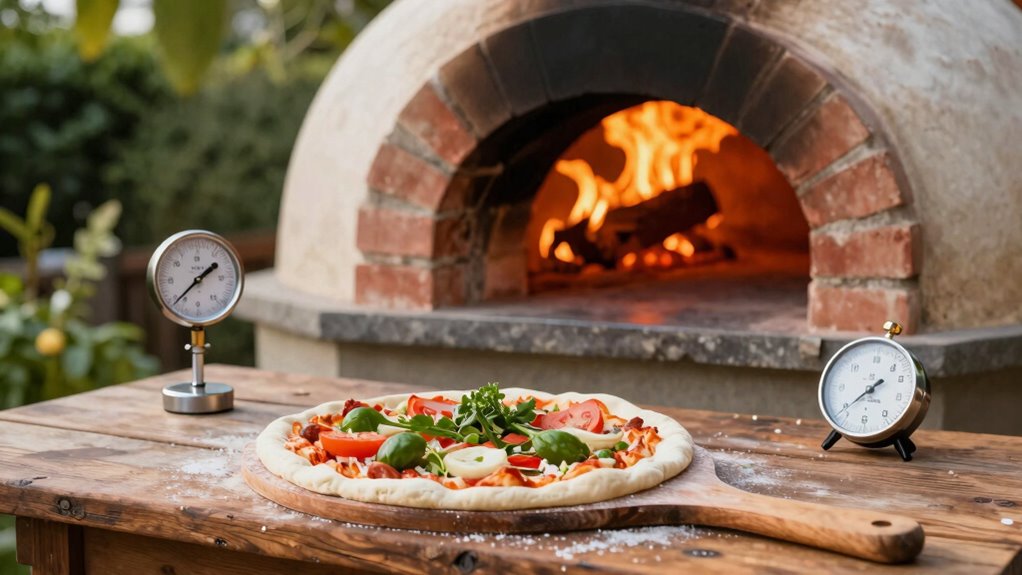
Getting your dough just right depends on balancing flour and hydration, so pay attention to the water-to-flour ratio. Proper kneading is key to developing gluten, which gives your crust its structure and chewiness. Mastering these techniques guarantees your pizza dough will turn out perfect every time.
Flour and Hydration Balance
Achieving the perfect pizza dough begins with understanding the critical balance between flour and hydration. The right hydration levels influence gluten development, which affects dough elasticity and chewiness. Too much water can make your dough sticky and hard to handle, while too little results in a dense crust. Use high-quality flour with sufficient protein content to support gluten formation. Measuring hydration precisely helps guarantee consistent results, especially when adjusting for different flours or environmental conditions. By maintaining proper hydration, you enable the dough to stretch smoothly and develop a light, airy structure. Additionally, understanding the best woods for farmhouse tables can inspire creative ways to enhance your outdoor pizza oven setup with rustic charm. Remember, balancing flour and water isn’t just about quantity—it’s about creating a dough that’s easy to work with and yields a delicious, well-textured crust every time. Grasping the importance of gluten development can also inspire experimentation and improvements in your baking process, especially when factoring in dough elasticity for optimal results.
Proper Kneading Techniques
Proper kneading is essential for developing gluten structure, which gives your pizza dough its strength and elasticity. To achieve the right dough consistency, use effective kneading techniques. Start by pressing the dough with the heel of your hand, folding it over, and turning it. Repeat this rhythm to develop gluten strands. Be mindful not to over-knead, which can make the dough tough. Here’s a quick guide:
| Step | Action | Tips |
|---|---|---|
| 1 | Push with heel of hand | Use firm, consistent pressure |
| 2 | Fold dough onto itself | Keep dough elastic |
| 3 | Rotate and repeat | Knead for 8-10 minutes |
Master these techniques for perfect dough every time. Developing gluten structure properly is key to achieving the ideal pizza crust texture. Understanding the kneading process helps ensure your dough develops the necessary elasticity and strength for a perfect bake. Additionally, paying attention to dough hydration can significantly influence the final result.

Wnanan Outdoor Pizza Oven Table Cover for Nuuk Three-Shelf Heavy Duty Rolling Outdoor Pizza Oven Table and ooni Pizza Oven Stand Modular Table,600D Heavy Duty Waterproof Cover,Black
PROTECT YOUR DINING CART – Keep your outdoor utility cart safe from the elements with these Wnanan dining…
As an affiliate, we earn on qualifying purchases.
As an affiliate, we earn on qualifying purchases.
How to Manage Heat in Your Outdoor Pizza Oven
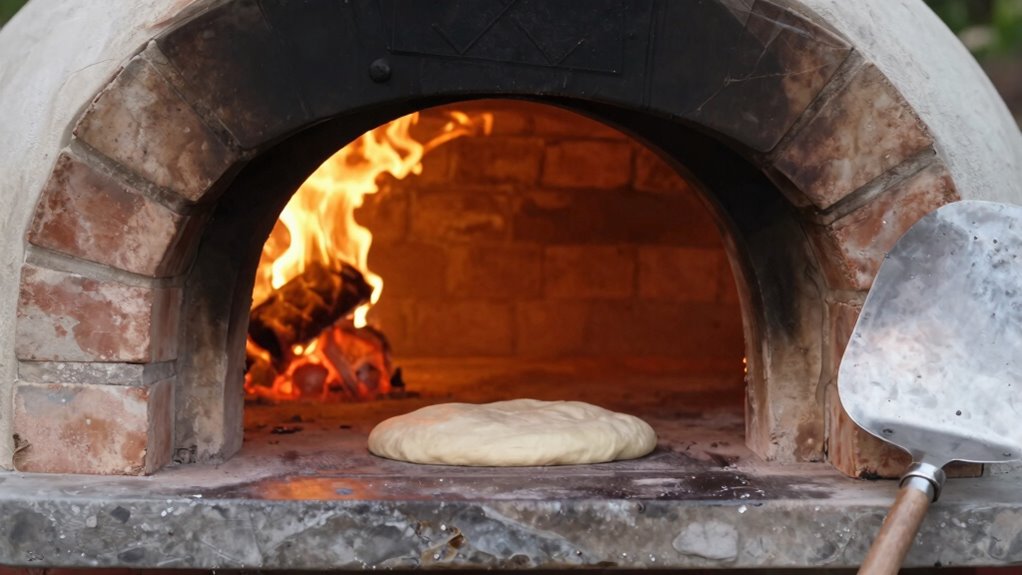
Managing heat in your outdoor pizza oven is essential for consistently perfect pies. Proper temperature regulation ensures your crust cooks evenly and toppings stay fresh. To control heat effectively, consider these key steps:
- Use insulation techniques, like firebricks or ceramic blankets, to retain heat and improve efficiency. Proper insulation helps maintain consistent temperatures and reduces fuel consumption. Additionally, selecting the right insulation materials can impact the oven’s overall heat retention capabilities.
- Manage airflow by adjusting the chimney or vents to increase or decrease oxygen intake, which influences temperature.
- Monitor the oven’s surface temperature with a infrared thermometer to make precise adjustments.
- Understanding the weight of your oven can help you plan for safe transportation and installation, ensuring proper setup for optimal heat retention. Additionally, knowing the oven’s weight aids in selecting appropriate support structures for stability and safety. Proper heat management is also essential for extending the lifespan of your oven and maintaining safety standards.
When Is Your Pizza Ready to Eat?
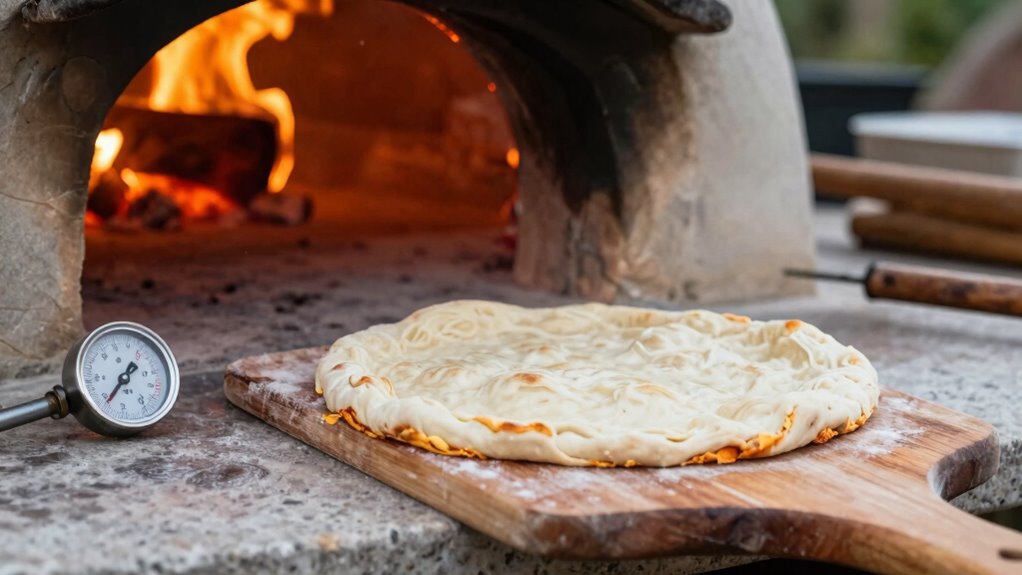
Knowing when your pizza is ready can be tricky, but look for visual cues like a bubbly, golden crust and melted cheese. Checking the internal temperature with a thermometer guarantees it’s cooked through—aim for around 200°F. Pay attention to the crust’s color and texture; it should be crisp and evenly browned before you take it out. Additionally, using a properly calibrated thermometer helps ensure accurate readings for a perfectly cooked pizza. Recognizing the ideal cooking temperature can help you achieve consistent results every time. Furthermore, understanding how dreams of loved ones or recurring themes relate to your emotional state can enhance your overall cooking experience by fostering patience and mindfulness.
Visual Cues for Readiness
As your pizza nears completion, visual cues become the most reliable indicators of doneness. Recognizing oven readiness and visual cues helps guarantee your pizza is perfectly cooked. Monitoring your pizza’s appearance allows you to make timely adjustments and ensures consistent results. The cheese should be bubbly and slightly browned, showing it’s melted evenly and cooked through. The edges should be crisp, and the bottom should have a firm, browned crust visible through the oven’s heat. Additionally, paying attention to oven temperature stability can help you achieve consistent baking results. These visual cues confirm your pizza’s oven readiness and help you avoid under or overcooking. Trusting what you see ensures a delicious, perfectly baked pizza every time.
Proper Internal Temperature
Once you’ve observed the visual cues indicating your pizza is nearly done, checking its internal temperature guarantees it’s cooked thoroughly and safe to eat. The ideal internal temperature for a properly cooked pizza is around 200°F to 210°F. Using a food thermometer, insert it into the center of the pizza, avoiding the crust and toppings for an accurate reading. Ensuring the correct internal temperature is vital for food safety, as it confirms the toppings, cheese, and dough have reached a temperature that kills harmful bacteria. Don’t rely solely on appearance; verifying internal temperature provides certainty that your pizza is cooked evenly and safely. Once the right temperature is reached, you can enjoy your pizza, knowing it’s both delicious and safe to consume.
Crust Color and Texture
When your pizza’s crust has achieved a golden-brown color and feels firm to the touch, it’s a strong sign that it’s ready to eat. Pay attention to crust texture and color, which reflect dough elasticity and crust thickness. A well-cooked crust should be crispy on the outside but still slightly chewy inside. Here are some tips:
- Look for an even, golden hue across the crust, indicating proper caramelization.
- Check the crust’s firmness; it should feel sturdy and not overly soft.
- Ensure the crust thickness is consistent, avoiding burnt edges or undercooked centers.
Mastering these signs helps you judge doneness accurately, ensuring your pizza is perfectly baked and delicious every time.
How to Use Proper Cooking Techniques for Crispy, Even Pizzas
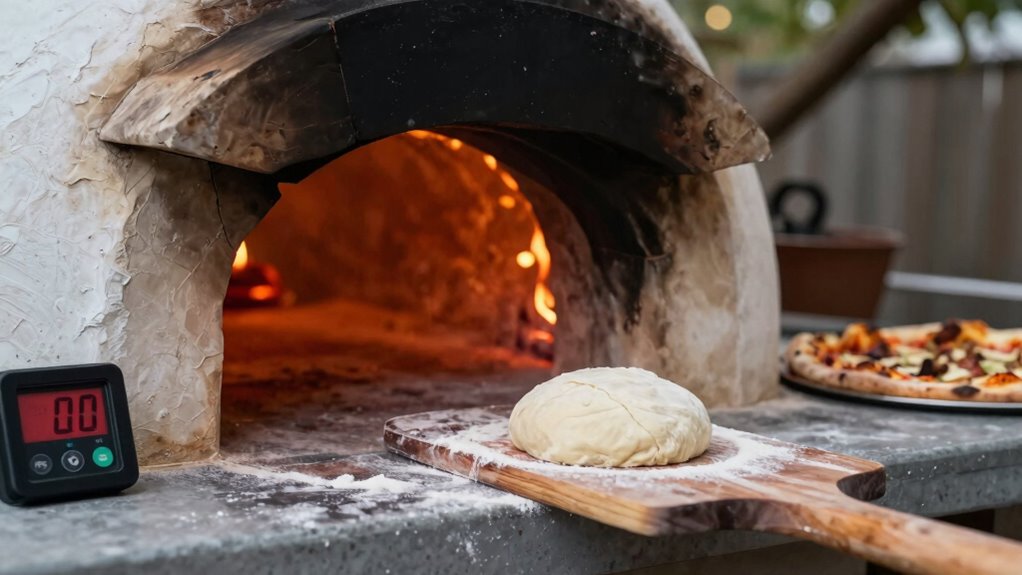
To achieve crispy, evenly cooked pizzas in your outdoor oven, mastering proper cooking techniques is essential. Start by preheating your pizza stone thoroughly, ideally 30-45 minutes, to guarantee even heat distribution. Use good oven insulation to retain consistent temperatures. Keep the pizza moving by turning it halfway through cooking to prevent hot spots. Adjust the oven’s heat and position your pizza for ideal results. Here’s a quick guide:
| Step | Tip | Result |
|---|---|---|
| Preheat oven | Use a pizza stone and oven insulation | Even heat for crisp crust |
| Monitor temperature | Maintain 700-800°F | Proper cooking environment |
| Rotate pizza | Turn halfway through | Even doneness |
| Use a pizza peel | Transfer smoothly | Prevents sogginess |
Implement these techniques for a perfect, crispy pizza every time.
Troubleshooting Common Pizza Oven Problems
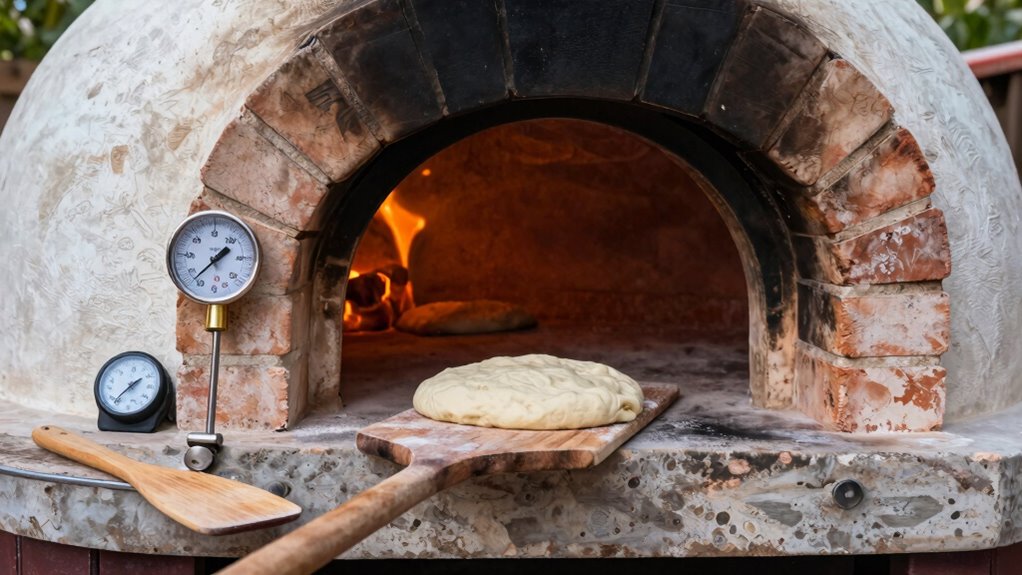
Even the best outdoor pizza ovens can encounter issues that disrupt perfect baking. If your pizza isn’t cooking evenly or your oven isn’t reaching the right heat, troubleshooting is key. First, check the oven insulation; poor insulation can cause heat loss and uneven temperatures. Second, verify your temperature calibration—use an infrared thermometer to ensure your oven’s heat matches the dial or built-in gauge. Third, inspect for drafts or gaps that may be letting heat escape. These issues often lead to inconsistent cooking results. Addressing insulation problems and calibrating the temperature correctly can restore ideal performance. Remember, maintaining your oven’s insulation and accurate temperature readings will help you achieve the perfect pizza every time.
Which Fuel Should You Use: Wood, Charcoal, or Gas?
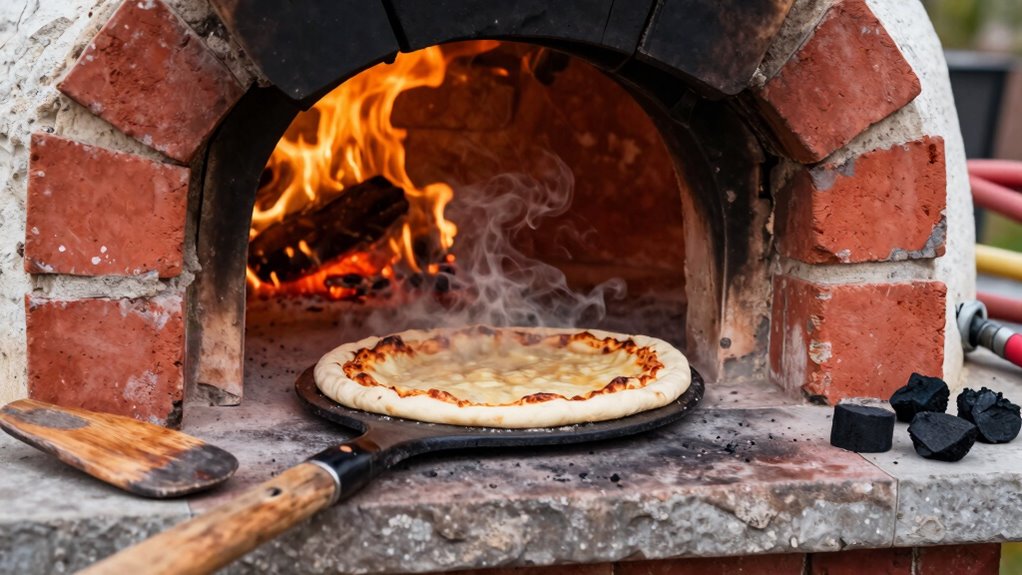
Choosing the right fuel affects your pizza’s flavor, heat control, and ease of use. Wood offers smoky richness, while gas provides quick, consistent heat with minimal fuss. Consider what matters most to you—taste, convenience, or maintenance—to pick the best fuel for your outdoor oven.
Flavor Profiles and Smoke
The type of fuel you select for your outdoor pizza oven markedly influences the flavor and smoke produced during cooking. Different fuels create unique smoke infusion, impacting your pizza’s taste and aroma. Here’s how each option contributes:
- Wood: Offers rich smoke infusion, providing deep, smoky flavors that enhance the dough’s natural taste.
- Charcoal: Delivers a balanced smoky aroma, with a cleaner burn that emphasizes flavor enhancement without overpowering.
- Gas: Produces minimal smoke, resulting in a cleaner taste but less smoke infusion for traditional smoky flavors.
Choosing your fuel depends on your flavor preferences. Wood is ideal for smoky, rustic pies, while gas suits those wanting a cleaner, subtler flavor profile.
Heat Control and Efficiency
When it comes to heat control and efficiency in your outdoor pizza oven, the type of fuel you choose plays a crucial role. Wood offers excellent temperature regulation, allowing you to create high, consistent heat for crispy crusts, but it requires more attention to maintain fuel efficiency. Charcoal provides steady heat and burns longer, making it a reliable option for consistent cooking. Gas fuels are the most efficient in terms of fuel consumption, offering precise temperature control at the turn of a knob, which helps you conserve fuel and achieve accurate cooking times. Each fuel type impacts heat control differently, so consider your needs for ease, flavor, and efficiency. Selecting the right fuel ensures better temperature regulation and maximizes your oven’s fuel efficiency.
Ease of Use and Maintenance
Your choice of fuel not only affects heat control but also impacts how easy it is to operate and maintain your outdoor pizza oven.
- Wood ovens require regular cleaning to remove ash and soot, and their cover needs occasional maintenance to prevent weather damage.
- Charcoal ovens demand a consistent cleaning schedule to clear ash buildup, and covers should be checked for tears to protect against the elements.
- Gas ovens are the simplest to maintain, with minimal cleaning—usually just wipe-downs—and their covers typically last longer if kept in good condition.
Safety Tips for Operating and Maintaining Your Pizza Oven
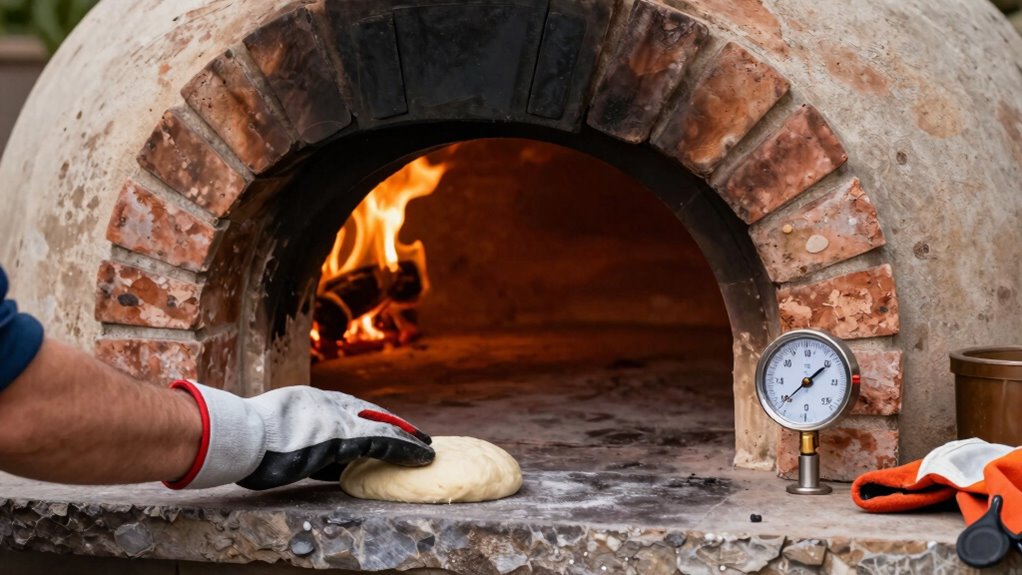
Operating your outdoor pizza oven safely starts with understanding proper handling and maintenance procedures. Always follow the manufacturer’s instructions to guarantee oven safety and prevent accidents. Regular maintenance tips include inspecting the oven for cracks, rust, or damage before each use, and cleaning out ashes and debris to promote proper airflow. Use heat-resistant gloves when handling hot surfaces or adding fuel, and keep a fire extinguisher nearby in case of emergencies. Never leave the oven unattended while in use, especially when operating at high temperatures. Store fuels and tools away from the oven’s heat zone. By practicing these safety tips, you’ll protect yourself and prolong your oven’s lifespan, ensuring a safe and enjoyable outdoor cooking experience.
How to Experiment With Toppings and Create Your Signature Pizza
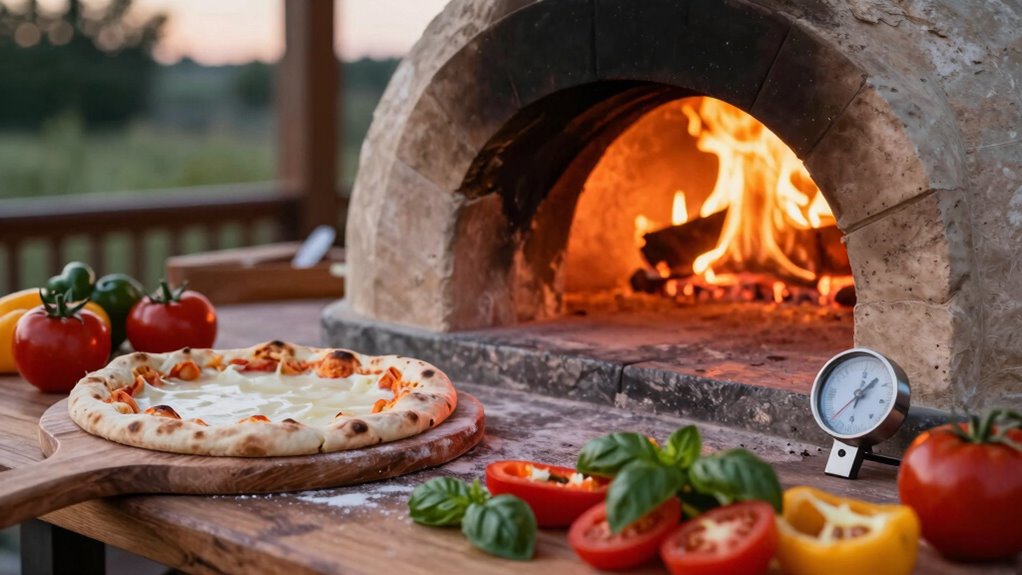
Once you’ve mastered the fundamentals of safe and proper oven use, it’s time to get creative with your toppings. Exploring creative toppings allows you to express your flavor experimentation skills and develop a signature pizza. Start with simple combinations to find what works best for your palate. Here are some ideas:
Unleash your creativity with unique toppings to craft your perfect signature pizza.
- Mix sweet and savory, like figs, prosciutto, and goat cheese.
- Experiment with different sauces—pesto, white sauce, or spicy chili oil.
- Play with unique ingredients such as roasted vegetables, fresh herbs, or exotic cheeses.
Try layering flavors and textures to discover new tastes. Don’t be afraid to try unconventional pairings—this is how you craft your perfect, signature pizza. Enjoy the process and make each pizza uniquely yours!
Frequently Asked Questions
How Do I Clean and Maintain My Outdoor Pizza Oven?
To keep your outdoor pizza oven in top shape, follow a regular cleaning schedule and maintenance tips. After each use, remove ashes and food debris, then wipe down surfaces with a damp cloth. Periodically check for cracks or damage, and clean the chimney to prevent buildup. Cover your oven when not in use to protect it from the elements. Consistent cleaning and maintenance guarantee your oven stays efficient and lasts longer.
What Are the Best Types of Wood or Fuel for Flavor?
You should choose hardwoods like oak, maple, or hickory for wood selection, as they burn longer and add rich, smoky flavor to your pizza. Avoid softwoods like pine, which can produce unpleasant tastes. For fuel types, consider using quality wood pellets or seasoned logs to guarantee consistent heat and flavor. These options deliver a balanced smoky aroma, enhancing your pizza experience without overpowering the ingredients.
How Can I Prevent Smoke and Odors During Cooking?
Think of your outdoor pizza oven as a symphony, where smoke and odors are off-key notes. To keep the melody pure, use ventilation tips like installing a chimney or vent. Apply smoke control techniques such as controlling airflow and choosing the right wood. Keep the fire steady and avoid excess wood. This way, you’ll enjoy delicious pizza without unwanted smoke, letting your culinary performance shine brightly.
What Accessories or Tools Are Essential for Outdoor Pizza Making?
To make outdoor pizza crafting easier, you should invest in a sturdy pizza peel and a sharp pizza cutter. The peel helps you slide the dough into the oven and retrieve your pizza easily, preventing burns. The cutter ensures clean slices without mess. These essential tools streamline your process, making pizza making more fun and efficient, especially when working with high heat and delicate dough.
How Do I Store My Pizza Oven During Off-Season Months?
You should store your outdoor pizza oven during off-season months by covering it with a weatherproof cover that offers UV protection and is durable. Additionally, consider insulation methods like wrapping the oven or using insulating blankets to prevent temperature damage. Make sure the oven is clean and dry before storage, and store it in a sheltered area if possible. Proper storage guarantees your oven stays in great condition for next season.
Conclusion
Now that you know the basics of outdoor pizza ovens—dough, heat, and timing—you’re ready to craft mouthwatering pies right in your backyard. With patience and a little practice, you’ll master the art, turning your outdoor space into a pizzeria. Think of it as your own culinary renaissance, where each pizza is a masterpiece. So, grab your ingredients and fire up that oven—delicious adventures await, just like the great pizza parlors of yore!