Different olive varietals offer distinct flavor notes that you’ll notice in your olive oil. For example, Italian oils often have herbaceous, fruity, and slightly bitter tastes, while Spanish varieties tend to be bold and peppery. Calfornian oils are usually milder with nutty or buttery undertones. The flavor profile depends on factors like regional climate, soil, and processing methods. Exploring these varietals will help you better understand each oil’s unique character and how to use them in your cooking.
Key Takeaways
- Different olive varieties contribute unique flavor notes, such as fruity, grassy, bitter, or peppery profiles.
- Regional growing conditions, including climate and soil, influence the specific flavor characteristics of each varietal.
- Production techniques like cold-pressing help preserve distinctive varietal flavors and aromatic nuances.
- Some common varietals, like Arbequina or Picual, are known for their specific flavor profiles and aromatic qualities.
- Understanding varietal influences aids in selecting olive oils suited for particular culinary uses and taste preferences.

Have you ever wondered what makes different olive oils distinct? One key factor is the variety of olives used, but equally important are the olive oil production methods and regional flavor profiles. These elements shape the taste, aroma, and overall character of each bottle you enjoy. When you explore different olive oils, you’ll notice that some are grassy and peppery, while others are buttery or fruity. These differences come from the unique ways the olives are grown, harvested, and processed, all influenced by the region’s climate, soil, and traditional practices.
Olive oil production methods play a pivotal role in determining flavor. For instance, cold-pressed or extra virgin olive oils are made from olives that are pressed without heat or chemicals, preserving more of their natural flavors and antioxidants. Some producers employ modern mechanized techniques, which can influence the oil’s clarity and freshness, while traditional methods often involve hand-harvesting and stone grinding, imparting a rustic, robust character. The method used impacts not just the flavor but also the aroma, texture, and shelf life of the oil. For example, oils produced through cold-pressing tend to have a vibrant, intense flavor, emphasizing the fresh, green notes of the olives.
Cold-pressed oils preserve fresh, green flavors and antioxidants, highlighting vibrant, intense taste and aroma.
Regional flavor profiles are another essential aspect of olive oil identity. Different regions cultivate specific olive varieties that develop unique taste characteristics based on local environmental factors. For example, oils from the Mediterranean, such as those from Italy or Greece, often have herbaceous, fruity, and sometimes slightly bitter notes. In contrast, oils from Spain might lean toward a more robust and peppery profile, while those from California tend to be milder, with buttery and nutty undertones. These regional distinctions are shaped by climate conditions, soil types, and traditional farming practices that influence the olive trees’ growth and fruit development.
As you taste various olive oils, pay attention to these regional nuances and production influences. Recognize that the flavor profile you experience is a combination of the olive variety, how it’s processed, and where it’s from. This knowledge enriches your appreciation for the complexity behind each bottle and helps you choose the right oil for your culinary needs. Whether you’re drizzling it over a salad, dipping bread, or finishing a dish, understanding these factors allows you to select an olive oil that best complements your palate and enhances your cooking experience.
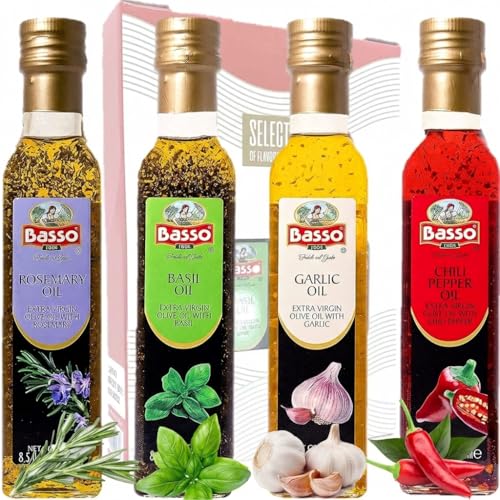
BASSO 1904 – Infused Extra Virgin Olive Oil Gift Box Set, First Cold Pressed, Variety Pack, 4 bottles x 8.5 fl.oz (250ml), Naturally Infused for Dipping & Tasting
Each Bottle is naturally infused with Italian grown spices
As an affiliate, we earn on qualifying purchases.
As an affiliate, we earn on qualifying purchases.
Frequently Asked Questions
How Should I Store Different Olive Oil Varietals for Best Freshness?
To keep your olive oil fresh, you should store different varietals in a cool, dark place away from heat and light. Proper storage involves using airtight containers, preferably dark glass bottles, to prevent oxidation. Avoid storing near the stove or in the fridge, as temperature fluctuations can spoil the oil. By following these tips, you’ll guarantee ideal olive oil preservation and maintain its vibrant flavor for longer.
Can Blending Olive Oil Varietals Enhance Flavor Complexity?
You might find that blending olive oil varietals naturally enhances flavor complexity, creating a richer, more nuanced profile. By experimenting with blending techniques, you can achieve flavor enhancement that highlights individual varietals’ unique notes while adding depth. This coincidence of flavors can elevate your culinary experience, allowing you to craft personalized oils that balance bitterness, fruitiness, and pepperiness, making each dish more sophisticated and memorable.
Which Olive Oil Varietals Are Best Suited for Cooking Versus Finishing Dishes?
For cooking, you want robust, high-smoke-point olive oil varietals like Picual or Arbequina, which can handle heat and add depth. For finishing dishes, opt for delicate, fruity oils such as Frantoio or Coratina, that enhance flavor pairing without overpowering. Use cooking oils during the heat, then drizzle finishing oils over salads, grilled vegetables, or pasta to highlight their nuanced flavors and elevate your dish.
How Do Regional Climates Influence Olive Oil Flavor Profiles?
Regional climates, especially the Mediterranean terroir, markedly influence olive oil flavor profiles. You’ll notice that warmer, sunnier climates produce fruitier, more robust oils with vibrant green or ripe fruit notes. Conversely, cooler or wetter regions tend to yield milder, more delicate oils with subtle grassy or nutty flavors. The climate impact shapes the oil’s aroma and taste, giving each region its unique character that you can enjoy and explore in every bottle.
Are There Any Health Benefits Unique to Specific Olive Oil Varietals?
Sure, some olive oil varietals claim to have unique health perks, but really, it’s all about those antioxidant levels. You can’t go wrong with extra virgin, which boosts heart health benefits regardless of the type. Yet, if you’re feeling fancy, certain varietals like Koroneiki or Arbequina might pack a slightly higher antioxidant punch, making your salad a little more glamorous and a lot healthier. Cheers to olive oil’s subtle superiority!
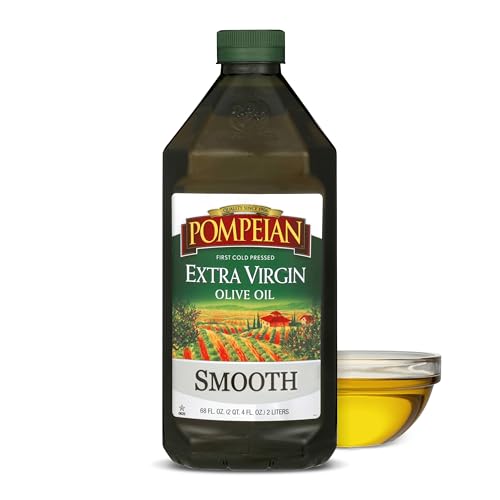
Pompeian Smooth Extra Virgin Olive Oil, Contains Polyphenols, First Cold Pressed, 68 Fl Oz
SMOOTH EXTRA VIRGIN OLIVE OIL: Expertly crafted by The Olive Oil People, this extra virgin olive oil is…
As an affiliate, we earn on qualifying purchases.
As an affiliate, we earn on qualifying purchases.
Conclusion
Now that you know about the incredible world of olive oil varietals and flavor notes, get ready to transform every dish you touch. With each drizzle, you’ll discover a universe of flavors so rich, so vibrant, it’ll make your taste buds sing like a choir of angels. Don’t settle for boring—dive into these extraordinary oils and elevate your cooking to legendary status. Your palate will thank you, and your meals will never be the same again!
BASSO 1904 – Infused Extra Virgin Olive Oil Gift Box Set, First Cold Pressed, Variety Pack, 4 bottles x 8.5 fl.oz (250ml), Naturally Infused for Dipping & Tasting
Each Bottle is naturally infused with Italian grown spices
As an affiliate, we earn on qualifying purchases.
As an affiliate, we earn on qualifying purchases.

Colavita Premium Selection Extra Virgin Olive Oil 34 Oz Bottle
Premium Italian Quality: Colavita Premium Selection EVOO is cold-pressed from carefully selected Italian olives for a smooth, balanced…
As an affiliate, we earn on qualifying purchases.
As an affiliate, we earn on qualifying purchases.

Born in Dubai to Pakistani parents, Aisha deeply understands Middle Eastern and South Asian luxury markets. She excels in forging strategic partnerships with top-tier luxury brands worldwide, fostering cross-cultural collaborations that enhance our global presence.