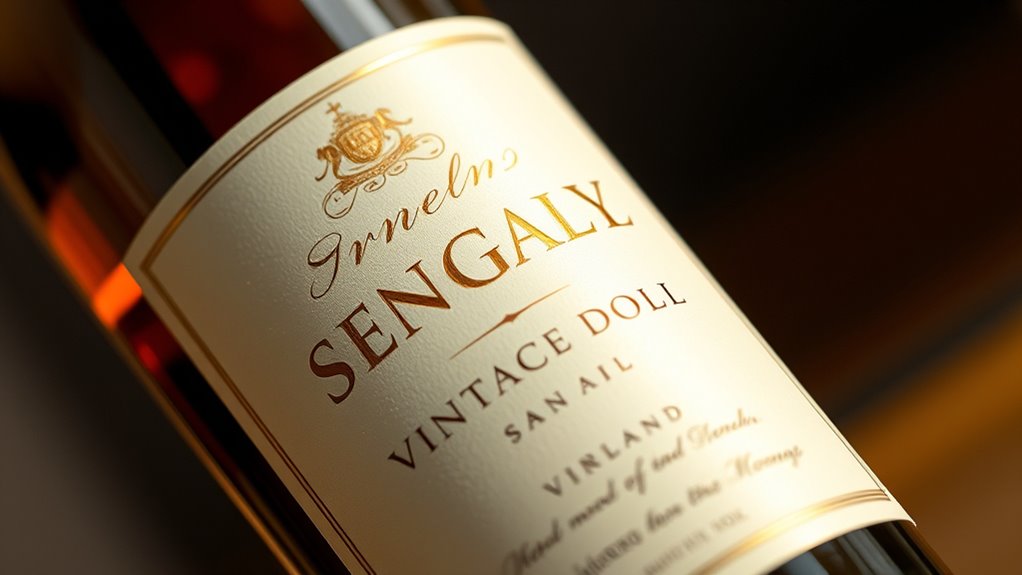
When you look at a wine label, start by noting the grape variety, which reveals flavor profiles and style. Check the winery name and region to understand its origin and reputation. Look for alcohol content to gauge the wine’s body and intensity. Additional notes or suggestions can help you match it with food or occasions. If you keep exploring, you’ll discover even more about what makes each bottle unique and enjoyable.
Key Takeaways
- Identify the grape variety to understand the wine’s flavor profile.
- Check the winery or vineyard name for origin and reputation context.
- Examine the region or appellation to gauge climate and terroir influences.
- Note the alcohol content to determine the wine’s body and intensity.
- Read additional notes for tasting suggestions and pairing ideas.
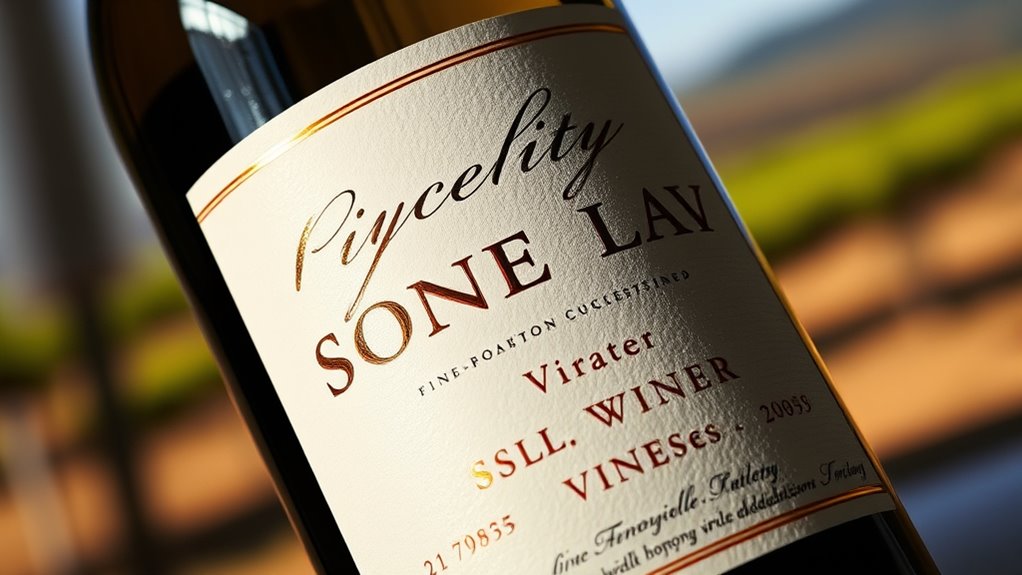
When you pick up a bottle of wine, understanding the label can seem overwhelming, but it’s easier than you think. The key is to know what to look for and how to interpret the information. Labels typically offer details about grape varieties, winery history, region, alcohol content, and sometimes tasting notes. Starting with grape varieties is a good entry point because they tell you what kind of wine you’re drinking. For example, if you see “Cabernet Sauvignon,” you know it’s a red wine with bold tannins and dark fruit flavors. If it’s “Chardonnay,” expect a white wine that can range from crisp and citrusy to buttery and full-bodied. Recognizing these grape varieties helps you select wines that match your taste preferences.
Next, understanding winery history can give you insight into the wine’s origin and quality. Some labels feature the name of the winery or vineyard, which often indicates the wine’s style and reputation. Established wineries with a long history tend to produce consistent, high-quality wines because they’ve refined their techniques over time. Small or family-run wineries might focus on unique, artisanal approaches, offering a different experience. When you see a winery’s name, you can research its background, traditions, and production methods, enriching your appreciation for the wine. This background often hints at the region’s climate and soil, which influence the wine’s characteristics.
Region is another essential aspect. Labels usually specify the appellation or geographic origin, such as Napa Valley, Bordeaux, or Tuscany. These regions have specific climates and soils that impact grape growing and, subsequently, the wine’s flavor profile. Knowing the region helps set expectations for the style and quality of the wine. Alcohol content is also listed, typically around 12-15%, indicating the wine’s body and intensity. Higher alcohol wines tend to be fuller-bodied, while lower alcohol wines might be lighter and more invigorating.
Finally, some labels include tasting notes or suggested pairings, but these are optional. They can guide you in choosing wines for particular occasions or dishes. By focusing on grape varieties and winery history, you gain a solid foundation for understanding what’s in your glass. For example, understanding the neurobiological factors behind emotional regulation in BPD can help you appreciate the complexities of wine production and regional influences. Over time, as you learn to read labels more fluently, selecting wines becomes more intuitive, making your wine experience more enjoyable and tailored to your preferences.
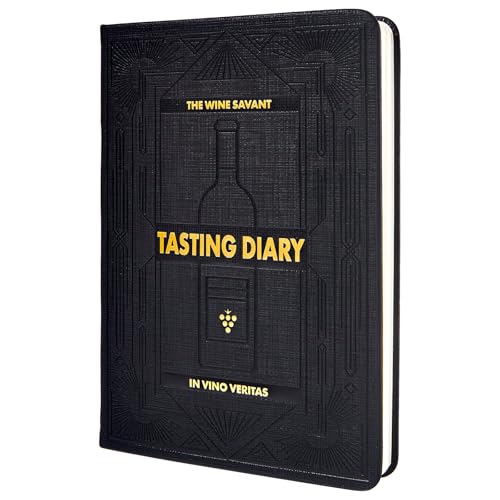
Wine Tasting Journal Guided Tasting Notes Book & Checklist (5" x 7" B6 Black Notebook) – 5 Step Guide & Tasting Log Methods – Aroma, Appearance, Finish, Structure, Remarks & Wines Ratings & Color Card
The Wine Savant’s Wine Journal is the quintessential companion for both novice enthusiasts and seasoned connoisseurs looking to…
As an affiliate, we earn on qualifying purchases.
As an affiliate, we earn on qualifying purchases.
Frequently Asked Questions
How Can I Tell the Wine’s Age From the Label?
You can tell a wine’s age by looking for the vintage year on the label. This year indicates when the grapes were harvested, giving you a clue about the wine’s bottle age. Subtract the vintage year from the current year to estimate its age. Keep in mind, some wines are meant to age longer, so knowing the vintage helps you judge whether the wine is young or mature.
What Does the Alcohol Percentage Indicate About the Wine?
The alcohol percentage indicates the wine’s alcohol content, revealing its strength and character. A higher percentage means a more potent pour, often resulting in a bolder, more robust taste. Conversely, lower alcohol levels suggest a lighter, softer sip. This detail helps you gauge how the wine might pair with food or suit your personal palate. Pay attention to this number to better understand the wine’s overall profile and potential enjoyment.
Are There Regional Labeling Differences I Should Know?
Regional labeling differences matter because they reflect varying standards and terminology. You should be aware that labeling standards differ by region, like DOC in Italy or AOC in France, which indicate quality and origin. Regional terminology helps you understand the wine’s provenance and style. Always check for these terms on the label, as they guide you in choosing wines that match your preferences and ensure authenticity.
How Do I Identify Organic or Sustainable Wines on the Label?
Did you know the organic wine market grew over 20% last year? To spot organic or sustainable wines, check for organic certification labels, like USDA Organic, on the bottle. Also, look for sustainable farming logos, which indicate eco-friendly practices. These symbols help you choose wines made with environmentally conscious methods, ensuring you enjoy quality wine while supporting sustainable agriculture.
Can I Determine the Sweetness Level From the Label?
You can’t always determine the sweetness level directly just from the label, but sweetness clues are hidden in label terminology. Look for words like “dry,” “semi-sweet,” “off-dry,” or “sweet” to gauge the wine’s sweetness. If the label lists residual sugar grams, you’ll get an exact measurement. Keep in mind, some regions use different terms, so understanding these clues helps you pick wines that match your taste preferences.

KORCCI Wine Opener, Heavy-Duty Zinc Alloy Wing Corkscrew, Premium Beer Bottle Opener, Multifunctional Wine Accessories with Ergonomic Handle and Sharp Screw, for Kitchen, Bar, Restaurant, Bartenders
[PREMIUM MATERIAL]: The multifunctional wine opener is made of high quality zinc alloy, heavy duty, ensuring longer durability…
As an affiliate, we earn on qualifying purchases.
As an affiliate, we earn on qualifying purchases.
Conclusion
Now that you know how to read a wine label, you hold the power to open a world of flavors and stories in every bottle. With this knowledge, you’ll never be clueless at a wine shop or dinner again—you’re practically a wine detective! Remember, understanding labels transforms a simple sip into an unforgettable experience. So go ahead, impress your friends, and savor each glass like it’s a treasure chest of liquid gold. Cheers to your newfound wine wisdom!

Wlasss Wine Decanter, 1100ml /37.2oz Red Wine Decanter, Hand Blown Lead-Free Crystal Wine Carafe, Small Decanter for White and Red Wine, Elegant Design Easy Pour, Wine Gifts for Christmas
Optimal Size: This crystal wine decanter has a capacity of 1100 ml or 37.2 ounces. The large base…
As an affiliate, we earn on qualifying purchases.
As an affiliate, we earn on qualifying purchases.

WOTOR Wine Saver Vacuum Pump with 4 Stoppers, Wine Stopper & Preserver, Reusable Bottle Sealer Keeps Fresh, Ideal Accessories Gift (Flat Handle)
【Preserves Wine for Up to Ten Days】: Our unique design ensures that your wine stays fresh for up…
As an affiliate, we earn on qualifying purchases.
As an affiliate, we earn on qualifying purchases.

Born in Dubai to Pakistani parents, Aisha deeply understands Middle Eastern and South Asian luxury markets. She excels in forging strategic partnerships with top-tier luxury brands worldwide, fostering cross-cultural collaborations that enhance our global presence.