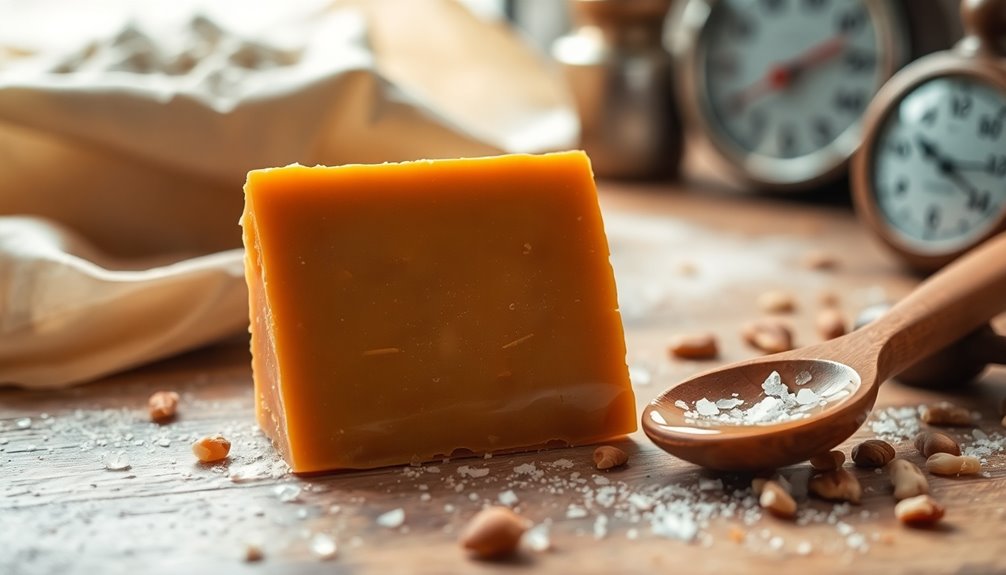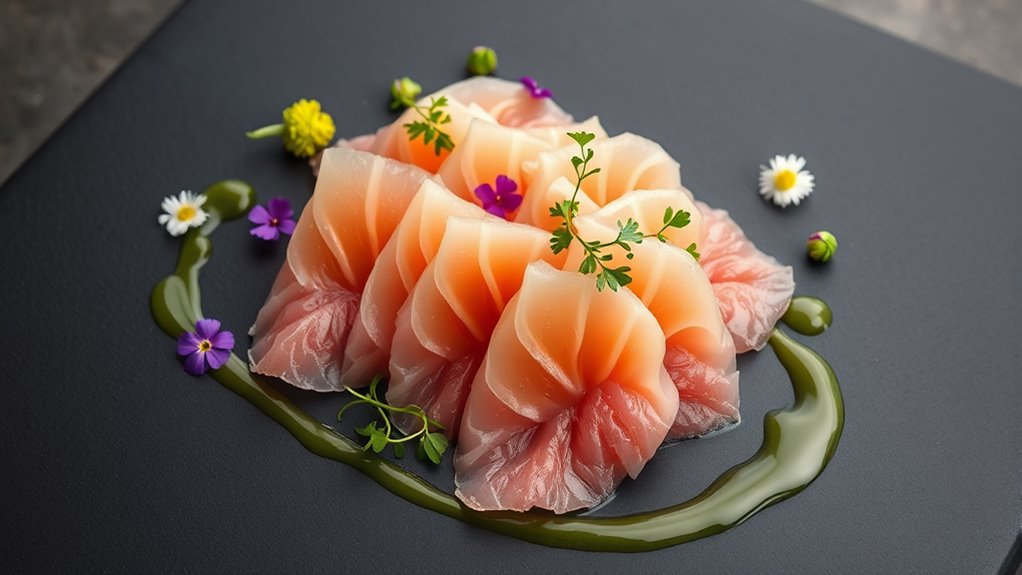

To improve your food plating skills, focus on simple techniques like creating clean lines with sauces using squeeze bottles, stacking ingredients for added height, and applying strategic placement based on the rule of thirds. Use fresh garnishes like herbs or microgreens to add color contrast and visual interest, making sure they enhance rather than overpower the dish. Remember, a balanced composition creates harmony, and thoughtful finishing touches can elevate any meal—discover more ways to impress with your plating skills.
Key Takeaways
- Use garnishes sparingly to add flair without overpowering the main ingredients.
- Focus on color contrast to create visual interest and highlight key components.
- Apply clean lines and precise placement for a professional, polished look.
- Create focal points by positioning main elements along imaginary thirds and adding height.
- Maintain balance and harmony on the plate through thoughtful composition and complementary elements.
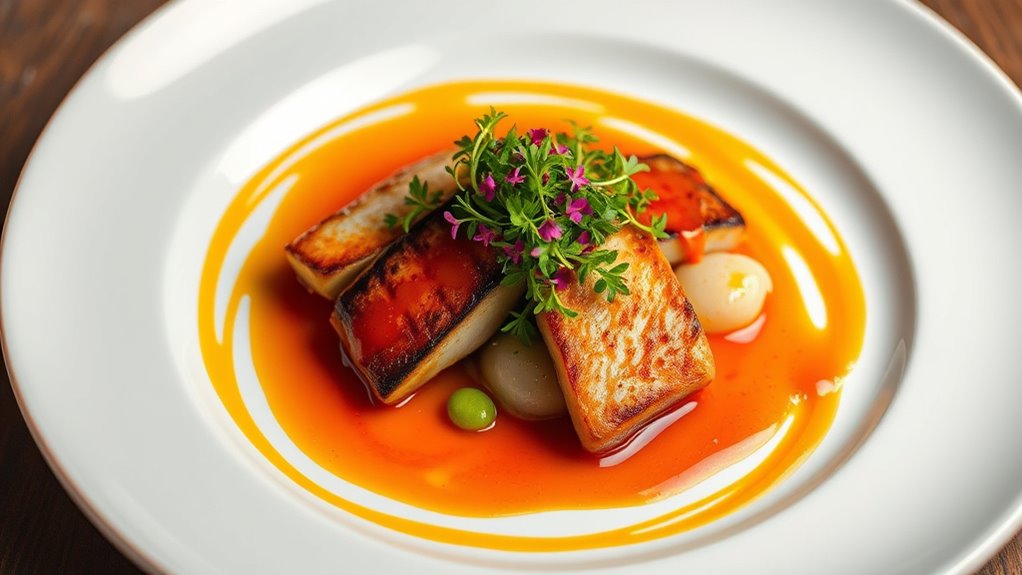
Food plating is an essential skill that transforms a simple dish into a visual masterpiece, capturing diners’ attention before they even take their first bite. One of the easiest ways to elevate your plating game is by mastering garnishing tricks. These small finishing touches add flair and sophistication to your presentation. Think fresh herbs, edible flowers, or a drizzle of sauce that complements the dish. Garnishes should enhance, not overpower, so choose items that balance well with your main ingredients. Use them sparingly but purposefully to create focal points and add texture. When you add a sprig of parsley or a twist of lemon peel, you’re not just decorating—you’re creating visual harmony.
Color contrast is another fundamental element that can make your plates pop. It’s not just about choosing pretty colors; it’s about creating a striking juxtaposition that draws the eye. If your main dish has earthy tones, consider bright, vibrant garnishes like red cherry tomatoes or green microgreens. Conversely, if your dish is colorful, opt for more subdued garnishes to provide balance. The goal is to make each component stand out while working together cohesively. Think of your plate as a canvas—use contrasting colors to guide the eye and highlight the most important parts of the meal.
You don’t need complex techniques to achieve a professional look. Instead, focus on clean lines and thoughtful placement. For instance, using a squeeze bottle for sauces allows you to create precise lines or dots that add visual interest. Stacking ingredients in a way that creates height also adds dimension, making the dish more dynamic. When plating, consider the rule of thirds: imagine dividing your plate into three sections and position your focal point along these lines. This technique naturally leads the eye and creates a balanced composition.

Norcalway 12 oz Condiment Squeeze Bottles for Sauces – Leak Proof Oil, Syrup, Dressing Squirt Bottles – 3 Pack
Leak-proof Cap: Our condiment squeeze bottles are built with a high-tech leak-proof design. Perfect as oil bottle, syrup…
As an affiliate, we earn on qualifying purchases.
As an affiliate, we earn on qualifying purchases.
Frequently Asked Questions
How Do I Choose the Right Plate for My Dish?
You should choose a plate that complements your dish by considering its size and color. Pick a plate that’s not too large, so your food looks abundant, or too small, to avoid overcrowding. Opt for a color that enhances your dish’s colors—neutral tones work well for vibrant foods, while bold colors can make simpler dishes pop. This balance guarantees your presentation is striking and appetizing.
What Tools Are Essential for Professional Plating?
To achieve professional plating, you need essential tools like tweezers, squeeze bottles, and palette knives for precise utensil selection. These tools help you follow plating standards, ensuring clean lines and perfect presentation. A small offset spatula is great for spreading sauces, while a piping bag adds finesse. Keep your workspace organized and invest in high-quality tools to elevate your plating game and impress diners with your culinary artistry.
How Can I Improve Color Contrast in Plating?
Imagine your plate as a canvas and colors as your paint. To improve color contrast, focus on creating color harmony while adding accent colors that pop. Use vibrant vegetables or sauces against neutral backgrounds to draw the eye. Play with complementary colors for striking contrast, and balance bold hues with softer shades. This approach makes your dish visually stunning, turning ordinary plating into edible art that invites diners to plunge in.
What Are Common Mistakes to Avoid in Plating?
You should avoid common plating mistakes like neglecting garnish selection, which can distract from the dish, and ignoring plating symmetry, making the presentation look unbalanced. Don’t overcrowd the plate, and guarantee your elements are proportionate. Keep your lines clean and avoid smudges or spills. Remember, simplicity often enhances visual appeal. Focusing on these details ensures your plating looks professional and appetizing, elevating the overall dining experience.
How Do I Keep Plated Food Looking Fresh?
To keep plated food looking fresh, focus on garnishing tips like adding herbs or citrus zest just before serving. Use vibrant colors and simple plating styles that highlight the dish’s natural appeal. Keep sauces and accouterments neat and avoid overcrowding the plate. Also, serve promptly to prevent wilting or drying out, ensuring your presentation remains appealing and appetizing for your guests.
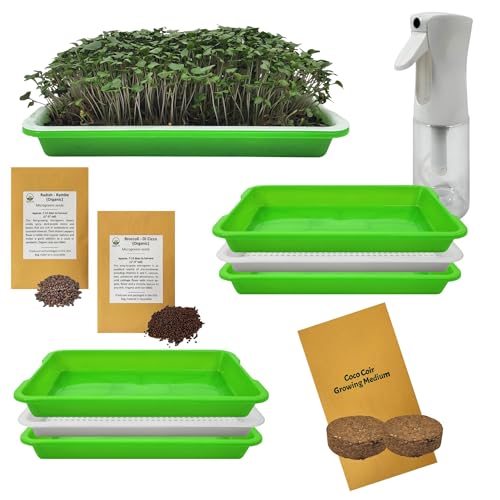
ALPAS LIFE Complete Home Microgreens Kit – Organic Indoor Garden System – Includes 2 Sets of Reusable Trays, Premium Spray Mister, Coco Coir Growing Medium, 2 Packs Organic Seeds – Radish and Broccoli
COCO COIR GROWING MEDIUM: Each kit comes with coco coir discs as your growing medium; made from fiber…
As an affiliate, we earn on qualifying purchases.
As an affiliate, we earn on qualifying purchases.
Conclusion
Mastering simple food plating techniques can transform your meals and impress anyone at your table. Did you know that beautifully plated food can increase perceived taste and satisfaction by up to 30%? So, don’t hesitate to experiment with colors, heights, and arrangements. With just a little practice, you’ll turn everyday dishes into stunning culinary presentations that delight both the eyes and the palate. Start plating with confidence—your friends and family will love the extra effort!

Patelai 12 Pcs Chef Plating Tools Plating Drizzle Spoons Cooking Tweezers Culinary Precision Stainless Steel Drawing Spoons Plastic Dough Scrapers Wood Icing Spatula for Chef Cake Candy Decorating
12 Pieces dishing set: you will receive 2 pieces of drizzle decorating spoons with different sizes, 3 pieces…
As an affiliate, we earn on qualifying purchases.
As an affiliate, we earn on qualifying purchases.
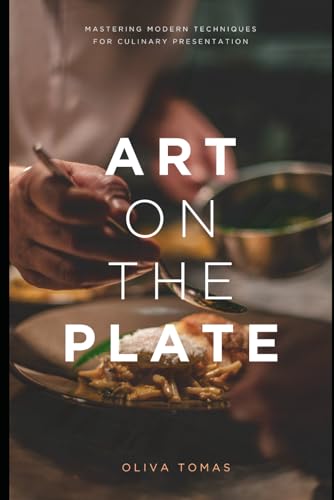
Art On The Plate: Mastering Modern Techniques For Culinary Presentation
As an affiliate, we earn on qualifying purchases.
As an affiliate, we earn on qualifying purchases.

Born in Dubai to Pakistani parents, Aisha deeply understands Middle Eastern and South Asian luxury markets. She excels in forging strategic partnerships with top-tier luxury brands worldwide, fostering cross-cultural collaborations that enhance our global presence.