
To understand finish, acidity, and body in drinks, pay attention to how flavors linger, balance, and textures. The finish is the lasting impression after each sip, influenced by flavor harmony and acidity. Bright acidity adds freshness and helps balance sweetness or bitterness, while body describes the weight and fullness you feel in your mouth. Recognizing these qualities enhances your appreciation of a drink’s complexity—continue exploring to discover how these traits shape your sensory experience even more.

Get your wardrobe favorites delivered free with Prime
- Fast, free delivery on millions of items
- Prime Video, Amazon Music and more included
- Member-only deals all year
Key Takeaways
- The finish determines the lasting impression and harmony of flavors after a sip.
- Acidity adds brightness, balancing sweetness and bitterness, and influences the drink’s vibrancy.
- Flavor balance over time enhances the overall quality and development of the drink’s finish.
- Acidity affects sensory perception by making drinks feel lively and refreshing.
- Body refers to the weight and texture, impacting fullness and overall mouthfeel of the beverage.
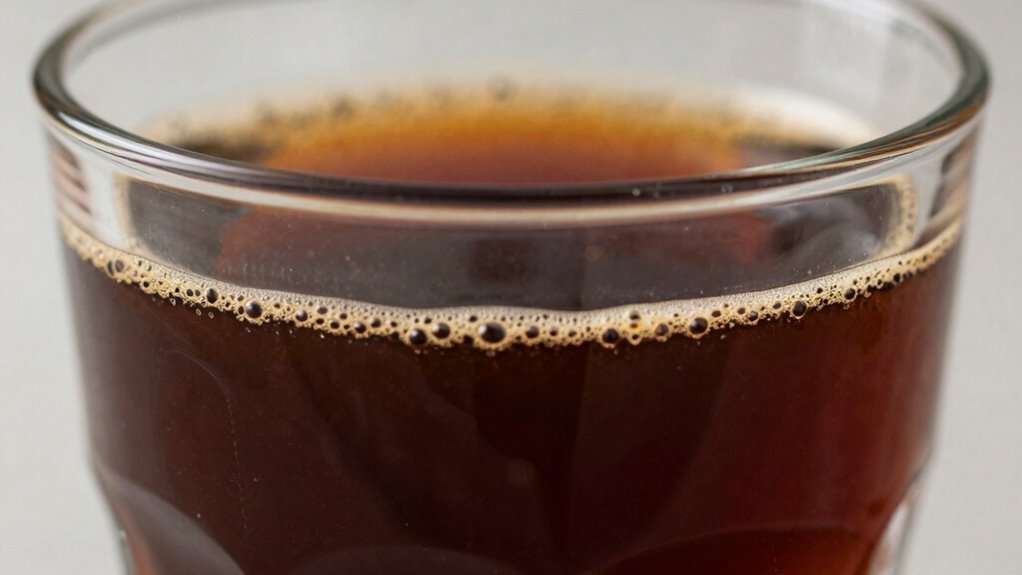
When you taste a drink, three key characteristics shape your overall experience: finish, acidity, and body. These elements work together to create a sensory perception that defines how you perceive the drink’s flavor profile. Understanding how each aspect influences your experience can deepen your appreciation and help you select beverages that match your preferences.
The finish is what lingers after you’ve taken a sip. It’s the lasting impression that remains on your palate and often influences your desire for another taste. A long, smooth finish can evoke warmth and complexity, while a short or harsh finish might leave you wanting more depth. The length and quality of the finish are closely tied to flavor balance — when the flavors complement each other perfectly, the finish feels harmonious. Conversely, if certain flavors overpower others, the finish can become disjointed or unpleasant. Paying attention to how the finish develops allows you to gauge the overall quality of a drink and how well its flavors are integrated. flavor balance is essential for a satisfying finish, as it determines how well the flavors harmonize over time.
Acidity plays a pivotal role in shaping your sensory perception. It adds brightness and freshness, often providing a crisp or tangy note that balances sweetness or bitterness. For example, a well-balanced wine or coffee will feature a lively acidity that awakens your palate without overwhelming it. When acidity is too high, the drink can taste sour or sharp, overshadowing other flavors. Too little acidity, and the drink might feel flat or dull. Recognizing the level of acidity helps you determine if a beverage has a lively, refreshing quality or if it’s lacking vibrancy. It’s a crucial factor in flavor balance because it can either elevate or diminish other elements like sweetness, bitterness, or richness. Additionally, acidity can influence the perceived freshness and overall brightness of a beverage, enhancing its appeal. Perceived brightness plays a significant role in how enjoyable a drink feels on your palate.
Body refers to the weight and texture of a drink on your palate. It’s what makes a beverage feel full-bodied and substantial or light and delicate. A full-bodied drink carries a richness that coats your mouth, enhancing its flavor complexity. A lighter drink might feel more refreshing but less intense. The body influences your overall sensory perception by affecting how flavors are perceived and how satisfying the drink feels. When the body is well-matched with the other characteristics, it creates a balanced and harmonious drinking experience. A drink with too much body might feel overwhelming, while one with too little might seem insubstantial. Recognizing the interplay between flavor balance, acidity, and body helps you identify what makes a drink enjoyable and how different components contribute to the overall sensory profile. Understanding the body’s role in flavor perception can help you choose drinks that suit your texture preferences.
Popular right now

Sony WH-1000XM4C Wireless Noise-Cancelling Headphones, Black

Philips 4400 Series Fully Automatic Espresso Machine with LatteGo Milk System

De'Longhi Stilosa Compact Manual Espresso Machine with Milk Frother
As an affiliate, we earn on qualifying purchases.
Frequently Asked Questions
How Do Regional Differences Affect a Drink’s Finish?
Regional differences markedly influence a drink’s finish because regional terroir shapes the flavor profile you experience. For example, a whiskey from Scotland may have a smoky, lingering finish, while a Caribbean rum might leave a sweet, fruity aftertaste. These variations are driven by local climate, soil, and traditional methods. By understanding regional terroir, you can better anticipate how a drink’s finish will evolve and appreciate its unique character.
Can Aging Alter a Drink’s Acidity Levels Significantly?
Yes, aging can considerably alter a drink’s acidity levels by influencing its flavor profiles through fermentation processes. As drinks age, acids may break down or react with other compounds, leading to a smoother, less sharp taste, or occasionally increasing acidity depending on the environment. You’ll notice these changes in the overall balance and complexity of the drink, which can enhance or diminish its freshness and vibrancy over time.
What Role Does Temperature Play in Perceived Body?
Temperature greatly influences your sensory perception of a drink’s body, highlighting or softening its textural nuances. When you serve a drink warmer, you often notice it feels fuller and more viscous, enhancing its perceived body. Conversely, chilling can make the drink seem lighter and more crisp. By adjusting temperature, you control how your palate perceives the drink’s texture, shaping your overall tasting experience and appreciation of its complexity.
Are There Health Impacts Linked to Acidity in Drinks?
Think of acidity in drinks as a double-edged sword—while it can add brightness and balance, too much may impact your health. Excessive drink acidity effects, like tooth erosion or stomach discomfort, are concerns. If you consume highly acidic beverages frequently, you might experience increased sensitivity or digestive issues. Moderation is key; balancing acidity helps you enjoy flavors without risking your health.
How Can I Enhance the Body of a Weak-Tasting Beverage?
To enhance the body of a weak-tasting beverage, focus on flavor balance and texture enhancement. You can add ingredients like dairy, creamy mixers, or natural thickeners such as oats or banana to boost richness. Incorporate a pinch of salt to bring out flavors and improve mouthfeel. Experiment with ingredients that add viscosity, ensuring the drink feels fuller and more satisfying without overpowering its original taste.
Conclusion
Just as a master painter blends colors to create depth, understanding finish, acidity, and body lets you appreciate the full canvas of a drink. When you notice the lingering finish, bright acidity, or full-bodied richness, you’re experiencing the story behind each sip. These elements work together like a symphony, guiding your senses through a landscape of flavors. With this knowledge, you can truly savor each drink as if uncovering a hidden masterpiece, one taste at a time.