
Many believe sunscreen ages skin, but skipping it actually speeds up aging by letting UV rays break down collagen and elastin. Using enough, properly applying broad-spectrum SPF, and reapplying regularly can protect your skin from wrinkles, dark spots, and sagging. Myth: higher SPF gives much better protection—this isn’t true, and it can lead to false security. To keep your skin youthful longer, follow key sun safety tips—more insights await if you keep going.
Key Takeaways
- Wearing sunscreen daily prevents premature aging caused by UV damage, rather than accelerating skin aging.
- Proper application and reapplication of sunscreen are essential; skipping or using too little can speed up aging.
- Choosing the right broad-spectrum sunscreen and applying enough product protects against UV-induced collagen breakdown.
- Believing sunscreen ages skin is a myth; neglecting sun protection leads to wrinkles, dark spots, and sagging.
- Using sunscreen with antioxidants can help repair and prevent skin aging, countering damage from UV reflection and penetration.

Eucerin Daily Hydration Broad Spectrum SPF 30 Sunscreen Body Cream for Dry Skin, Fragrance Free Sunscreen Moisturizer, 8 Oz Tube
2-in-1 Formula: This Eucerin body cream is a 2-in-1 formula that moisturizes dry skin while helping protect from…
As an affiliate, we earn on qualifying purchases.
As an affiliate, we earn on qualifying purchases.
Why You Need Sunscreen Every Day: Not Just at the Beach

Even on cloudy days, your skin is exposed to harmful ultraviolet (UV) rays that can cause damage over time. That’s why sun protection should be part of your daily skincare routine, not just for trips to the beach. UV rays penetrate clouds and reflect off surfaces, increasing your risk of skin aging and damage. Applying sunscreen every day helps shield your skin from these invisible dangers, keeping it healthier and younger-looking. Consistent sun protection reduces the chance of long-term issues like wrinkles, dark spots, and even skin cancer. Incorporating a broad-spectrum sunscreen into your morning routine, regardless of the weather, is a simple yet effective step. Understanding UV exposure helps you make informed decisions about your sun safety habits. Using quality sunscreens with adequate SPF provides better protection against UV rays and should be a daily habit. Recognizing the importance of sun safety knowledge empowers you to develop habits that protect your skin effectively. Sun protection benefits include preventing premature aging and reducing skin cancer risks, making it a vital part of your health routine. Protecting your skin daily is a simple, effective way to maintain your skin’s health and youthful appearance for years to come.
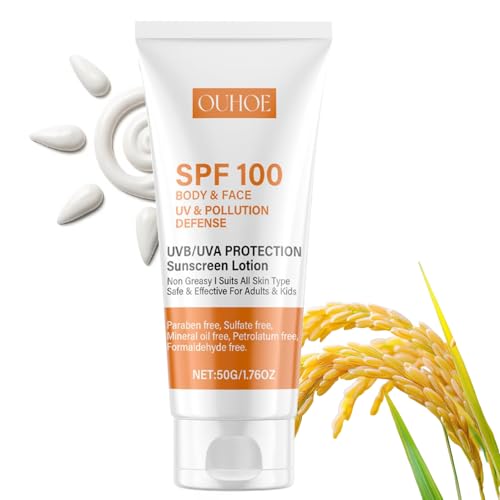
Antioxidant-Infused Sunscreen SPF 100 Broad Spectrum, Face & Body Oil-Free Oxybenzone-Free, Designed for Sun Sensitive Skin
【Sunscreen SPF 100 Full-Spectrum Protection】Our spf 100 formula delivers broad-spectrum UVA/UVB defense to fend off sunburn, premature aging,…
As an affiliate, we earn on qualifying purchases.
As an affiliate, we earn on qualifying purchases.
How UV Rays Damage Your Skin, Even on Cloudy Days
You might assume that clouds block UV rays, but they don’t completely stop them. Sun damage can still occur on overcast days because UV rays penetrate cloud cover easily. Even indoors or in shaded areas, UV exposure can continue to harm your skin if you’re not protected. Additionally, certain sunscreen formulations have been shown to contain antioxidants that may help combat free radicals caused by UV exposure. It’s important to understand that UV radiation can affect your skin regardless of weather conditions or physical barriers. Moreover, understanding auditory processing can help you better interpret how UV rays impact skin cells at a cellular level, emphasizing the importance of comprehensive sun protection. Recognizing that water-related activities like swimming or water sports can increase UV exposure is also crucial, as water reflects UV rays, amplifying their effect on skin.
UV Penetrates Cloud Cover
Many people assume that clouds block all UV rays, but in reality, UV radiation can penetrate cloud cover and reach your skin. This means you’re still exposed to UV penetration even on overcast days. Clouds may reduce some UV intensity, but they don’t eliminate it, making cloud cover protection less effective than you think. The amount of UV that gets through varies based on cloud thickness and weather conditions. To understand this better, see the table below:
| Cloud Cover Type | UV Penetration Level | Effect on Skin | Protection Tips |
|---|---|---|---|
| Thin clouds | Moderate UV penetration | Moderate risk | Use sunscreen, seek shade |
| Thick clouds | Some UV penetration | Still possible damage | Wear protective clothing |
| Overcast skies | Significant UV penetration | Higher risk | Reapply sunscreen regularly |
| Very dense clouds | Limited UV penetration | Minimal protection | Still consider sun protection |
Skin Damage Continues Indoors
While UV rays are often associated with outdoor exposure, they can continue damaging your skin even when you’re indoors. Indoor exposure to UV rays occurs through reflection off surfaces like windows, floors, and walls. This reflection can significantly amplify UV exposure, making it easy to underestimate your risk. To protect yourself, keep in mind:
- UV rays penetrate glass, so sitting near windows isn’t risk-free.
- Surfaces like water, sand, and concrete reflect UV radiation, increasing exposure.
- Indoor lighting, including some fluorescent bulbs, can contribute to skin damage over time.
- Using air purifiers can help reduce indoor pollutants, but they do not block UV radiation, so additional sun protection measures are still necessary.
- Recognizing indoor UV exposure as a significant risk factor is essential for comprehensive skin protection.
- Understanding UV reflection and its effects can help you better assess your risk and take appropriate precautions.
- Employing UV-blocking window films can further decrease indoor UV penetration and safeguard your skin.
Understanding indoor UV exposure helps you take better precautions, reducing your risk of premature aging caused by unseen UV damage.

Banana Boat Sport Ultra SPF 50 Sunscreen Spray | Banana Boat Sunscreen Spray SPF 50, Water Resistant, Oxybenzone Free, Sunblock, 6oz each Twin Pack
SUPERIOR ENDURANCE VS. SWEAT & WATER — From family fun to hardcore competition, Banana Boat Sport Sunscreen provides…
As an affiliate, we earn on qualifying purchases.
As an affiliate, we earn on qualifying purchases.
Is Higher SPF Always Better? What You Need to Know
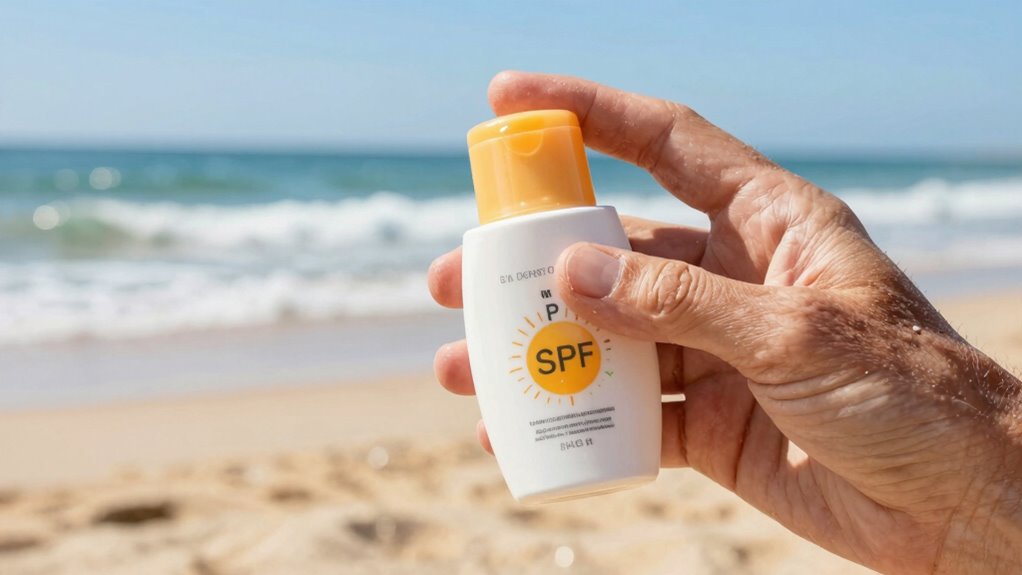
Many people assume higher SPF offers considerably better protection, but that’s not always true. You might not need the highest SPF, as benefits tend to plateau beyond a certain point, and proper application really matters. Understanding these nuances helps you choose the right sunscreen for your needs without overspending. Additionally, selecting a sunscreen with appropriate SPF levels for different activities can optimize your protection without unnecessary expenditure.
Higher SPF Not Always Necessary
Choosing a higher SPF doesn’t always mean better protection. Many people develop SPF overconfidence, thinking a higher number shields them completely. However, this isn’t always true. Higher SPF sunscreens can lead to ingredient misconceptions, where users believe they don’t need reapplication or additional protection.
A common mistake is relying solely on the SPF number rather than understanding broad-spectrum protection and proper application techniques. Remember:
- SPF overconfidence can cause you to stay in the sun longer without reapplying
- Higher SPF doesn’t block all UV rays equally
- Ingredient misconceptions might lead you to rely solely on SPF numbers
In reality, SPF labels are just one part of sun safety. Effective sun protection involves broad-spectrum protection, proper application, and reapplication matter more than a high SPF number. Don’t fall into the trap of believing that a higher SPF automatically offers superior protection.
Diminishing Returns With SPF
Higher SPF numbers don’t always provide considerably more protection because the benefits plateau beyond a certain point. This is known as SPF diminishing, where increasing SPF offers only marginal gains in sunscreen efficacy. For example, SPF 30 blocks about 97% of UVB rays, while SPF 50 blocks around 98%. The difference is minimal, yet many people assume higher SPF is significantly better. Beyond SPF 50, the additional protection becomes even less meaningful. Applying a very high SPF might give a false sense of security, causing you to spend more time in the sun without reapplying. Ultimately, the key is choosing a broad-spectrum sunscreen with at least SPF 30 and reapplying regularly, rather than obsessing over the highest SPF. Focus on proper application and consistent use for the best protection.
Proper Application Matters Most
Even if you select the highest SPF available, proper application is essential for effective sun protection. How you apply your sunscreen makes all the difference. Use the correct application technique by covering all exposed areas generously and evenly. Don’t forget often-missed spots like ears, the back of your neck, and feet. Reapplication frequency is equally important—apply every two hours, or immediately after swimming or sweating. Skipping or rushing your application reduces its effectiveness, regardless of SPF level. To maximize protection:
- Apply a thick, even layer over all exposed skin
- Reapply at regular intervals, especially during prolonged sun exposure
- Use enough sunscreen to cover your body adequately
- Understanding sun protection science can help you make more informed choices about your skincare routine
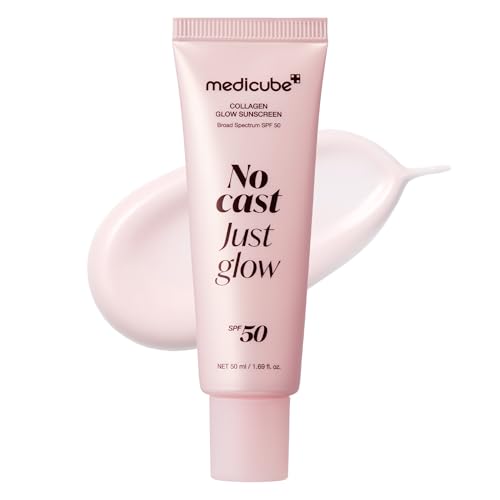
medicube No Cast Just Glow Collagen Sunscreen | SPF 50 Broad Spectrum Face Sunscreen | Lightweight, Non-Sticky, Hydrating Formula | Peptide, Cica for Soothing & Glow | Korean Skincare
[SPF 50, Made for Every Season] SPF 50 broad spectrum shields your skin from UVA/UVB rays year-round —…
As an affiliate, we earn on qualifying purchases.
As an affiliate, we earn on qualifying purchases.
Common Sunscreen Myths That Accelerate Skin Aging
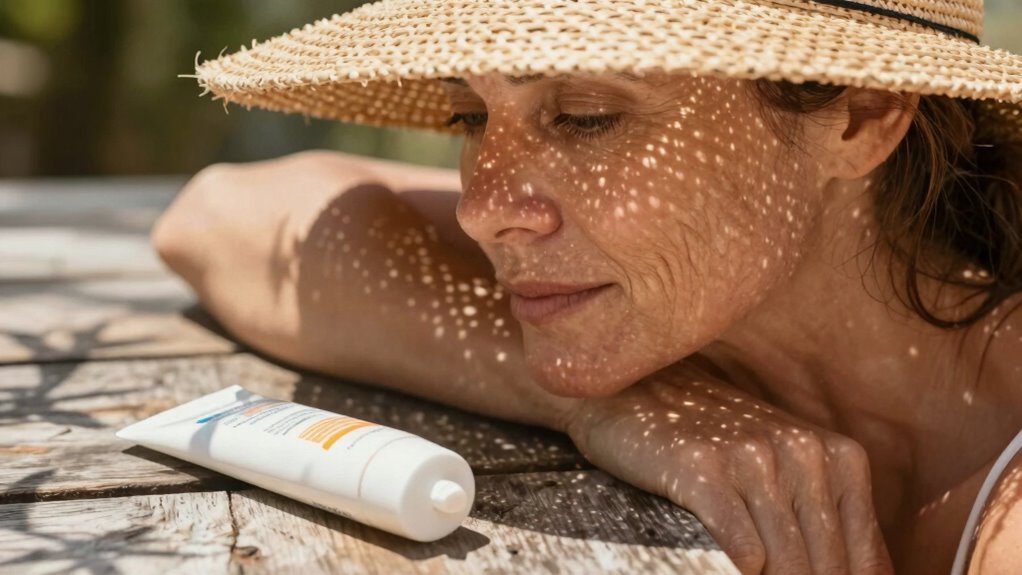
Many people believe that using sunscreen can cause skin aging, but this is a myth. In reality, both chemical filters and mineral blockers protect your skin from harmful UV rays that accelerate aging. Chemical filters absorb UV radiation, transforming it into heat, while mineral blockers like zinc oxide and titanium dioxide reflect and scatter UV rays. Some think sunscreens cause clogged pores or skin damage, but proper application prevents this. Using broad-spectrum sunscreen daily reduces free radical damage, preventing premature wrinkles and fine lines. The belief that sunscreen ages your skin is simply false; skipping it exposes you to sun damage, which accelerates aging. Additionally, sunscreen formulations are designed to be suitable for all skin types, ensuring protection without causing harm. Proper application techniques can maximize protection and minimize any potential skin irritation. To further protect your skin, choosing broad-spectrum sunscreens that shield against both UVA and UVB rays is essential for comprehensive defense. Instead, choose a formula suited to your skin type and apply it generously for maximum protection.
How Sun Damage Ages Your Skin: and Simple Ways to Prevent It
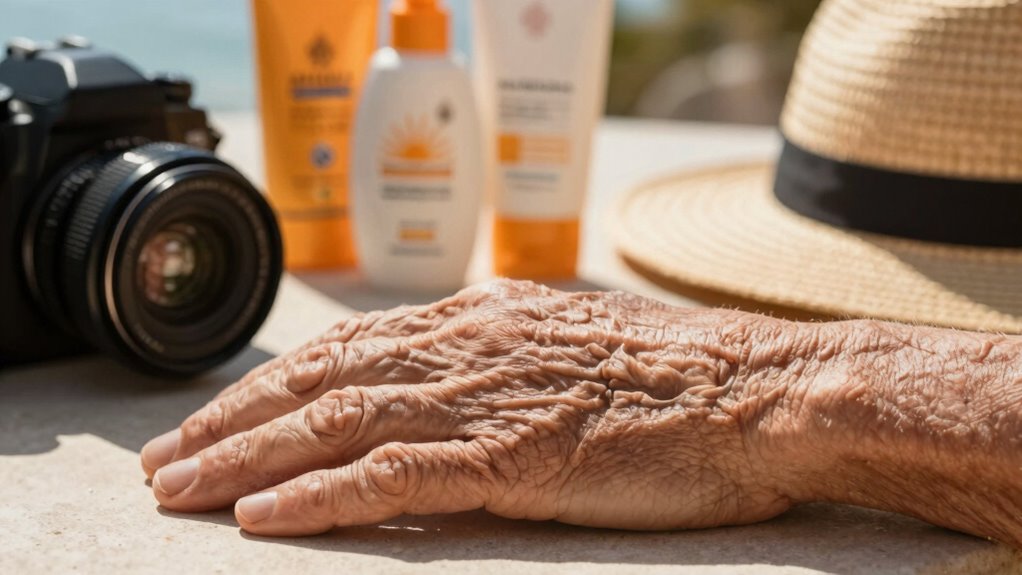
Sun damage accelerates the aging process by breaking down collagen and elastin in your skin, leading to wrinkles, sagging, and age spots. To combat this, focus on supporting your skin’s natural repair processes and boosting antioxidant defense. Simple habits can make a big difference:
- Wear protective clothing and seek shade during peak sunlight hours
- Incorporate antioxidant-rich foods and skincare to fight free radicals
- Use skincare products formulated for skin repair and collagen preservation
These steps help minimize sun damage, preserve skin elasticity, and slow premature aging. Protecting your skin from UV rays isn’t just about appearance—it’s about maintaining healthier, more resilient skin over time. Consistent prevention keeps your skin youthful and reduces visible signs of aging caused by sun exposure. Additionally, understanding indoor air quality can contribute to overall skin health by reducing exposure to pollutants that may accelerate skin aging. Maintaining a healthy environment and proper skincare routine are essential components in preventing premature skin aging.
How to Apply Sunscreen Properly to Protect Your Skin and Slow Aging
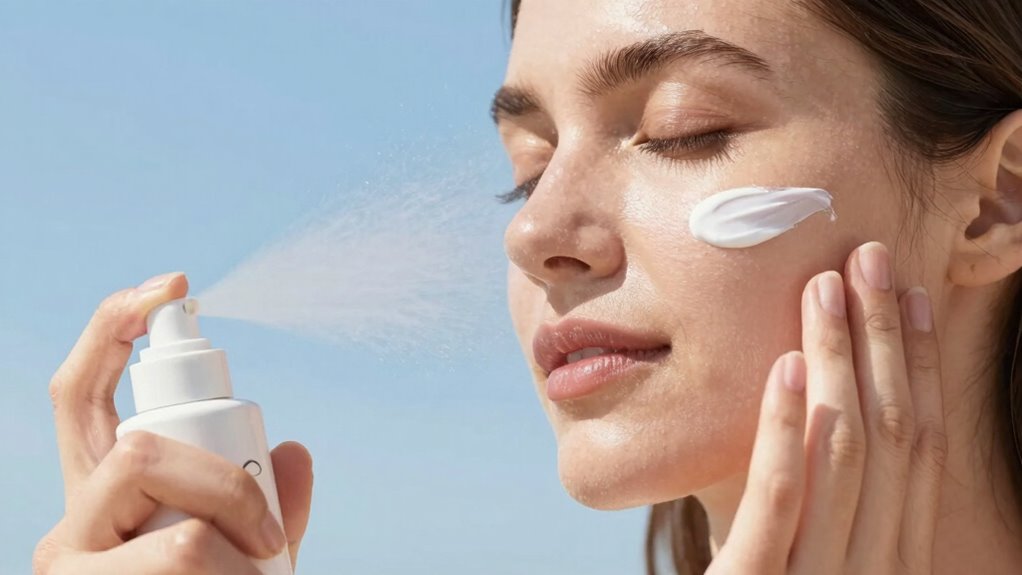
To effectively protect your skin from UV damage and slow the aging process, applying sunscreen correctly is essential. Start with a generous amount, about a shot glass full for your face and body. Use your fingertips to evenly spread sunscreen, paying attention to often-missed spots like ears and the back of your neck. Read the sunscreen ingredients—look for broad-spectrum protection with SPF 30 or higher. An effective application technique ensures you cover all exposed areas thoroughly. To visualize, consider this table:
| Area | Amount of Sunscreen |
|---|---|
| Face | About a dime-sized dollop |
| Neck & Ears | Similar to face, enough to cover evenly |
| Arms & Legs | A shot glass full for arms, legs, and torso |
| Back | Enlist help or use a spray for hard-to-reach areas |
Proper application maximizes protection and slows skin aging by reducing UV damage. Additionally, applying sunscreen correctly can help prevent premature skin wrinkles and spots caused by sun exposure. Being aware of common sunscreen mistakes can further improve your sun protection routine.
Frequently Asked Questions
Can Certain Foods Boost Your Skin’s UV Protection?
Certain foods, rich in food antioxidants like berries, nuts, and vegetables, can help boost your skin’s UV protection. They fight free radicals caused by sun exposure, supporting your skin’s resilience. Incorporate dietary supplements with antioxidants if needed, but remember they’re a complement, not a replacement for sunscreen. Eating a balanced diet with these foods enhances your skin’s defense, making you less prone to UV damage and premature aging.
Does Wearing Sunglasses Help Prevent Skin Aging Around the Eyes?
Yes, wearing sunglasses helps prevent skin aging around your eyes by blocking UV damage. When you wear good sunglasses, you reduce the risk of crow’s feet and fine lines caused by sun exposure. Additionally, using an eye cream with antioxidants can further protect your skin. Combining sunglasses with eye creams shields the delicate area from UV rays and aging, keeping your skin youthful and healthy longer.
Are Mineral Sunscreens Better for Sensitive Skin Types?
Yes, mineral sunscreens are better for sensitive skin. They offer mineral protection with ingredients like zinc oxide and titanium dioxide, which create a physical barrier against UV rays. Unlike chemical sunscreens, they’re less likely to cause irritation or allergic reactions. If you have sensitive skin, choosing a mineral sunscreen helps you stay protected without compromising your skin’s comfort or health.
How Does Sunscreen Effectiveness Vary With Skin Tone?
You might not realize it, but people with darker skin tones have higher melanin levels, which offer some natural UV protection. However, sunscreen remains essential because its effectiveness varies with skin tone—lighter skin absorbs UV rays more readily, so they need a broader-spectrum SPF. Regardless of your skin tone, applying sunscreen properly guarantees you’re protected from UV damage and aging. Don’t skip it; your skin deserves consistent care.
Can Indoor UV Exposure Contribute to Skin Aging?
Indoor UV exposure can indeed contribute to skin aging. Even if you’re inside, UV rays from artificial lighting or nearby windows can penetrate your skin, causing damage over time. This damage accelerates aging signs like wrinkles and age spots. To protect yourself, consider using broad-spectrum sunscreen daily, especially if you’re exposed to indoor UV sources regularly. Taking these precautions helps keep your skin youthful and healthy longer.
Conclusion
By shielding your skin daily, you create a barrier against the sun’s sneaky rays, like an invisible shield glinting in the sunlight. Think of each application as planting a protective armor that keeps your skin youthful, smooth, and radiant. Don’t let false myths peel away your glow. Embrace proper sun protection, and watch your skin shine brighter, like a sunlit horizon—ageless and vibrant with every sunny day.