Your hair texture greatly impacts how products work for you. If you have tightly coiled or curly hair, products like creams and leave-ins help with moisture, while lightweight formulas may not hydrate enough. Wavy or straight hair often benefits from lighter products that don’t weigh down your strands. Recognizing your curl pattern and texture helps you pick what truly nourishes and defines your hair. Keep exploring to discover how tailoring your routine can boost your hair’s health and performance.

Get your wardrobe favorites delivered free — and shop member deals
- Fast, free delivery on millions of items
- Access to Prime Big Deal Days deals on October 6–7
- Prime Video, Amazon Music and more included
Key Takeaways
- Tighter curls tend to be drier, requiring richer, more hydrating products for effective moisture retention.
- Wavy or straight hair benefits from lightweight formulas that avoid weighing down the hair.
- Hair texture influences how oils and products distribute, affecting overall moisture and shine.
- Curly and coily textures often need more intensive hydration to combat dryness and frizz.
- Product efficacy varies based on texture, as different curl patterns respond better to specific formulations.
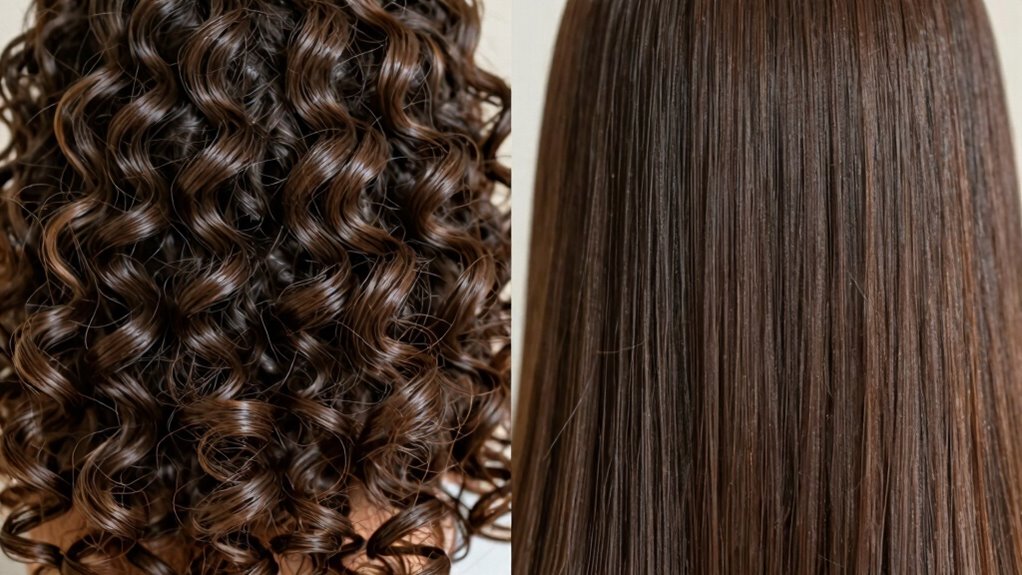
Have you ever wondered why some hair products work perfectly for one person but not for another? The key lies in your hair’s unique texture. Your curl pattern, for example, plays a significant role in how products perform on your hair. If you have tight coils, your hair tends to be drier because the natural oils have a harder time traveling down the curls. That means products with added moisture—like creams and leave-ins—often work better for you than lightweight serums or sprays. On the other hand, if your hair is wavy or straight, you might find that lighter products distribute more evenly and don’t weigh your hair down. Recognizing your curl pattern helps you choose the right formulations, guaranteeing your hair gets the nourishment it needs without feeling greasy or stiff.
Scalp sensitivity is another essential factor that influences product performance. If your scalp feels itchy, irritated, or develops redness after using certain products, you likely have sensitive skin. This sensitivity can make you more prone to reactions from harsh chemicals, fragrances, or alcohols commonly found in hair products. When selecting products, you should look for those labeled as gentle, hypoallergenic, or designed for sensitive scalps. These formulas tend to be free from irritants, allowing you to nourish your hair without discomfort. Using products that are too heavy or contain aggressive ingredients can exacerbate scalp issues, leading to dandruff, dryness, or even hair loss over time. Additionally, understanding the chemical composition of hair products can help you avoid ingredients that may trigger sensitivities or reactions. Being aware of your scalp health and how it interacts with different formulations can further improve your hair care routine. Furthermore, scalp pH balance plays a crucial role in maintaining a healthy scalp environment, influencing how products interact with your skin and hair. Maintaining a balanced pH can help prevent issues like dryness or excess oil, supporting overall scalp well-being.
Your hair’s texture and your scalp’s sensitivity are interconnected in how products perform. For instance, if your scalp is sensitive, you might need to avoid products with strong surfactants that strip natural oils, especially if you have curly or coily hair that already tends to be drier. Conversely, if you have a resilient scalp but very tight curls, you might need richer, more moisturizing products to combat dryness and frizz. It’s a balancing act—understanding your curl pattern helps you select products that enhance your natural hair, while considering scalp sensitivity ensures you avoid irritation and discomfort. Recognizing the importance of hair diversity can help you better appreciate the unique needs of your hair and scalp.
Ultimately, understanding your hair’s texture and how it responds to different products empowers you to make smarter choices. When you pick products suited for your curl pattern and scalp sensitivity, you’re more likely to see the results you want—healthy, manageable hair that feels comfortable and looks gorgeous. It’s all about customization. Your hair is unique, and the right products should work with that uniqueness, not against it.
moisturizing leave-in conditioner for curly hair
As an affiliate, we earn on qualifying purchases.
As an affiliate, we earn on qualifying purchases.
Frequently Asked Questions
Can Hair Texture Change Over Time Naturally?
Yes, your hair type can change naturally over time, affecting your styling routines. Factors like aging, hormonal shifts, and environmental exposure influence hair texture, making it straighter, curlier, or coarser. These changes mean you might need to adjust your hair care products and styling methods. Monitoring your hair’s evolving texture helps you choose the right products, ensuring your routine remains effective and your hair stays healthy.
Do Certain Products Work Better for Mixed Hair Textures?
A stitch in time saves nine, and the same applies to choosing hair products. Certain products work better for mixed hair textures because they’re designed for texture diversity and accommodate varying needs. Look for formulas labeled for multi-textured hair, as they offer better product compatibility. You’ll find that these products help manage your hair’s unique blend, ensuring all your textures are nourished, defined, and healthy without the fuss.
How Often Should I Switch Hair Products Based on Texture?
You should switch hair products based on your texture’s needs and how well they perform over time. Pay attention to product longevity; if your hair starts feeling weighed down, greasy, or dry, it’s time to try something new. Texture compatibility plays a key role—what worked during a season might not suit your current hair condition. Regularly assess your hair’s response to maintain peak health and style.
Are There Specific Ingredients Suited for Curly Versus Straight Hair?
Yes, specific ingredients suit curly versus straight hair. Curly hair benefits from moisturizing ingredients like shea butter, coconut oil, and glycerin to combat dryness caused by chemical treatments and hormonal changes. Straight hair often responds well to lightweight formulas with proteins, such as keratin, that strengthen without weighing it down. Tailoring products to your hair’s texture helps maintain health, especially during hormonal shifts or after chemical treatments.
How Does Hair Porosity Interact With Texture in Product Performance?
Your hair porosity interacts with your texture to influence how products perform. High porosity hair absorbs products quickly but struggles with moisture retention, so lightweight, hydrating formulas work best. Low porosity hair resists product absorption, requiring heat or lighter oils to penetrate. Curly hair, often more porous, benefits from moisture-rich products that improve absorption and retention, while straight hair may need products that balance moisture without weighing it down.
Conclusion
Your hair’s unique texture is like a fingerprint—each one telling a different story. When you choose products that resonate with your curls, waves, or straights, you’re fundamentally revealing the true potential of your hair’s personality. Think of your hair as a garden; the right products are the gentle rain and nourishing soil that help it flourish. Embrace your texture, and watch your hair bloom with confidence, shining as brightly as a sunlit horizon.
Halloween Picks
halloween
As an affiliate, we earn on qualifying purchases.