
TL;DR

Get your wardrobe favorites delivered free with Prime
- Fast, free delivery on millions of items
- Prime Video, Amazon Music and more included
- Member-only deals all year
Highsnobiety’s Beauty Freak column examines the growing attention to scalp care, from head spas and massage tools to supplements and clinical procedures. The report describes a $15 billion scalp-care market, but does not establish that the products it discusses prevent hair loss or promote regrowth.
Highsnobiety’s Beauty Freak column reports that scalp care is gaining ground in beauty, as brands market products and treatments for hair shedding, scalp health and aging. The column describes a market valued at $15 billion and a widening mix of services, supplements and devices, while offering no independent evidence that those offerings deliver the results their marketing promises.
Columnist Sable Yong links the trend to greater public discussion of personal maintenance and hair loss. She recounts noticing short new hairs after a period of shedding that she associates with a bout of COVID-19. The stylist she visited, who was also a trichologist, identified the hairs as regrowth. Yong describes the episode as consistent with telogen effluvium, a temporary pattern of shedding that can follow illness; her account is personal, not a diagnosis or clinical finding about readers.
The report describes a variety of products and services now presented as ways to care for the scalp. These include head spas, scalp-analysis appointments, massage tools, supplements and serums, as well as red-light caps, microneedling rollers and platelet-rich plasma injections. Yong gives examples of products priced from less than $10 for a basic massager to $198 for a premium comb; she also cites one supplement regimen at $86 a month and a serum at $120 a month.
Those examples show the range of offers, not proof of effectiveness. The column says the serum claims to address shedding, premature graying and scalp aging, and describes a peptide marketed by Omi as supporting hair at the follicle. These are brand claims reported by the column; the source does not provide clinical trial results establishing that they work.
Scalp Care Moves Into Mainstream Beauty
The trend puts a familiar concern—hair loss and hair health—inside a fast-growing beauty and wellness market. For readers, that can mean more accessible services and products, but also a larger range of paid promises to evaluate. The report’s examples span everyday tools and costly interventions, making the difference between a relaxing treatment, a cosmetic routine and a medically supported therapy relevant to consumers.
Yong suggests that scalp care may appeal to people who want to address visible signs of aging through the language of wellness. She also points to social-media scrutiny and the cultural prominence of styled or enhanced hair. Those are the columnist’s explanations for the trend, not measured findings about consumer behavior. The concrete consumer issue remains how much evidence supports each claim, particularly when treatments involve recurring costs or clinical procedures.
Popular right now

Breville BES870XL Barista Express Espresso Machine, Brushed Stainless Steel

Samsung 42-Inch S90H OLED 4K Smart TV Bundle

Vitamix Propel Series 510 Professional-Grade Blender, 3 Programs, Black
As an affiliate, we earn on qualifying purchases.
From Hair Shedding to Scalp Services
Yong’s account begins with a 2023 salon appointment. Her stylist asked whether she had recently had COVID after seeing short hairs near her part, then explained that the growth appeared new. The column says shedding associated with telogen effluvium may begin roughly two to three months after recovery and can continue for around six to nine months, followed by regrowth. These are general descriptions in the source, not a substitute for individual medical advice.
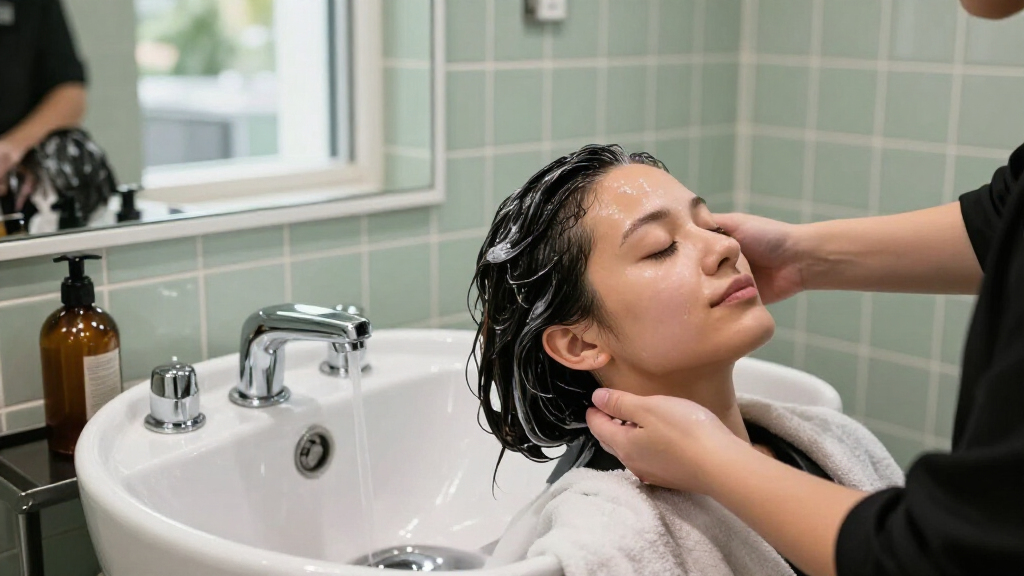
The report places head spas within the broader shift. The treatment, described as originating in Japan, combines washing with a reclining setup, a water rinse and massage of the scalp, neck and back. Yong recounts attending brand events that included scalp analysis, and describes the service’s popularity on social media. She also cites the column’s estimate of a $15 billion market; the source does not specify the estimate’s research methodology or geographic scope.
“The company markets a peptide that it says “anchors and strengthens hair to the follicle so that it sheds less.””
— Omi, as described in the Highsnobiety column
Evidence Behind Hair-Growth Promises
The source does not establish which of the featured products or interventions can reliably prevent shedding or produce hair regrowth. It offers no comparative clinical data, and Yong says she has not tried the red-light hats, microneedling rollers or PRP injections mentioned. She notes that friends who tried some interventions had varying results, which is anecdotal rather than evidence of effectiveness.
The column also does not identify the source, date range or geographic coverage behind its $15 billion market estimate. It is unclear how that figure defines scalp care or which product categories it includes. Readers experiencing hair loss would need qualified medical advice to assess possible causes and suitable treatment; the report does not evaluate individual cases.
Check Claims Before Paying
The column offers no announced launch, regulatory decision or scheduled milestone. Its immediate consumer takeaway is to be cautious about marketing and to distinguish brand claims from established evidence. Yong says a technician recommended routine scalp massage as a simple step, but the report does not establish that massage treats hair loss.
For readers considering a product or procedure, the next step is to check what evidence supports its specific claims and discuss persistent or sudden shedding with a qualified health professional. The broader trend may continue to bring new scalp-care offers to market; which approaches provide reliable benefits remains unresolved in the source material.
Key Questions
What does the report say is changing in beauty?
It describes scalp care becoming more visible, with brands and salons promoting products, analysis services and head-spa treatments aimed at hair and scalp concerns.
Does the article prove scalp-care products regrow hair?
No. It reports products’ advertised claims and examples of treatments, but supplies no clinical evidence establishing that they work.
What is telogen effluvium?
The column describes it as a temporary pattern of hair shedding that may follow illness. It says shedding can begin around two to three months after recovery and continue for about six to nine months; individual symptoms should be discussed with a health professional.
How much do the products and treatments cost?
The examples in the column range from less than $10 for a basic scalp massager to $198 for a premium comb. It also cites an $86 monthly supplement regimen and a serum priced at $120 a month. Prices are examples from the report, not a complete market survey.
What is still unknown about the scalp-care market?
The report does not detail how the $15 billion market estimate was calculated, nor does it compare the effectiveness of the products and procedures it discusses.
Source: highsnobiety.com