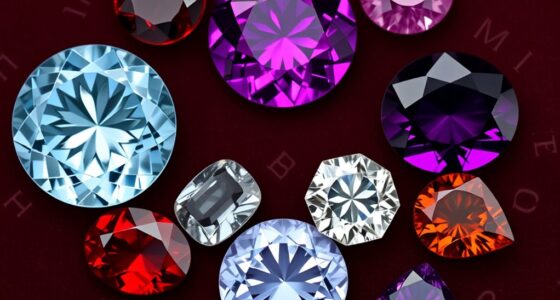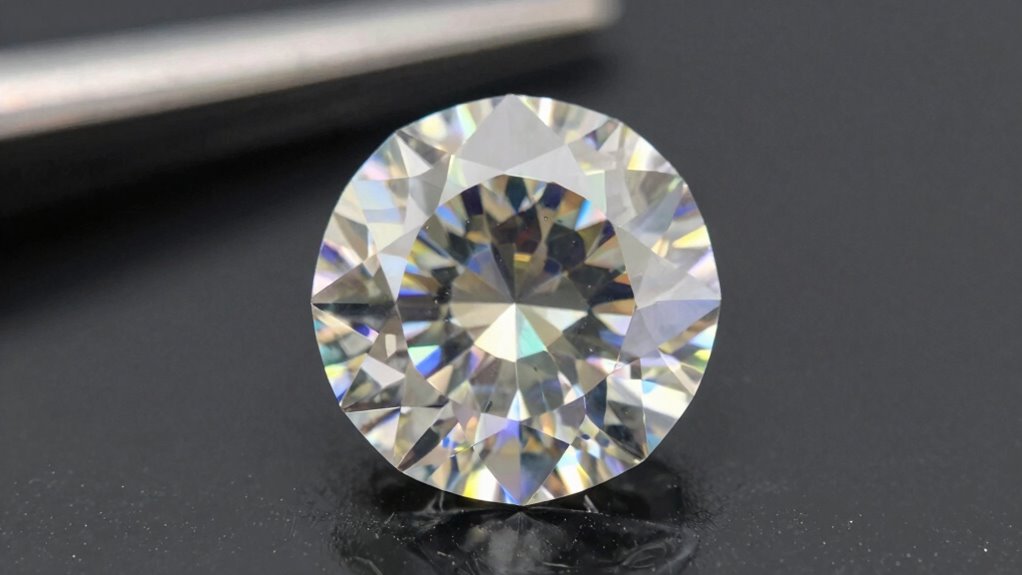

Lab-grown diamonds are created in labs using methods like HPHT and CVD, producing stones identical in quality and appearance to mined diamonds. They’re more sustainable, using less water and energy, and cause less environmental damage. They cost 30-40% less, making larger or higher-quality stones more accessible. Ethically produced, they support eco-friendly practices in the industry. If you want to understand the facts behind these gems and how they compare, there’s much more to explore.

Get your wardrobe favorites delivered free — and shop member deals
- Fast, free delivery on millions of items
- Access to Prime Big Deal Days deals on October 6–7
- Prime Video, Amazon Music and more included
Key Takeaways
- Lab-grown diamonds are chemically identical to natural diamonds but produced in controlled environments, ensuring consistent quality.
- They have a significantly lower environmental impact, using less water and energy compared to traditional mining.
- Lab-grown stones cost 30-40% less, offering affordability without sacrificing appearance or durability.
- Production methods like HPHT and CVD mimic natural processes, resulting in high-quality, flaw-free diamonds.
- Choosing lab-grown diamonds supports sustainable practices and ethical sourcing in the jewelry industry.
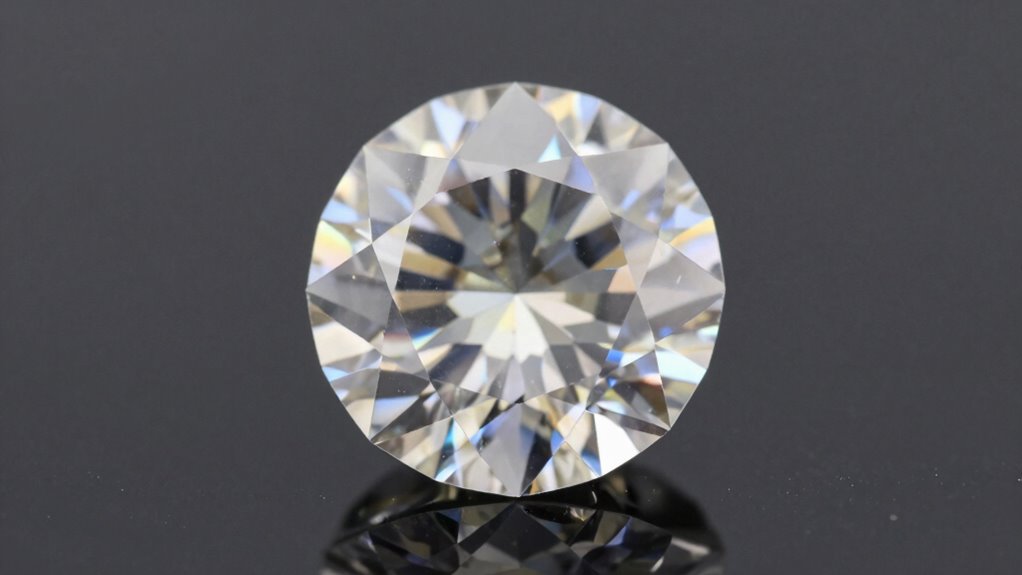
Additionally, lab-grown diamonds markedly reduce environmental impact compared to mined stones. Mining for natural diamonds consumes vast amounts of energy, causes deforestation, and disrupts local ecosystems. It also generates a lot of waste and pollution, which can harm communities and wildlife. In contrast, creating diamonds in a laboratory uses less water and energy, especially with advancements in sustainable production methods. You’re choosing a product that’s more environmentally friendly, helping to minimize ecological damage and conserve natural resources.
Lab-grown diamonds significantly reduce environmental impact by using less water, energy, and minimizing ecological disruption.
The process of creating lab-grown diamonds involves replicating the natural conditions inside the Earth’s crust, but it does so in a much shorter timeframe. High-pressure high-temperature (HPHT) and chemical vapor deposition (CVD) are the two main methods used. Both produce diamonds that are chemically, physically, and optically identical to mined ones. This means you’re getting the same brilliance and durability, but with a clearer conscience regarding their origins. Because lab-grown diamonds are produced in controlled settings, you also benefit from consistency in quality and fewer concerns about flaws or inclusions that can sometimes be more common in natural stones.
Furthermore, the controlled environment of lab-grown diamond production minimizes the risk of flaws or inclusions, ensuring a higher quality and more reliable gemstone for your purchase. Price is another compelling factor. Lab-grown diamonds typically cost 30-40% less than their mined counterparts, making them a budget-friendly option without sacrificing beauty or quality. This affordability allows you to purchase larger or higher-quality stones, or allocate funds toward other meaningful aspects of your life or event.
In essence, choosing a lab-grown diamond means opting for a product that aligns with modern values of sustainability and ethical responsibility. You’re supporting innovations that reduce environmental damage and promote fair sourcing practices. With their comparable beauty, lower cost, and positive environmental and social impacts, lab-grown diamonds offer a transparent and responsible choice for anyone wanting to enjoy the allure of a diamond without the associated concerns of traditional mining. Additionally, as advancements in sustainable production methods continue, the environmental benefits of lab-grown diamonds are expected to increase further. This shift toward more eco-friendly practices also helps to elevate the industry’s overall ethical standards and accountability.
lab-grown diamond engagement ring
As an affiliate, we earn on qualifying purchases.
As an affiliate, we earn on qualifying purchases.
Frequently Asked Questions
Are Lab-Grown Diamonds More Eco-Friendly Than Mined Diamonds?
Yes, lab-grown diamonds are generally more eco-friendly than mined diamonds because they have a lower environmental impact. They require less land, water, and energy, reducing habitat destruction and pollution. Plus, lab-grown diamonds promote ethical sourcing, avoiding issues like conflict or child labor often associated with some mined diamonds. By choosing lab-grown, you support sustainable practices and minimize your carbon footprint, making them a greener, more responsible choice.
How Do Lab-Grown Diamonds Compare in Value Over Time?
Lab-grown diamonds are like a young tree, promising growth but still finding their footing in value. Over time, their resale value and market stability tend to be lower than mined diamonds, which have a long-established worth. While prices may fluctuate, investing in a lab-grown diamond might not appreciate as much, so consider how its value aligns with your long-term goals. Be prepared for a more modest return if you decide to resell later.
Can Lab-Grown Diamonds Have the Same Imperfections as Natural Ones?
Yes, lab-grown diamonds can have the same imperfections as natural ones, including synthetic flaws that affect clarity. While these diamonds are created in controlled environments, minor inclusions or blemishes might still occur, leading to clarity concerns. However, many lab-grown diamonds are highly flawless, and advanced technology helps minimize imperfections. Always ask for certification to understand the clarity level and guarantee you’re getting a quality stone.
Are Lab-Grown Diamonds Legally Differentiated From Mined Diamonds?
Yes, lab-grown diamonds are legally differentiated from mined diamonds. Industry regulations require clear disclosures about their origin, ensuring consumers know whether a diamond is lab-created or naturally mined. These legal distinctions help maintain transparency in the market, so you can confidently make informed choices. Regulations vary by region but generally promote honesty, preventing deceptive practices and supporting ethical sourcing, which benefits both buyers and the industry.
What Are the Best Certifications for Lab-Grown Diamonds?
Think of certification standards as your lab-grown diamond’s passport, verifying its synthetic sparkle. The best certifications come from reputable organizations like IGI and GIA, which guarantee transparency and quality. I once bought a lab-grown diamond with an IGI certificate, and it reassured me of its authenticity. These certifications confirm your stone’s origin and quality, giving you confidence and peace of mind in your purchase.
Conclusion
Think of lab-grown diamonds as a clear lake—beautiful and genuine, reflecting nature’s brilliance without the dark clouds of hype. As you explore their true qualities, you’ll see they’re not just replicas but authentic gems created with science and care. So, when considering a diamond, remember: what’s beneath the surface—whether natural or lab-grown—shines just as brightly, offering clarity and value you can trust. Embrace the truth, and let your choice sparkle with confidence.
Fall Picks
fall essentials
As an affiliate, we earn on qualifying purchases.