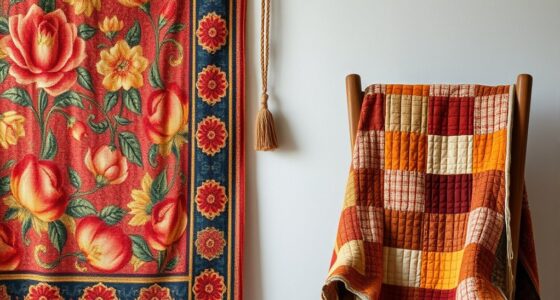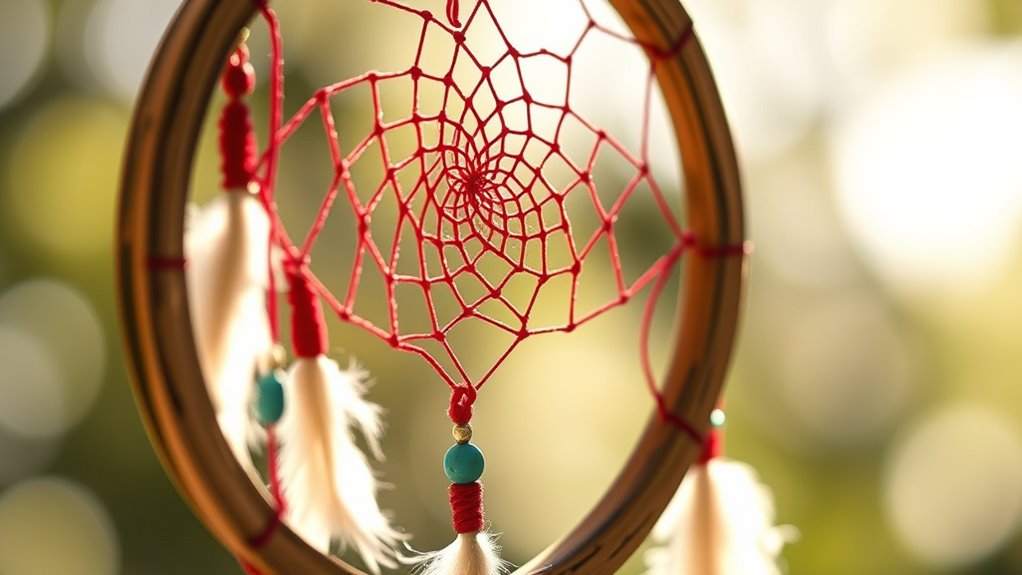

Dreamcatchers originate from Native American tribes like the Ojibwe and are believed to filter out negative dreams while allowing positive ones to pass through, symbolizing protection, hope, and cultural heritage. Today, they’re popular as versatile decor in bedrooms, shelves, or walls, often crafted from natural materials. Each piece reflects craftsmanship and cultural stories, blending tradition with modern style. If you want to discover how these meaningful symbols are evolving today, there’s more to explore below.
Open a free Amazon Business account
Business pricing, bulk buying and tax-exempt orders.
As an affiliate, we earn on qualifying purchases.
Key Takeaways
- Dreamcatchers originate from Native American tribes and are believed to filter out bad dreams, allowing only positive ones.
- They symbolize protection, hope, and a connection to cultural traditions, often used as meaningful gifts.
- Modern decor features various sizes and styles, from large boho-chic pieces to minimalist wall accents.
- Crafted from natural materials, they blend cultural significance with aesthetic appeal in contemporary interior design.
- They serve as symbols of positive energy and cultural heritage, bridging traditional meanings with modern decorative uses.
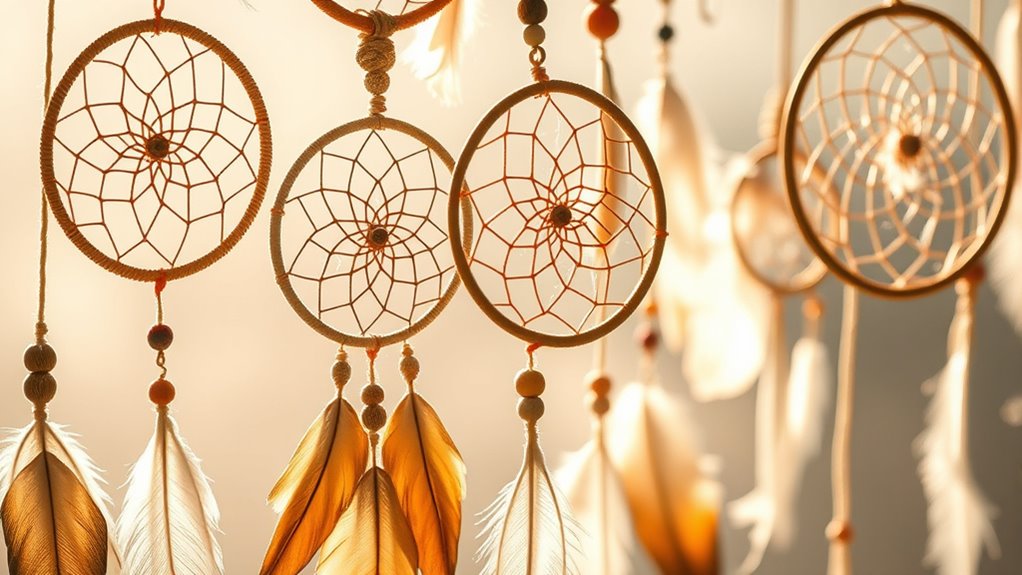
Have you ever wondered how a simple object can hold such powerful symbolism and meaning? Dreamcatchers are a perfect example. Originally created by Native American tribes like the Ojibwe, they carry a rich cultural significance that extends far beyond their decorative appeal. Traditionally, they were believed to filter out bad dreams, trapping negative spirits in their web while allowing positive dreams to pass through and gently slide down the feathers to the sleeper below. Today, many people from different backgrounds incorporate dreamcatchers into their lives, often as stylish elements of modern decor. But even as they adorn bedrooms and living spaces, their deeper significance remains rooted in their origins, symbolizing protection, hope, and a connection to ancestral traditions.
Dreamcatchers symbolize protection, hope, and cultural heritage—more than just beautiful decorations.
In the domain of modern decor, dreamcatchers have evolved from cultural artifacts to versatile accessories that personalize a space. You might hang a large, intricately crafted dreamcatcher above your bed for a boho-chic vibe or choose smaller, minimalist designs to add a touch of spiritual symbolism to a bookshelf or wall. They blend seamlessly with various interior styles, from rustic farmhouse to contemporary minimalism, thanks to their natural materials like wood, leather, and feathers. Their visual appeal is undeniable, but what truly makes them special is the story they carry. When you incorporate a dreamcatcher into your decor, you’re not just adding an aesthetic piece—you’re also embracing a symbol of protection and positive energy.
Furthermore, dreamcatchers have become popular gifts because they embody good wishes and protective qualities. Giving one to a friend or loved one can express a desire for their safety and happiness, making them more than just decorative objects. Their cultural significance reminds us of the importance of preserving traditions and respecting the origins of such meaningful symbols. As you explore different designs, you’ll notice the variation in craftsmanship and materials, each telling its own story. Whether handcrafted by artisans or mass-produced, each dreamcatcher holds a piece of the cultural legacy, even as it finds a new place in modern homes.
Additionally, with the increasing popularity of Indonesian decor masks, it is evident that integrating traditional cultural elements enhances the authenticity and aesthetic appeal of modern spaces. In essence, dreamcatchers serve as a bridge between past and present. They’re beautiful, meaningful objects that enrich your living space while honoring a tradition rooted in indigenous culture. As you incorporate one into your home, remember the symbolism behind it—protection, hope, and a connection to something greater. So, the next time you see a dreamcatcher hanging on a wall or displayed on a shelf, recognize that it’s more than decor; it’s a timeless emblem of positive energy and cultural heritage, adapted and appreciated in today’s modern world.
Native American dreamcatcher wall hanging
As an affiliate, we earn on qualifying purchases.
As an affiliate, we earn on qualifying purchases.
Frequently Asked Questions
Are Dreamcatchers Effective in Preventing Bad Dreams?
Dreamcatchers can be effective in preventing bad dreams if you believe in their symbolism, but their effectiveness largely depends on personal myth and intention. According to dreamcatcher myths, they trap negative dreams while allowing positive ones to pass through. If you use one with genuine belief, it can offer comfort and a sense of protection, though scientifically, their effectiveness varies from person to person.
What Materials Are Traditionally Used to Make Dreamcatchers?
You’ll find that traditional dreamcatchers often feature native materials, like willow hoops and sinew or sinew-like threads, which connect you to cultural roots. Feathers and beads also add charm and symbolism. Keep in mind, cultural variations influence materials—some use leather or stones. These authentic components help preserve the meaningful craftsmanship, making your dreamcatcher not just beautiful, but a genuine tribute to the rich traditions behind it.
Can Dreamcatchers Be Personalized or Customized?
Yes, you can definitely personalize or customize dreamcatchers. You can choose personalized designs that reflect your style or meaning, adding charms, beads, or feathers that hold special significance. Opt for custom craftsmanship to create a unique piece tailored to your preferences. This way, your dreamcatcher becomes not just a decorative item but a meaningful symbol that resonates personally, making it a perfect gift or personal keepsake.
How Do Different Cultures Interpret the Symbolism of Dreamcatchers?
Imagine you’re stepping into a cultural time machine—different cultures interpret dreamcatchers’ symbolism uniquely. Native Americans see it as a protector against bad dreams, emphasizing traditional craftsmanship and spiritual significance. Meanwhile, some African tribes view it as a symbol of unity and protection. Each culture infuses dreamcatchers with its own cultural symbolism, reflecting beliefs and values through intricate designs, making them more than just decorative objects—they’re meaningful artifacts.
Are There Any Health or Safety Concerns With Hanging Dreamcatchers Indoors?
Hanging dreamcatchers indoors generally pose minimal health or safety concerns, but you should monitor indoor air quality. Dreamcatchers made from natural materials can trap dust and allergens, leading to allergen accumulation over time. Regularly cleaning and ensuring good ventilation help prevent dust buildup. Avoid hanging them near heating sources or in damp areas, as this can promote mold growth. Overall, with proper care, dreamcatchers are safe decorative items.
Conclusion
Dreamcatchers once protected against bad dreams, a sacred Native American tradition. Today, they adorn bedrooms and jewelry, often losing their spiritual meaning. While they symbolize hope and protection, their modern use sometimes reduces them to mere decoration. You can appreciate their beauty, but remember the deeper significance behind them. Like a delicate web catching nightmares, their true power lies in respecting history, not just appreciating aesthetics. Embrace their meaning, not just their looks.
NFL season / tailgating Picks
team gear
As an affiliate, we earn on qualifying purchases.