Choosing the right sketchbook depends on your style, preferred mediums, and how portable you need it to be. For paper, consider weight (GSM) and texture—heavier paper for watercolor or ink prevents bleed-through and warping, while smoother paper suits fine details. For binding, options like spiral, sewn, or hardcover impact durability and ease of use. Exploring these choices helps make certain your sketchbook becomes a reliable tool for your creativity—stay with us to discover more tips.

Get your wardrobe favorites delivered free with Prime
- Fast, free delivery on millions of items
- Prime Video, Amazon Music and more included
- Member-only deals all year
Key Takeaways
- Select paper weight (GSM) based on your medium; heavier paper (200 GSM+) prevents bleed-through and warping.
- Choose paper texture (smooth or rough) to match your style and preferred mediums like ink, pencil, or watercolor.
- Opt for binding styles—spiral, sewn, or hardcover—that suit your portability needs and durability preferences.
- Consider digital sketchbooks for endless pages, organization, and flexible editing, especially for on-the-go artists.
- Assess your artistic style, medium, and handling comfort to select a sketchbook that supports long-term growth and usability.
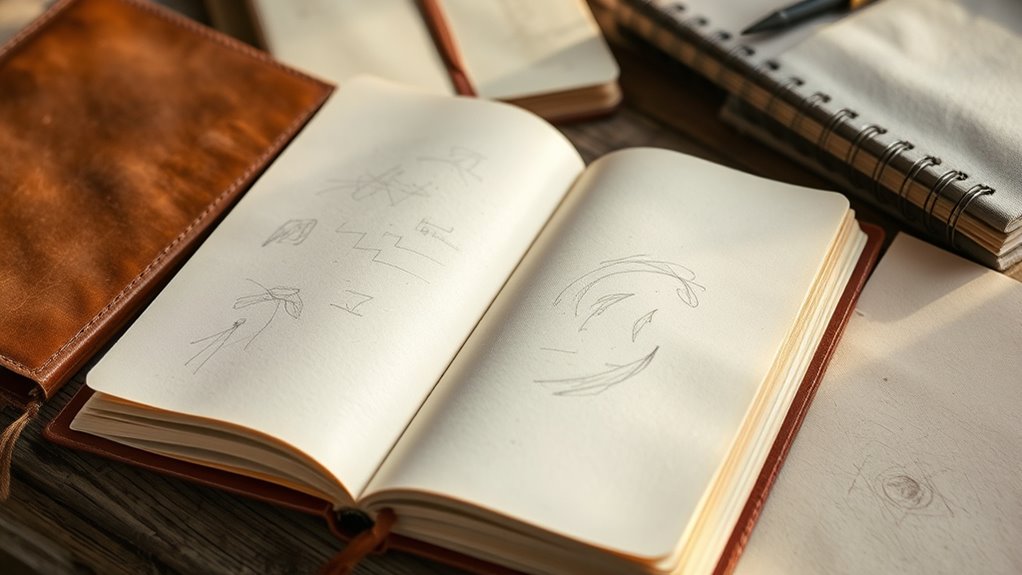
Have you ever wondered why sketchbooks are such essential tools for artists? It’s because they serve as a personal space to experiment, develop ideas, and hone your skills. When choosing a sketchbook, one of the most important decisions you’ll make is selecting the right paper and binding. Your choices can greatly influence how your artwork turns out and how enjoyable it is to work in your sketchbook. You’ll find art supply stores packed with options, from traditional paper-bound books to digital sketchbooks that let you draw on tablets or computers. Each has its advantages, but knowing what to look for helps you pick the perfect fit. Selecting the appropriate paper and binding can also impact the longevity and preservation of your artwork, especially if you plan to display or store your sketches long-term.
Starting with paper, it’s vital to consider the weight and texture. The weight, usually measured in GSM (grams per square meter), determines how thick and durable the pages are. If you prefer working with pencils or ink, a heavier paper—around 200 GSM or more—can prevent bleed-through and warping. For watercolor or mixed media, you’ll want even thicker, more textured paper designed to handle wet media without buckling. Smooth paper, often called hot-pressed, is ideal for fine line work and detailed sketches, while rough or cold-pressed paper adds texture that can enhance expressive strokes. When browsing art supply stores, you’ll notice a variety of options, so think about your preferred medium and style before making a choice. The quality of paper plays a crucial role in how well your sketches turn out and how they age over time.
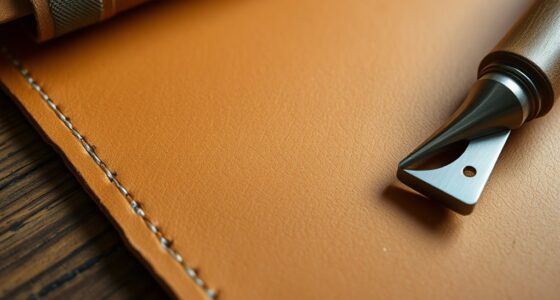
Binding types also matter. Traditional sewn or spiral-bound sketchbooks are portable and easy to work with, allowing you to flip pages effortlessly. However, some artists prefer hardcover books with glued or saddle-stitched pages for durability and a more professional feel. If you’re into digital art, the concept of paper binding shifts to the software or tablet you choose. Digital sketchbooks aren’t bound by physical pages but instead offer endless sheets that you can organize, erase, and tweak without waste. They give you the flexibility to experiment freely without worrying about running out of pages or damaging your work.
Ultimately, your choice depends on your style, preferred mediums, and how portable you want your sketchbook to be. Visiting art supply stores allows you to handle different papers and bindings firsthand, giving you a sense of what feels right. Meanwhile, digital sketchbooks offer convenience and endless possibilities for editing and sharing. Whichever route you pick, selecting the right paper and binding guarantees your sketchbook becomes a trusted companion for your artistic journey.
Popular right now

Vitamix Propel Series 510 Professional-Grade Blender, 3 Programs, Black

KitchenAid Artisan Series 5-Quart Tilt-Head Stand Mixer, Dried Rose (KSM150PS)

Roborock Robot Vacuum and Mop with LiDAR Navigation and 10,000 Pa Suction
As an affiliate, we earn on qualifying purchases.
Frequently Asked Questions
What Are the Best Sketchbook Brands for Beginners?
If you’re a beginner, you should consider brands like Moleskine, Strathmore, and Canson. You can find these at art supply stores or check online reviews for more insights. These brands offer quality paper that’s easy to work with and durable binding, making them perfect for learning. Picking a reputable brand helps you build confidence as you develop your skills without worrying about low-quality materials.
How Do I Choose the Right Paper Weight?
Imagine you’re sketching with ink, and thin paper causes bleed-through. To prevent this, choose a paper weight of at least 80 lb (around 120 gsm). Consider paper texture—smooth surfaces work well for ink, while rougher textures suit dry media. Test your preferred medium on different weights and textures to guarantee ink compatibility and durability. A sturdy, medium-weight paper balances flexibility and resilience for most sketching needs.
Are Spiral-Bound Sketchbooks More Durable Than Sewn Ones?
Spiral-bound sketchbooks typically aren’t as durable as sewn binding when it comes to long-term use. Spiral binding can get bent or snagged, making pages harder to turn smoothly. Sewn binding, on the other hand, offers better longevity because it holds pages securely and resists wear over time. If you want a sketchbook that lasts, sewn binding is the better choice for durability and lasting quality.
Can I Use Watercolor on All Types of Sketchbook Paper?
Can you use watercolor on all sketchbook papers? Think of your paper as a sponge—its absorption properties dictate watercolor techniques. Some papers handle wetness beautifully, allowing vibrant washes and detailed layering, while others may warp, bleed, or tear. For best results, choose watercolor paper designed for wet media. Using unsuitable paper can hinder your creativity—so pick wisely and match your techniques to your paper’s properties.
How Do I Protect My Sketches From Smudging or Damage?
To protect your sketches from smudging or damage, you should store them in protective sleeves or acid-free storage containers. Always handle your sketches with clean hands or gloves to avoid fingerprints. When displaying or transporting your work, use a fixative spray to prevent smudging. Keep your sketchbooks in a cool, dry place, and consider using archival materials to preserve your artwork over time.
Conclusion
Choosing the right paper and binding transforms your sketchbook into a trusted creative partner. Imagine yourself flipping through pages filled with your ideas, feeling proud of your work. Think of Sarah, who struggled with flimsy pages but switched to sturdy, mixed-media paper—her sketches became richer and more confident. Your sketchbook is your personal story; select materials that inspire you, so every stroke fuels your passion and keeps your creativity alive.